

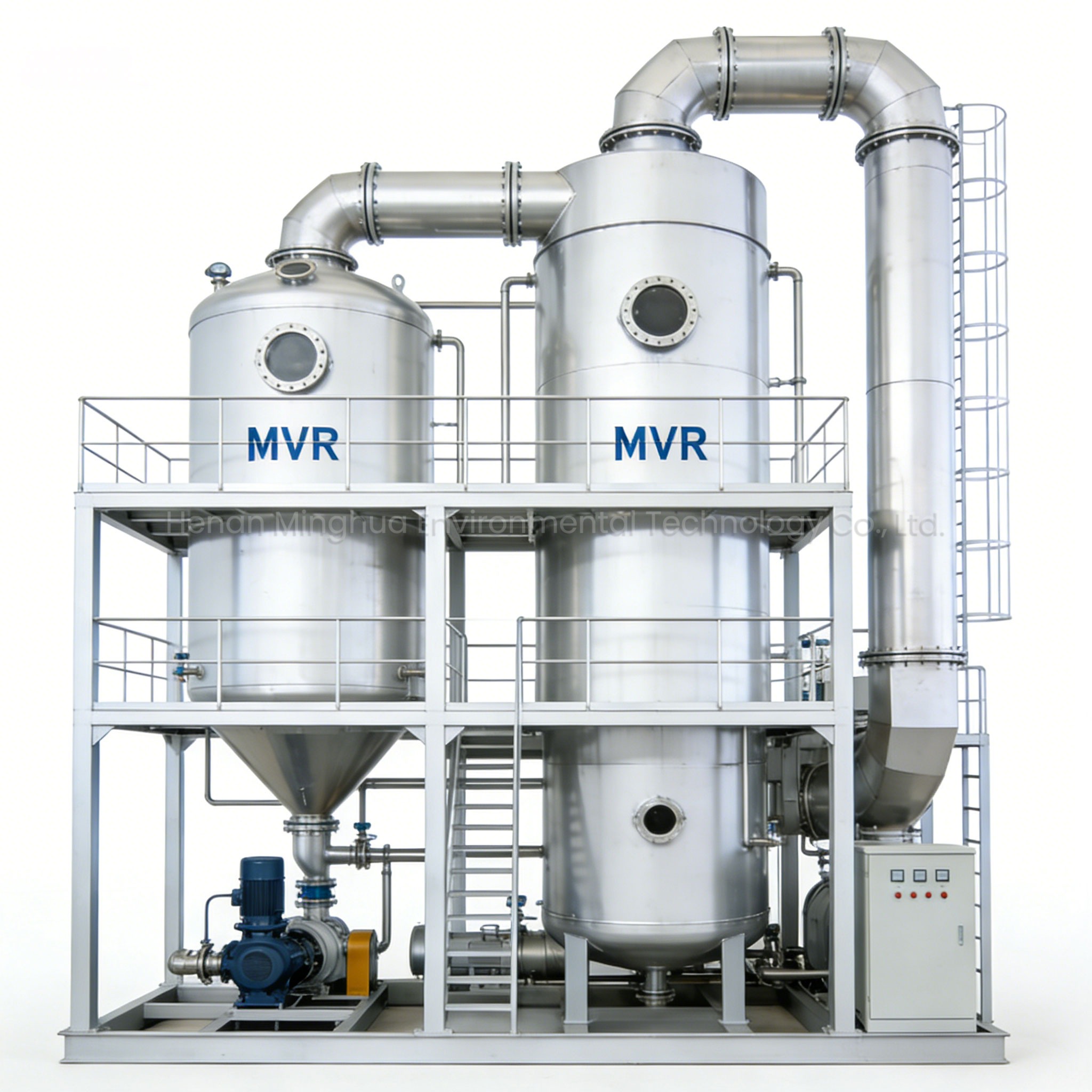
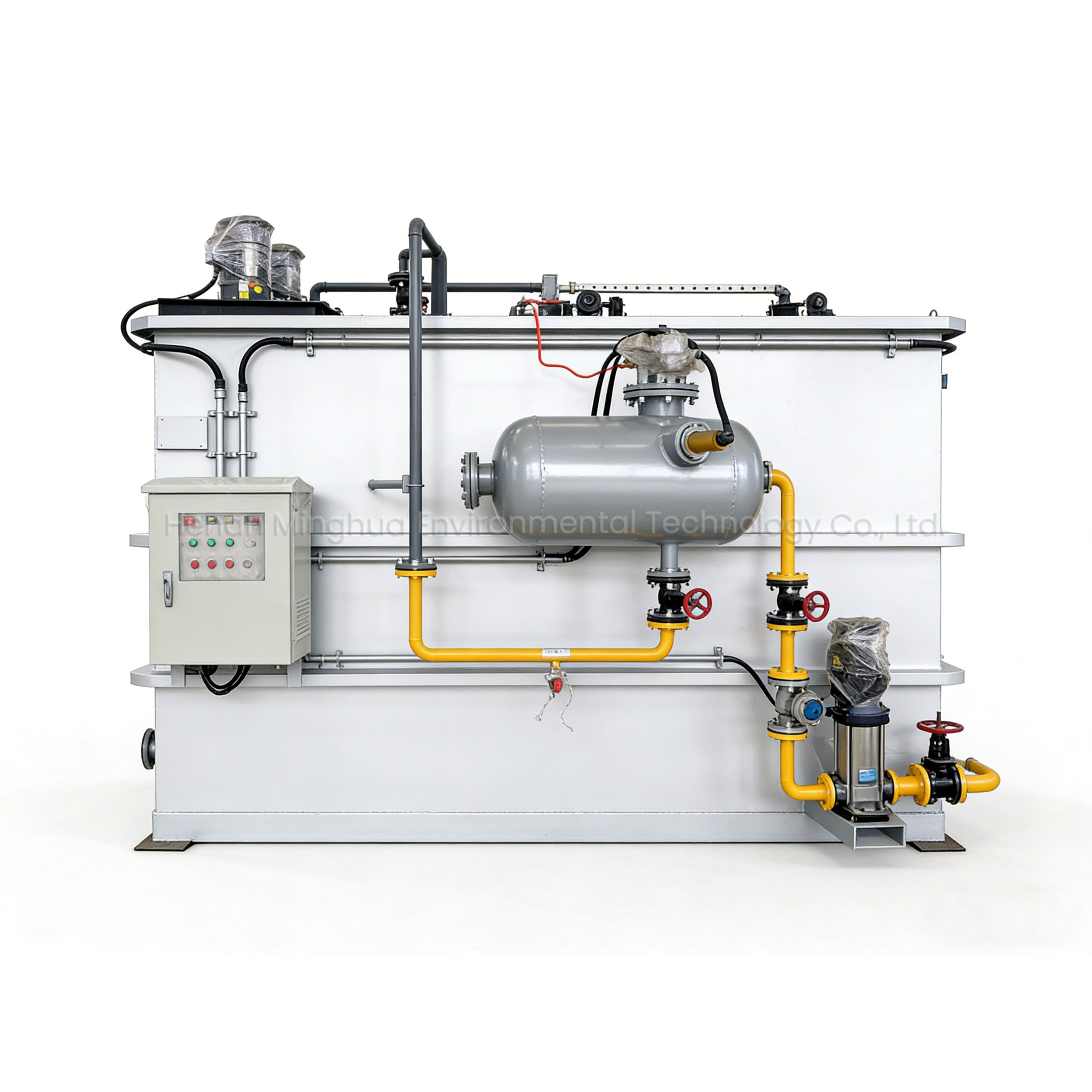
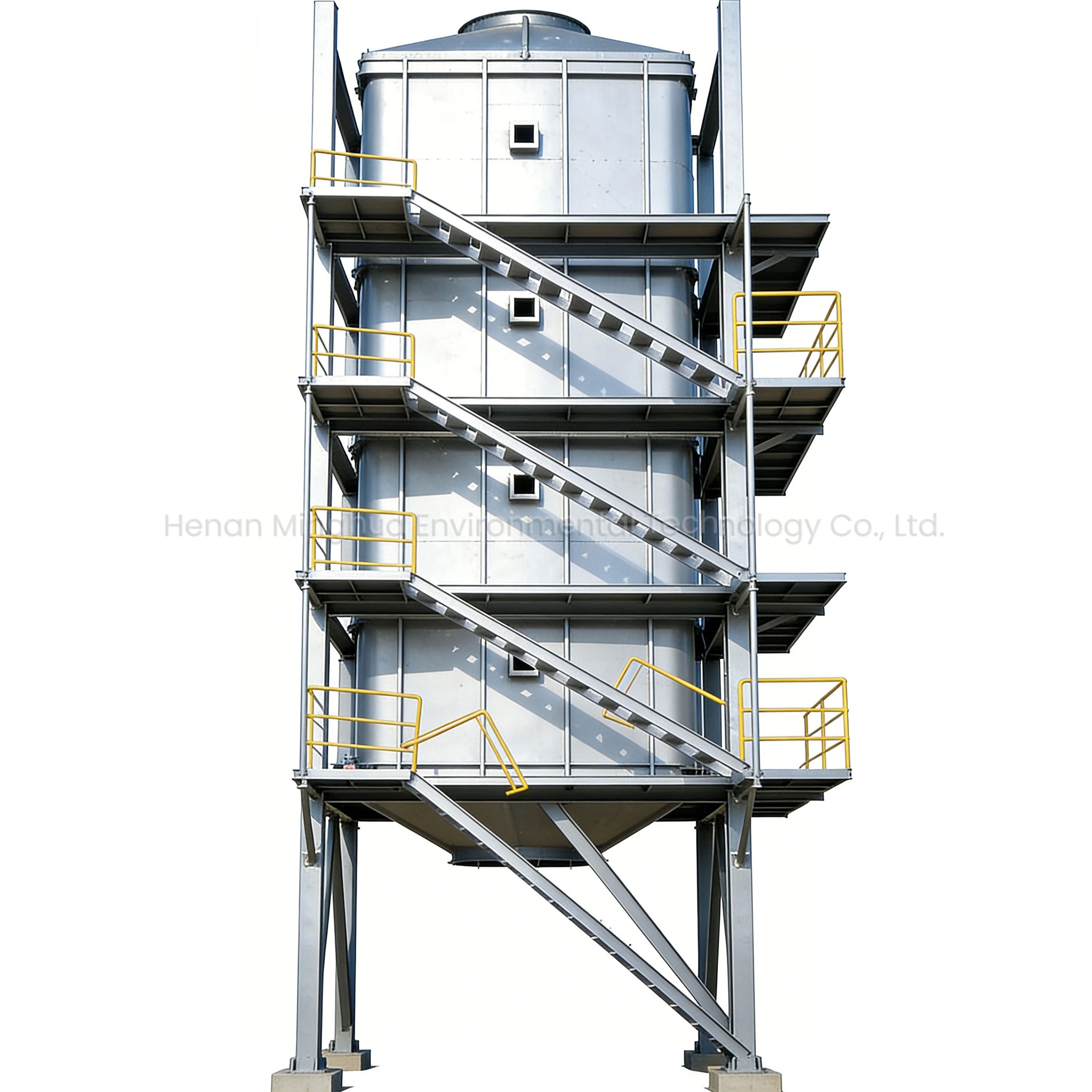
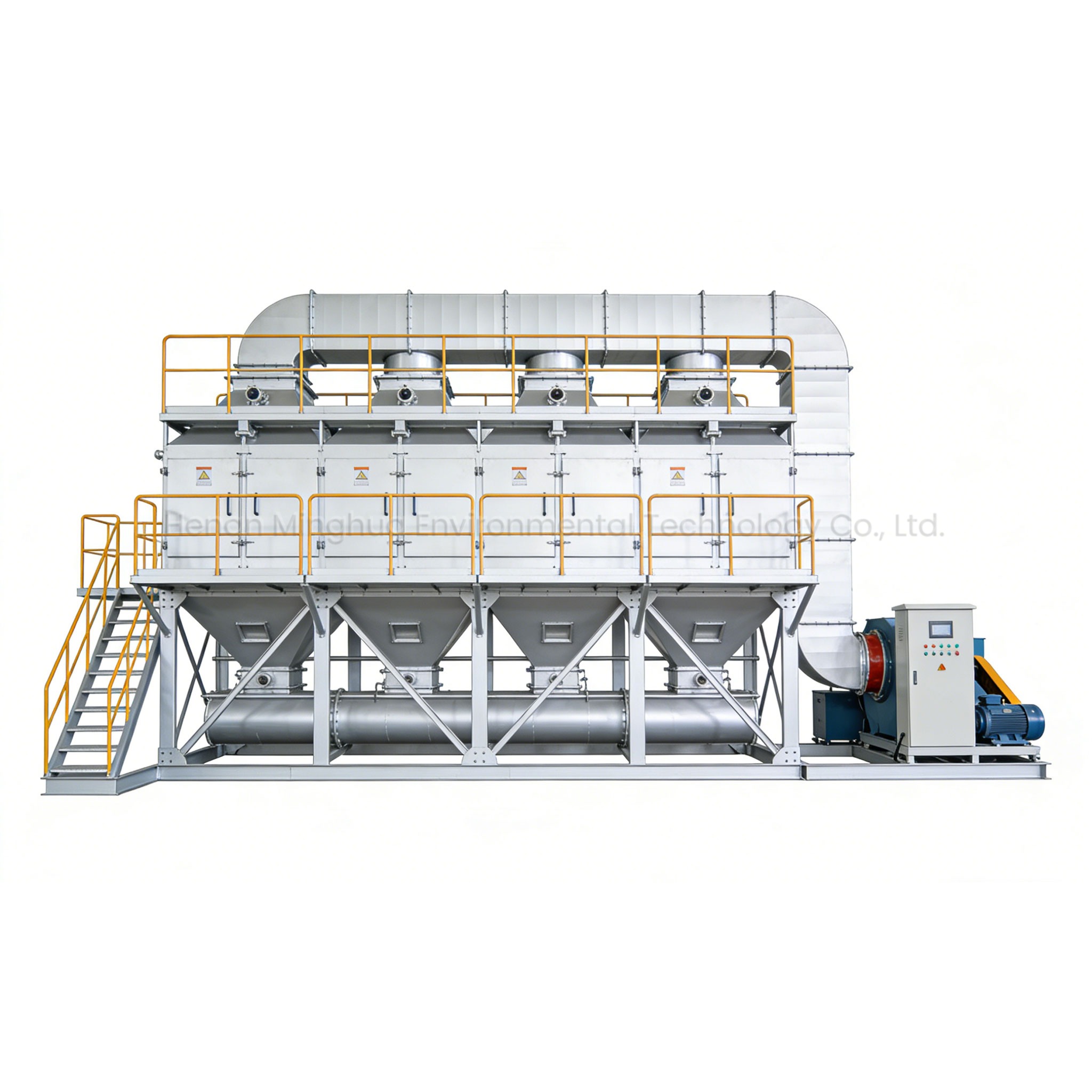
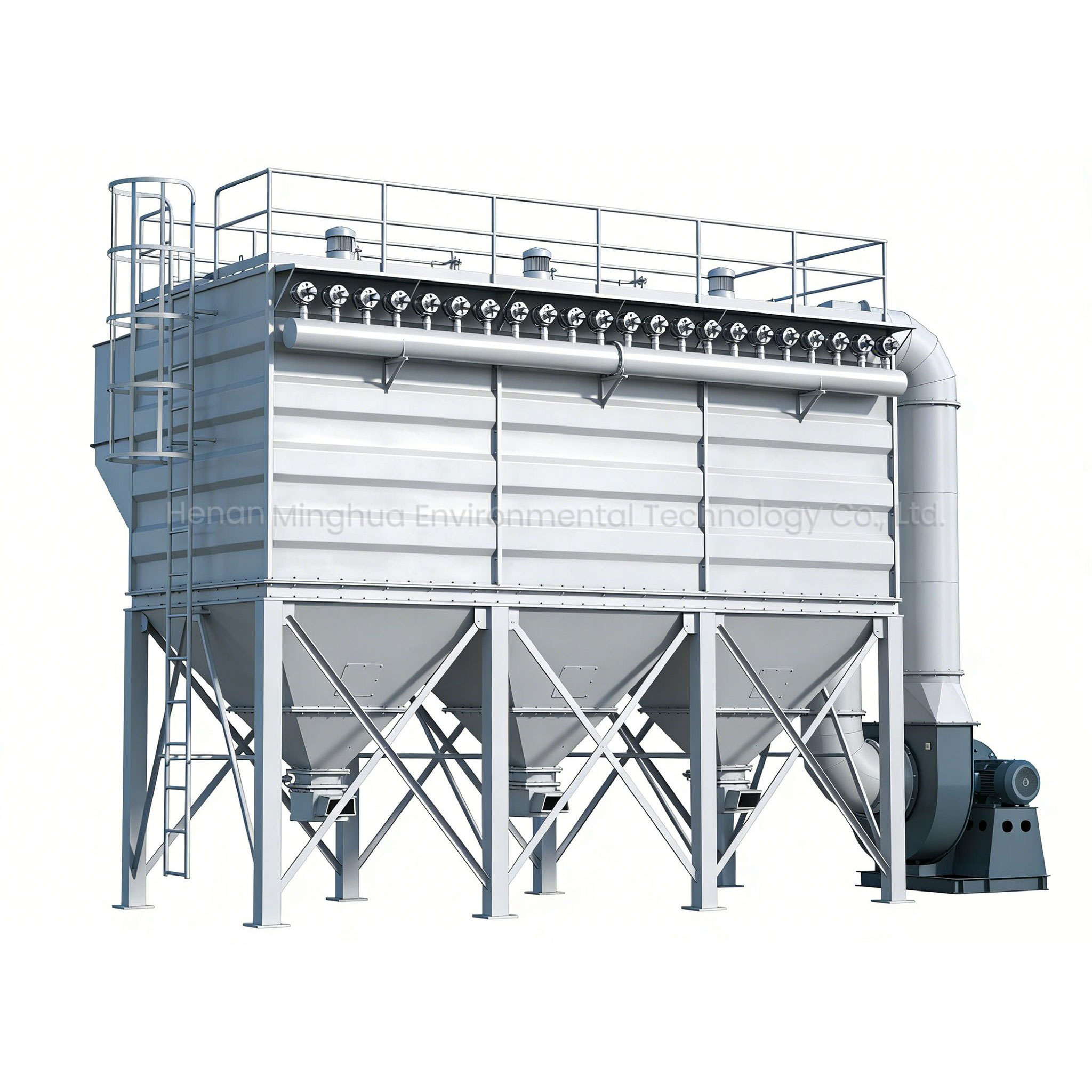
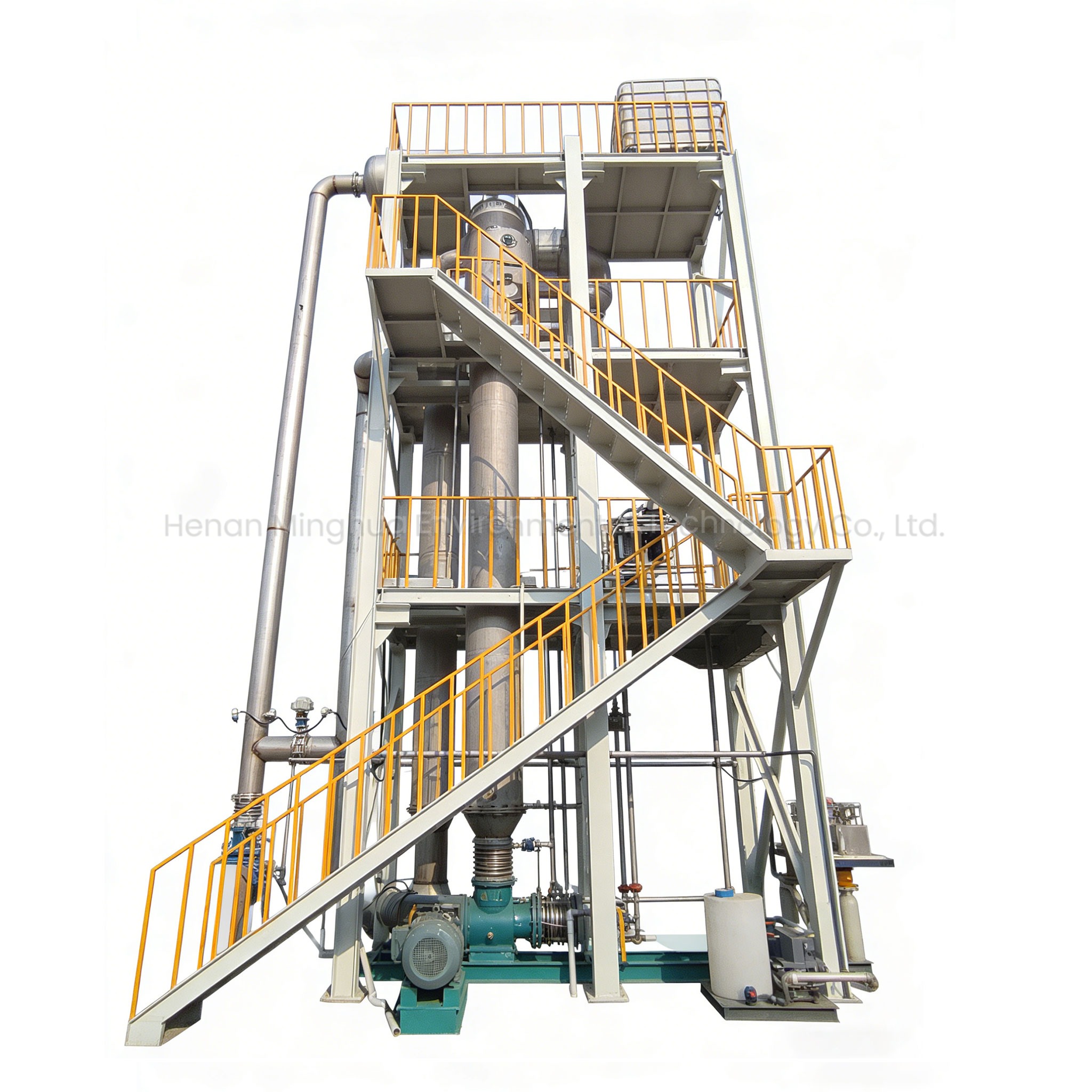
MVR Evaporator

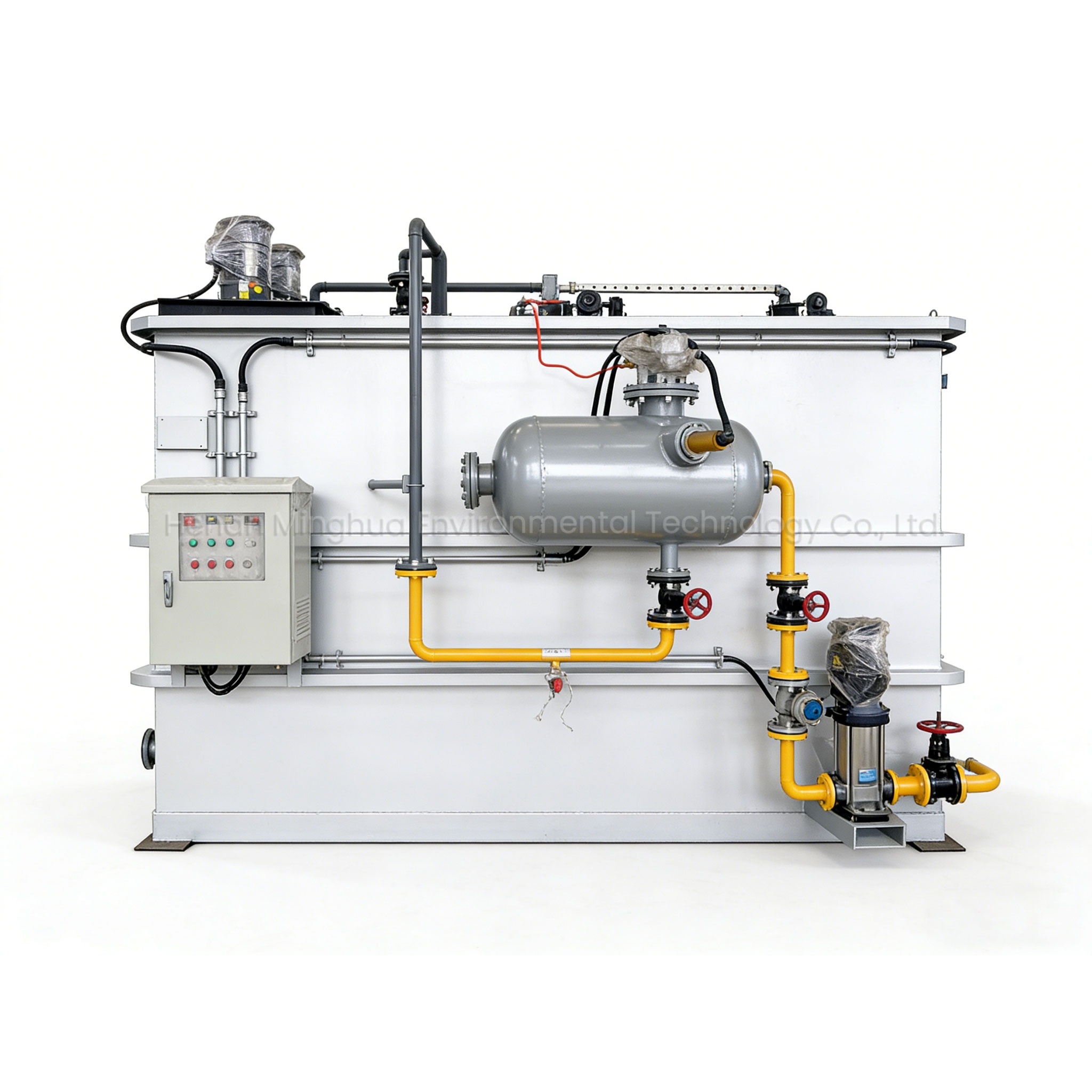
Description: MVR Evaporator, full name Mechanical Vapor Recompression Evaporator, centers on thermal energy recycling. Its greatest feature is that, unlike traditional evaporators that directly condense and discharge secondary steam, it uses mechanical compression to upgrade the thermal grade of this "waste steam," turning it back into a "heat source" to heat materials, achieving extremely high energy efficiency. The entire process is like a closed loop, minimizing energy loss.
Key Advantages: Compact Design, fully automated operation; energy consumption is only one-third of traditional evaporators.
Applications: High-salt wastewater concentration, low-temperature concentration of heat-sensitive materials, large-scale continuous evaporation, etc.
Efficiency: Processing Capacity: 1-20 m³/h
Inquire Now
  • Details
  • Functional Logic
  • Applications & Tailored Solutions
  • Customized Service
  • Core Advantages
ProjectContents
Model / SpecificationsMHMVR-X X = Processing volume m³/h
Treatment Capacity1-20m³/h
Material Options316L Stainless Steel
2205 Duplex Steel
Titanium
Overall DimensionsL: 6000-21000 mm
W: 4000-9000 mm
H: 12000-23000 mm
Core Treatment TechnologyContinuous Vapor Recompression
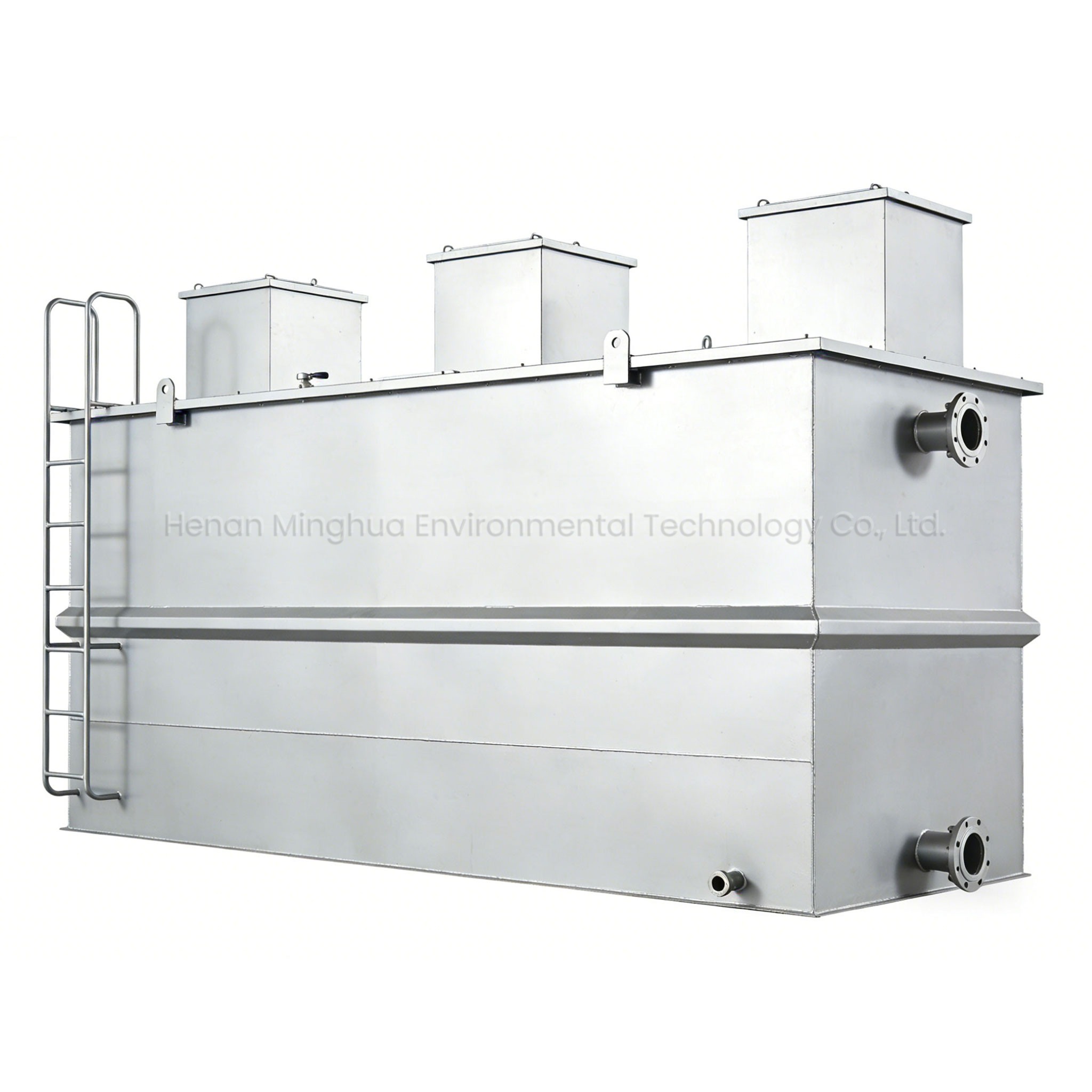
Core Components & ConfigurationsVapor compressor, Forced circulation pump, Heater, Separator, Condenser, Discharge circulation pump, Agitation tank, Centrifuge, Mother liquor tank
Operating Power120KW-1100KW
Installation MethodAbove-ground
Operation ModeFully Auto PLC, Manual, Remote Monitoring


Copy linkWeChatFacebookLinkedInWhatsAppPinterest
Project Contents
Functional Logic MVR Definition: Mechanical Vapor Recompression. · Energy-Saving: Uses a compressor to "re-pressurize and heat" the secondary vapor generated during evaporation, increasing its enthalpy. · Closed-Loop Heating: The heated vapor is redirected back into the system as a heat source, achieving "self-heating" with extreme energy efficiency. Process Flow · Material Input: high-salt wastewater, chemical waste liquid, electroplating wastewater, landfill leachate, etc. · Evaporation & Heat Exchange: Material is heated in the exchanger, and water evaporates into secondary vapor. · Vapor Compression (Core): Secondary vapor enters the MVR compressor, where pressure and temperature rise, transforming it into a high-quality heat source. · Cyclic Heat Utilization: High-temperature vapor returns to the exchanger shell to heat the liquid material. Vapor condenses into clean condensate water for recycling. · Concentration & Discharge: As water evaporates, the wastewater is discharged as concentrated liquid or solids.
Key Advantages Boiler-Free Operation,Minimal Steam Consumption
Cuts energy consumption to only 1/3 that of conventional Multi-Effect Evaporators (MEE)
Premium Effluent Quality,Recyclable condensate
Ideal for high-salinity, high-COD & recalcitrant wastewater
Fully automated control system & Compact Footprint


Project Contents
Environmental Protection & Water Treatment Zero Liquid Discharge (ZLD) of High-Salt Wastewater: Applied in coal chemical, power plant desulfurization, electroplating, printing and dyeing, landfill leachate, RO brine, concentrated crystal salts and effluent water reuse.
Hazardous Waste Reduction: Treats high-COD and high-salt organic waste liquids to significantly reduce hazardous waste volume.
Municipal / Industrial Wastewater: Advanced concentration and resource recovery of salts.
Chemicals & New Materials Inorganic Salt Evaporation and Crystallization: High-purity crystallization of sodium chloride, sodium sulfate, ammonium chloride, nitrates, etc.
Organic Solvent Recovery: Distillation recovery of DMF, ethanol, acetone, etc.
Fine Chemicals: Concentration and purification of fragrances, dyes, and intermediates.
New Energy & Metallurgy Lithium Battery Industry: Lithium salt concentration, lithium extraction from salt lakes, and recovery of Lithium/Cobalt/Nickel from battery wastewater.
Metallurgy / Electroplating: Heavy metal wastewater (Cu/Ni/Cr) treatment and salt recovery.
Pharmaceuticals & Bio-fermentation TCM / Western Medicine Concentration: Operates at low temperatures (40–80°C) to protect heat-sensitive components.
Fermentation Broth Treatment: Concentration of amino acids, antibiotics, and enzyme preparations; recovery of microbial protein.
Biopharmaceuticals: Low-temperature concentration of vaccines and protein-based materials.
Food & Beverages Concentration of Fruit/Vegetable Juices, Syrups, and Milk: Low-temperature evaporation to preserve flavor and nutrition.
Sugar and Salt Production: Continuous evaporation and crystallization to reduce energy consumption.
Other Industrial Scenarios Seawater Desalination : Low-cost production of fresh water.
Paper / Leather Industries: Concentration and resource recovery of black liquor and waste liquids.


Project Contents
Treatment Capacity Customizable equipment sizes tailored to specific processing volume
Material Options Customizable housing and internal tubes available in SS304/SS316L/2205 (Duplex Stainless Steel)/Titanium
Remote Monitoring Optional remote monitoring system integration


Project Contents
Cost Advantage · High Efficiency: Low energy consumption achieved through advanced system integration · Low total cost of ownership driven by minimal OPEX
Operation Fully automated PLC control with unmanned operation
Customizable HMI touchscreen for intuitive and user-friendly operation
Maintenance · Modular core components for easy disassembly, coupled with simplified backwash procedures
· Extended service cycles significantly reduce manual maintenance and operational costs
Materials & Durability Premium Materials: Rust & corrosion-resistant for extended durability
Adaptability · Versatile Adaptability: Handles diverse influent water qualities


+86-13903738003