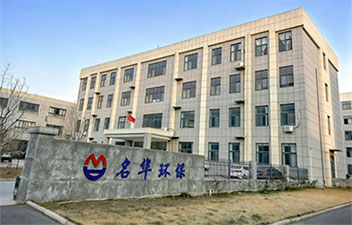


In 2004, the Founder Shizhan Dong established Xinke Environmental, focusing on industrial weastewater treatment/air pollution control systems, initiated the team of development and production. He pursues the of authentity and stay on earth, rooted in Henan region. He also focus on dealing with.
About Minghua
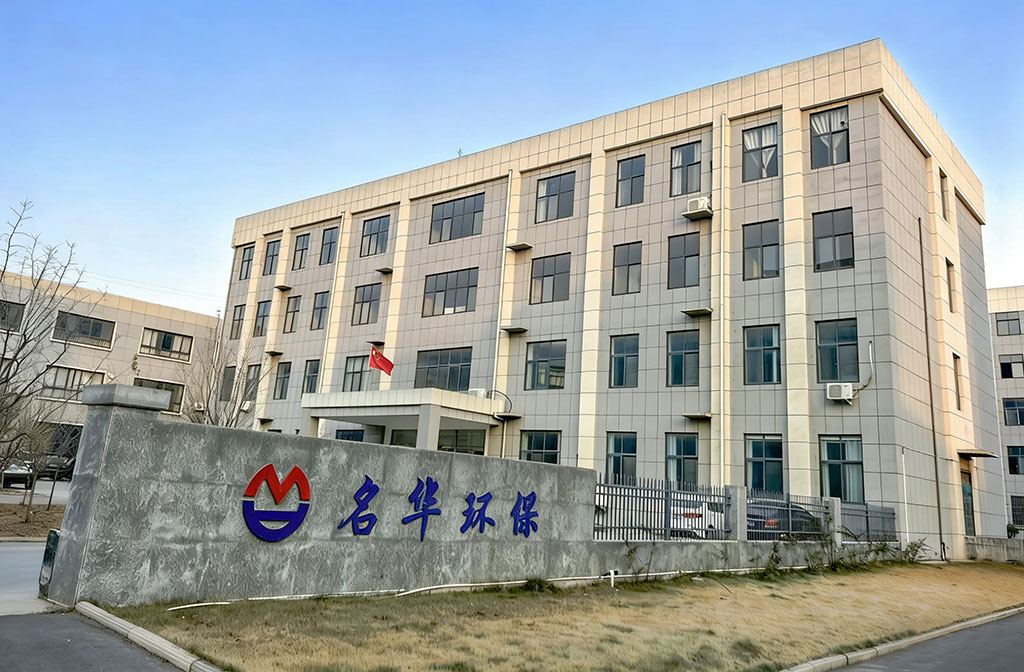
Minghua: Empowering Business Growth with Green Assets
At Minghua, we are dedicated to engineering high-efficiency, low-power, and fully monitored environmental equipment. Our mission is simple: to transform the "Hardcore Technology" of Henan manufacturing into a globally accessible engine for green growth. With a perfect fusion of meticulous manufacturing and expert consultancy—we are here to help your enterprise achieve seamless compliance and revitalize your business with green energy.
Two Decades of Expertise: Let the Data Speak
Since our inception in 2004, we've delved deep into the technical frontiers of wastewater and air quality control treatment. Our sole purpose is to optimize and cut your operational cost through constant iteration of the technology. We don't believe in shortcuts; at Minghua, we kow that environmental engineering isn't just for show-whether it meets standards or stands the test of time, your real-world data will tell. For twenty years, we've honored every promise, have been delivering 1,000+high-performance systems that integrate seamlessly into production lines.
Front-line Experts: Mastering Tech, Understanding Industry
Our vibrant and professional team values genuine connections with every partner. From the initial concept design to final commissioning, Minghua’s technical experts are always on the front lines. For 20 years, we’ve served sectors from chemical and electroplating to medical and textile dyeing, excel in pinpointing the unique pain points of specific industries, and dedicated to helping partners navigate green development with peace of mind.
Integrity in Delivery: Restoring Clarity to the World
The name "Minghua" means to make China’s excellence known worldwide. In our twenty-year journey, our core philosophy has never wavered: to restore clarity to the world through honest delivery and technical depth and cost-effective. We believe that beyond solve emission problems, great enterprise also creates long-term value through the power of integrity. We never take the easy way out, because we know that excellence has no detour. We hope to inspire and spread this positive energy to partners across the globe!
Join Minghua Now in guarding our blue planet through the tides of time.
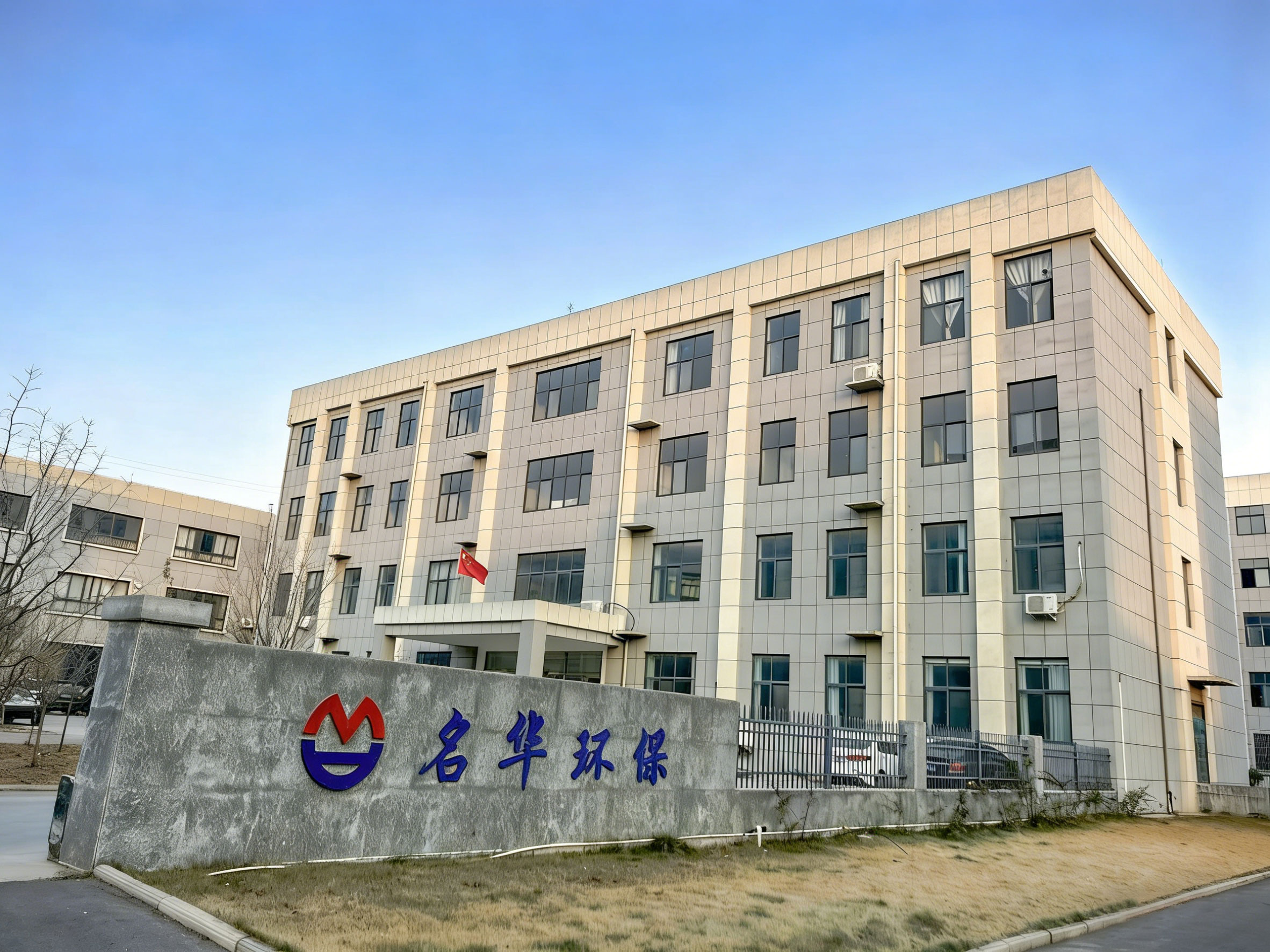
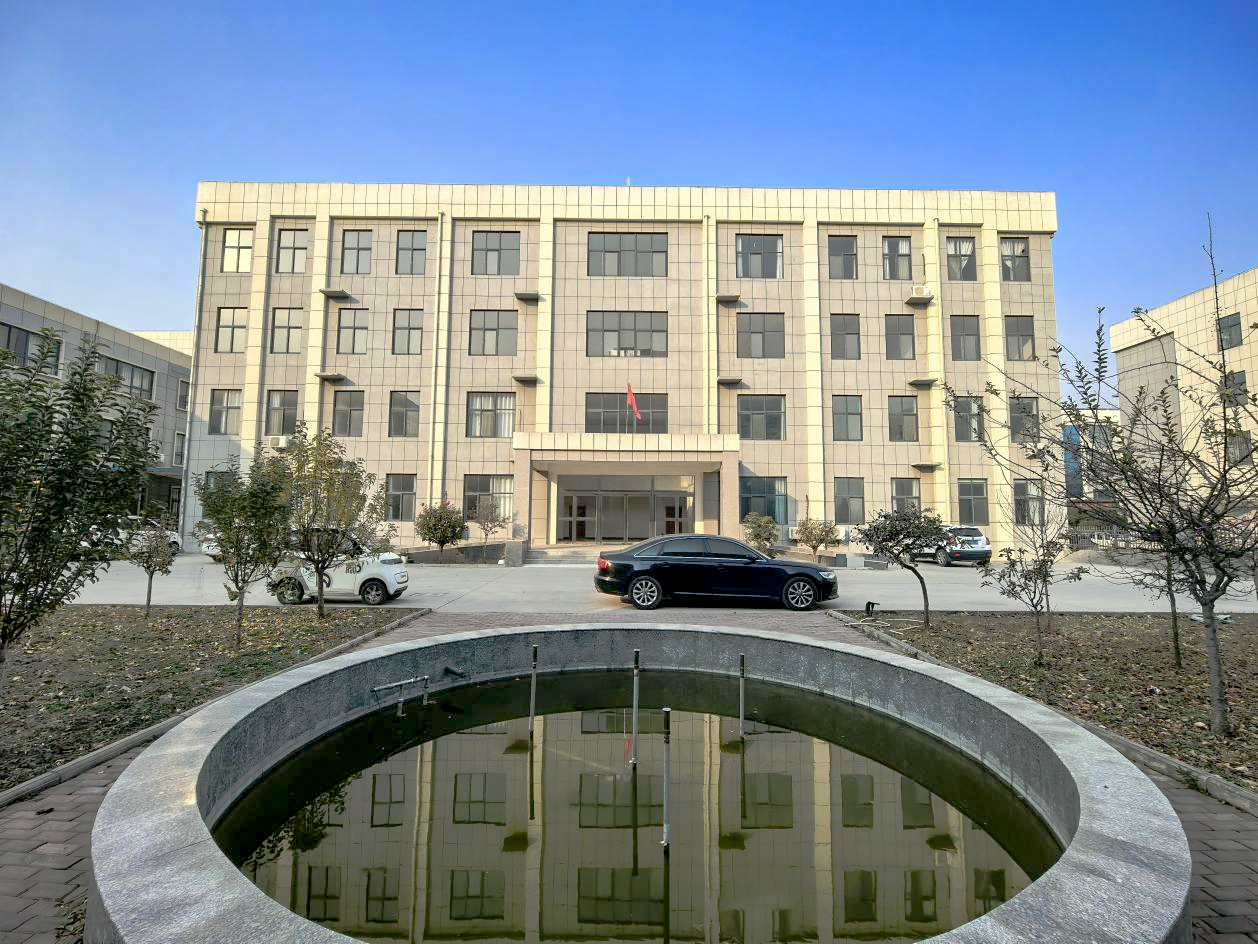
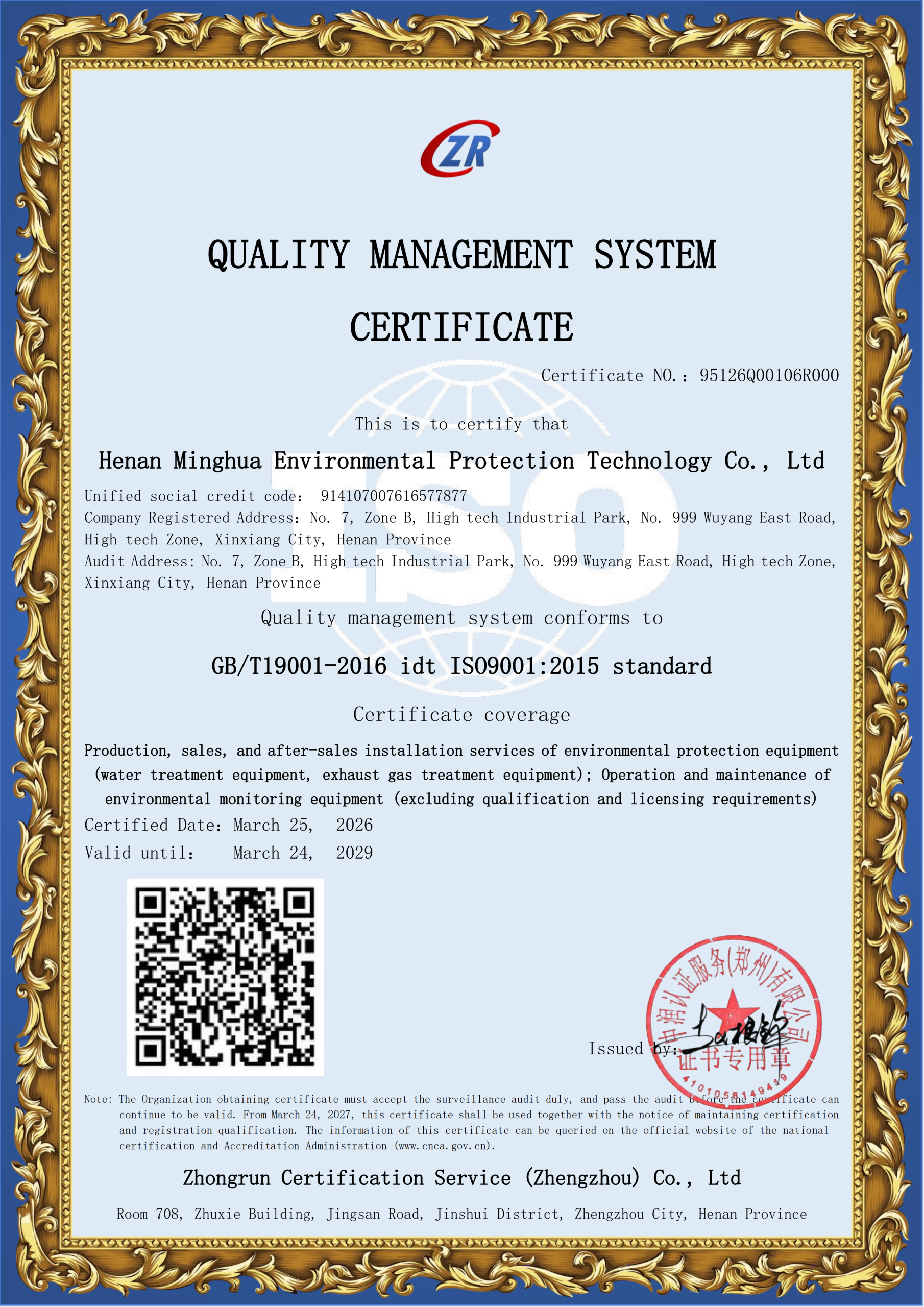
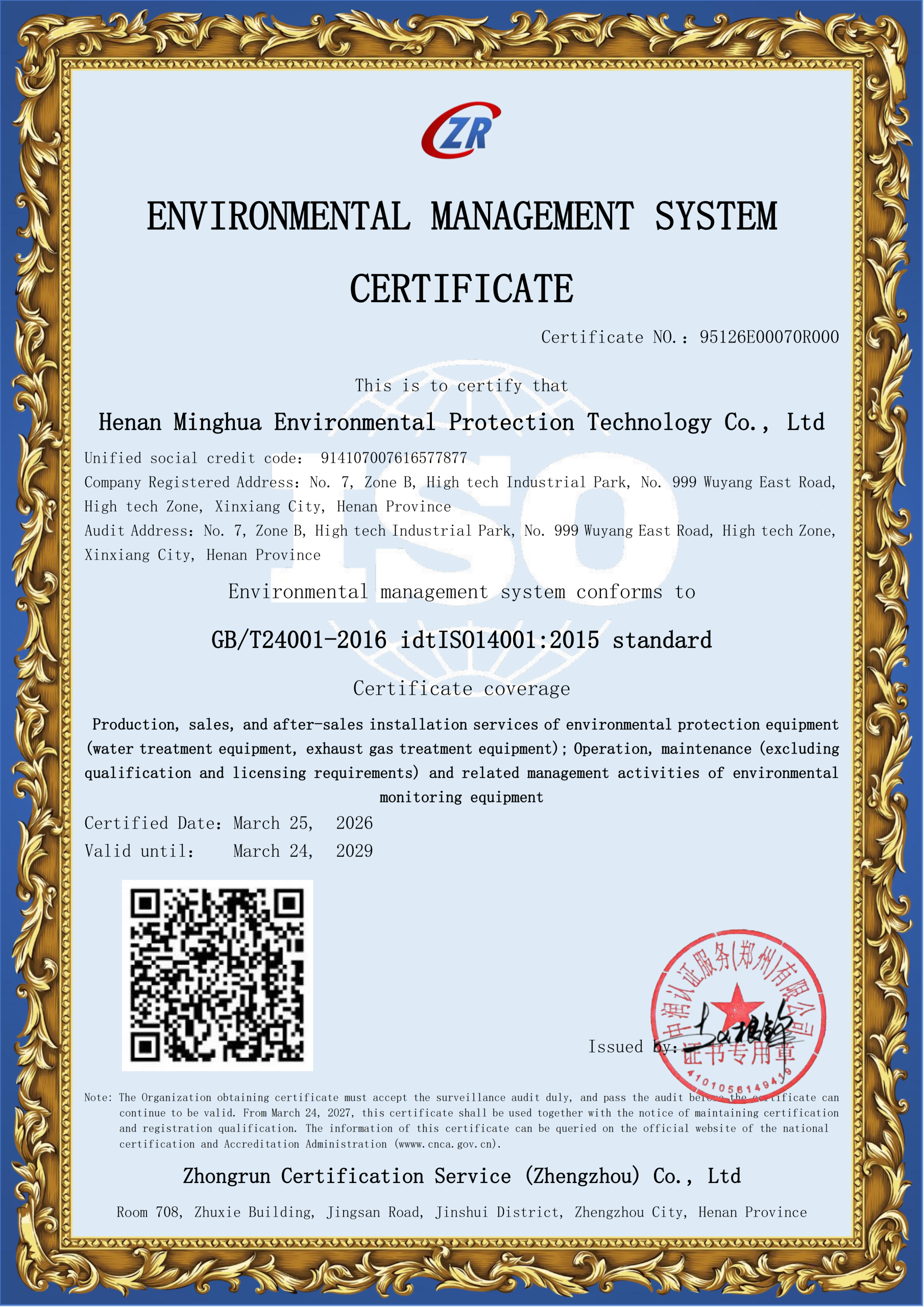
2004: The Genesis Our Green Journey Begins
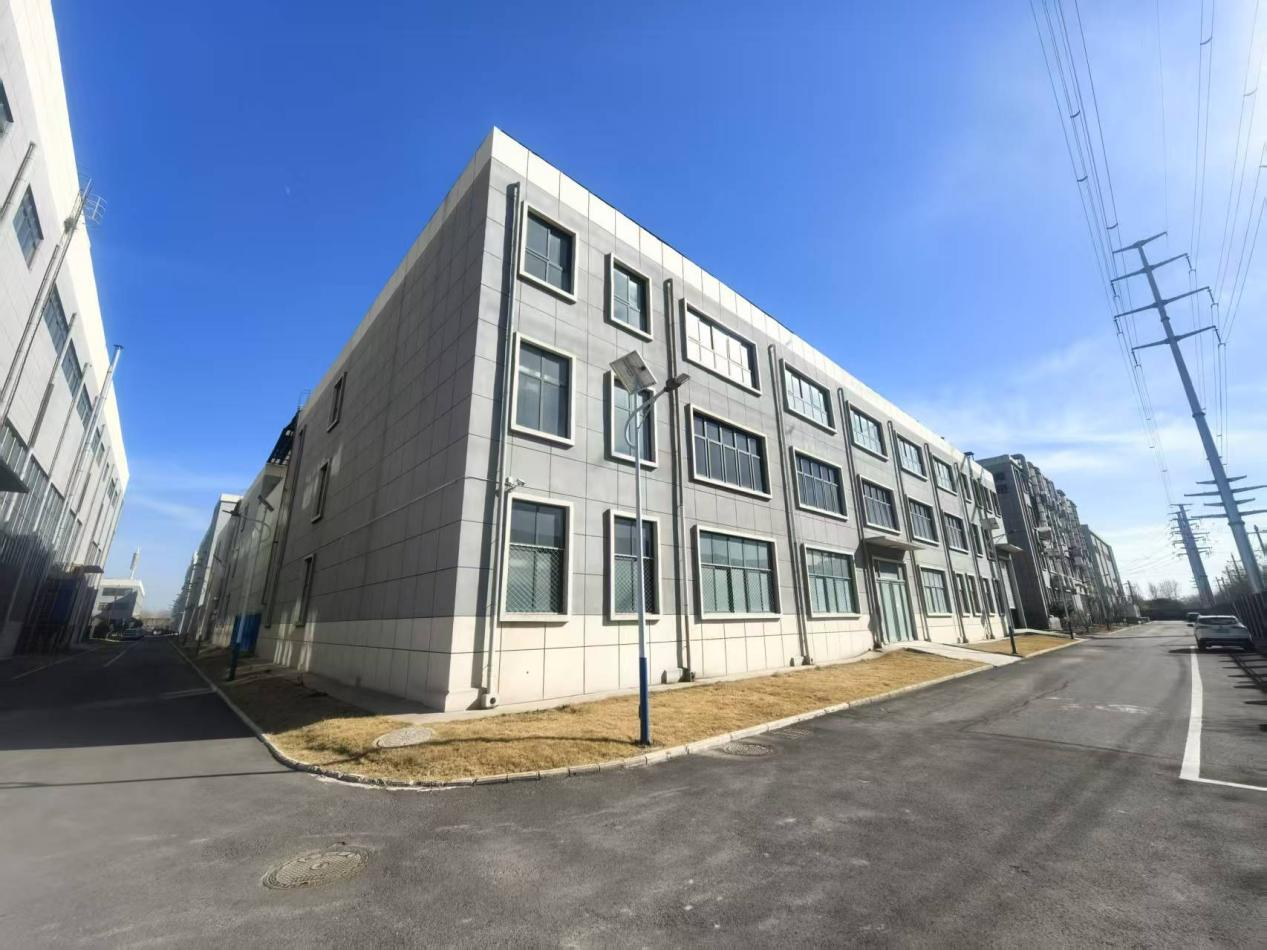
2015: Elevate & Expand Pushing the Boundaries
In 2015, marking a milestone breakthrough, the company was renamed Henan Xinke Environmental Equipment Co., Ltd. Operations expanded to include environmental equipment manufacturing, O&M for online monitoring systems, engineering supervision, and technical consulting. We also built standardized workshops and upgraded our end-to-end quality control to ensure standardized production. Increasing R&D and optimizing processes, we consolidated a decade of expertise in integrated wastewater solutions for the chemical, printing/dyeing, and electroplating sectors. This drove our transition to a comprehensive "Equipment + Installation + Commissioning + O&M" service model. Partnering with mid-to-large enterprises, we expanded into provinces like Sichuan, Inner Mongolia, and Shanxi, successfully leaping from a regional manufacturer to a national supplier.
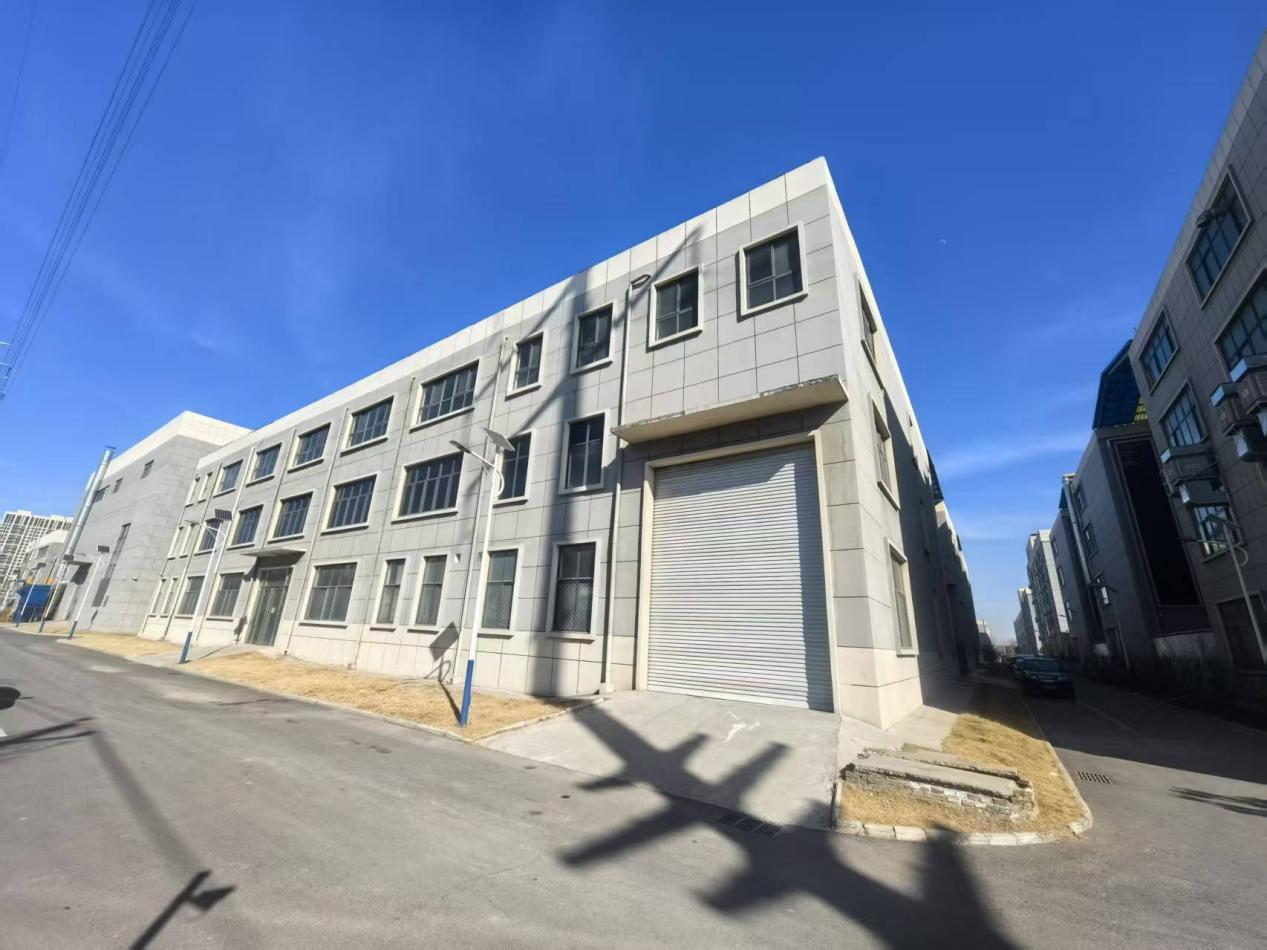
2024: Deepening Roots & Leading the Way Empowering a green, sustainable future
In 2024, officially renamed Henan Minghua Environmental Technology Co., Ltd., we evolved into a premier one-stop provider integrating pollution control, engineering, consulting, and equipment manufacturing. Focused on high-end intelligent manufacturing, we deliver customized, end-to-end turnkey services-from site surveying, design, and manufacturing to installation, commissioning, compliance assurance, and O&M. By optimizing our supply chain with premium components, we guarantee exceptional operational stability across the papermaking, leather tanning, printing/dyeing, electroplating, metallurgy, refractories, and healthcare sectors.
Guided by our "Technology-led, Innovation-driven, Energy-efficient, and Environment-first" philosophy, we continuously innovate smart, energy-saving equipment. We are dedicated to empowering enterprises with green compliance and building a sustainable future with cleaner air, greener landscapes, and purer water.

 Henan Public Network Security Registration No. 41077102000244