

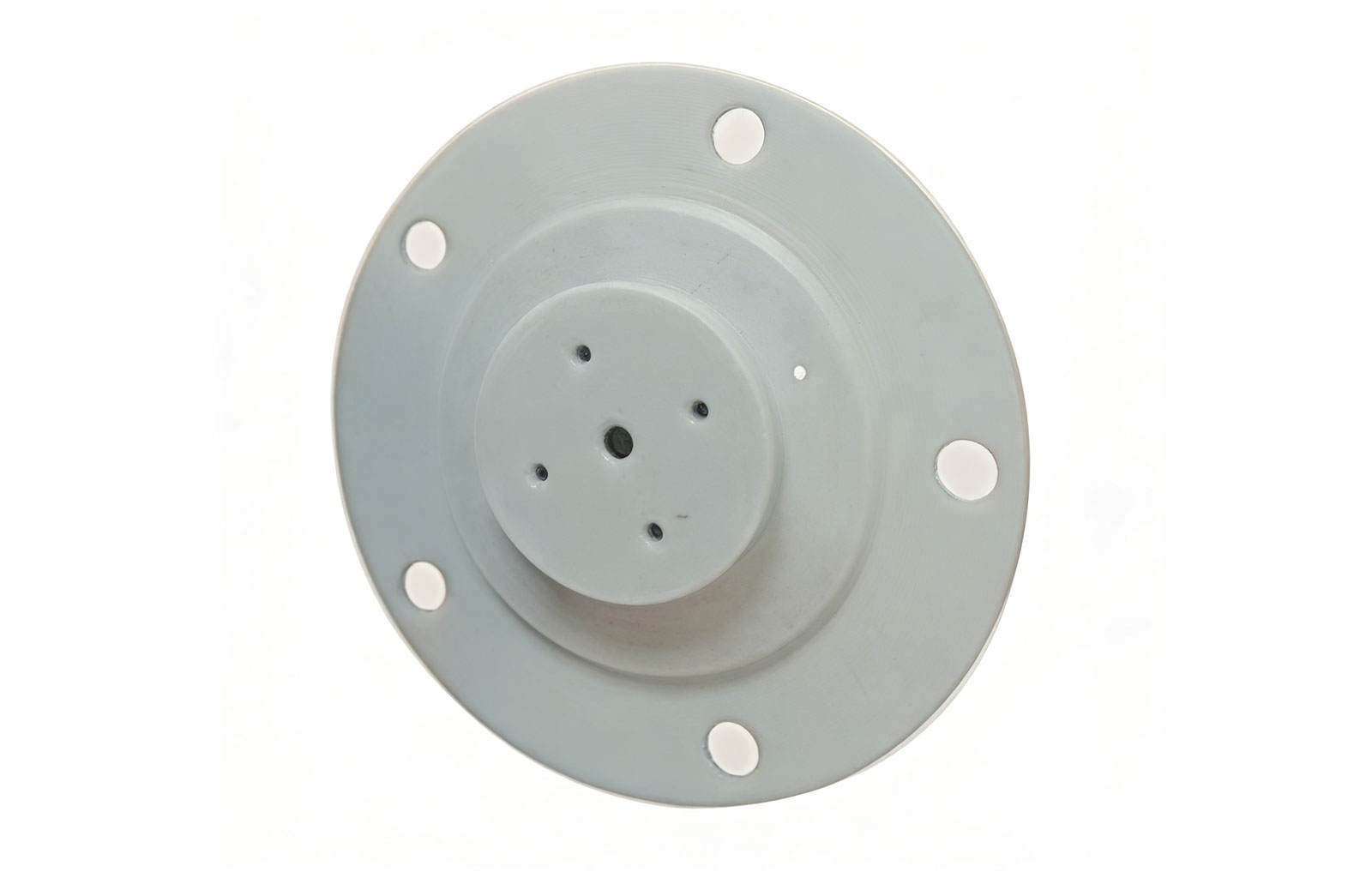
| Operating Pressure | 0.1~0.86 MPa(Recommended value0.2~0.4 MPa) | |||
| Working Media | Clean and dry compressed air | |||
| Voltage | DC24 V | AC36 V | AC110 V | AC220 V |
| Power Consumption | 22 W | 20 W | 20 W | 20 W |
| Permissible Voltage Tolerance | ±10% | |||
| Ambient Temperature | -40 ℃ ~ 55 ℃ | |||
| Diaphragm Operating Temperature | -40 ℃ ~ 85 ℃ | |||
| Relative Humidity | ≤85% | |||
| IP Rating | IP65 | |||

FAQ
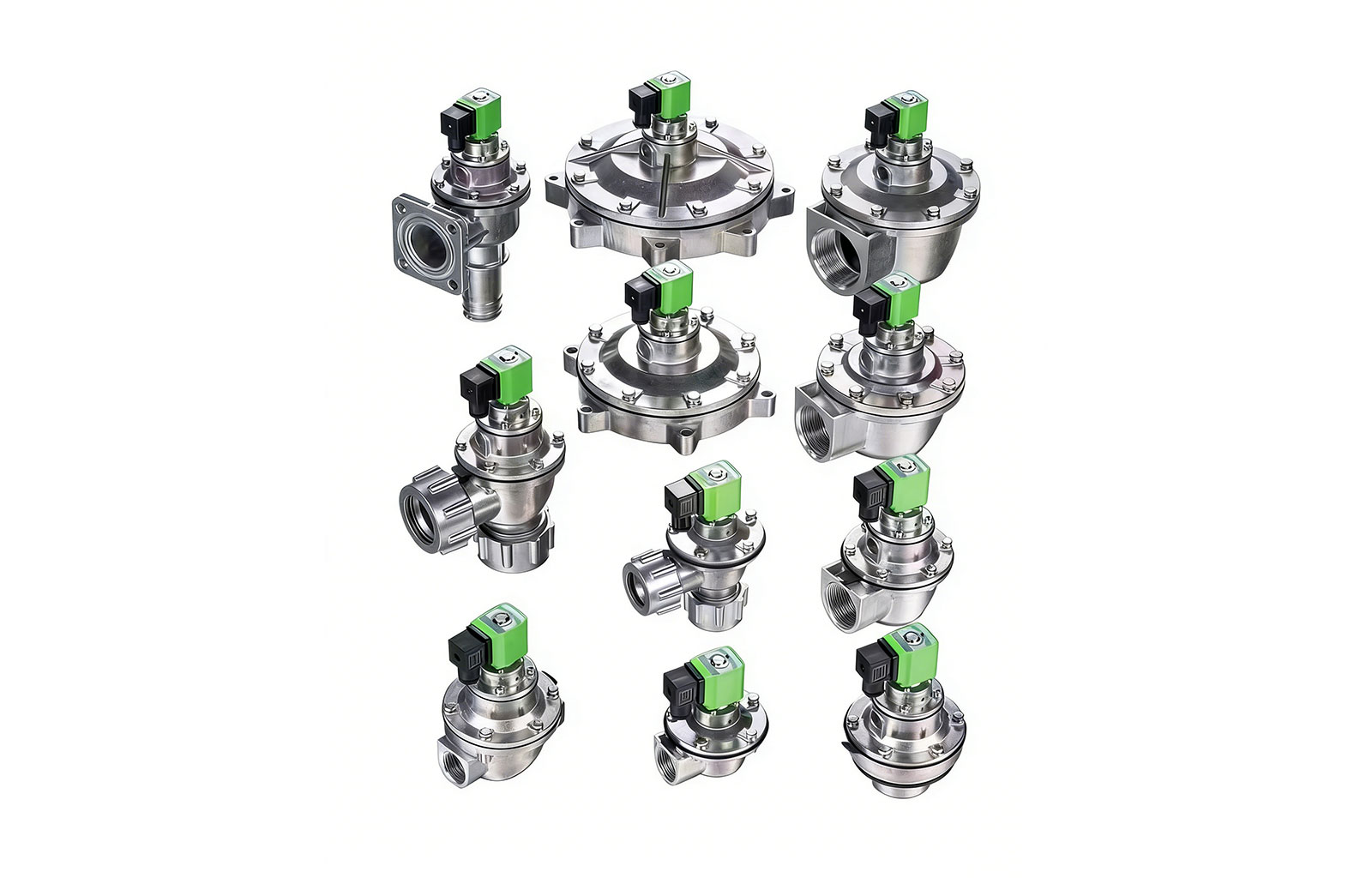
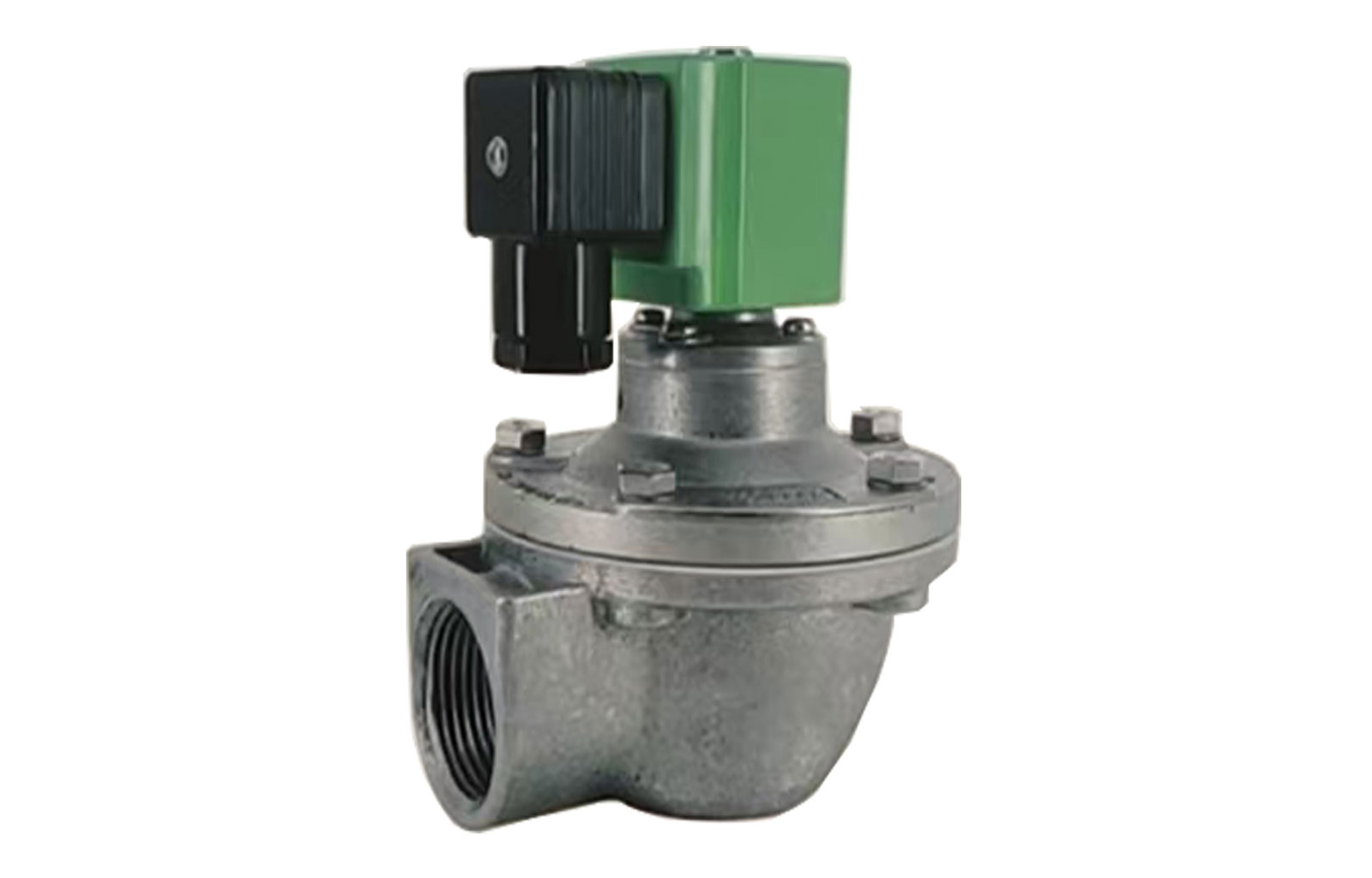
Q1: What is the difference between right-angle and submerged pulse valves?
Right-angle pulse valves connect externally via pipe threads or couplings, making them easy to install and maintain for standard baghouses. Submerged pulse valves mount directly inside the air manifold, minimizing airflow resistance and delivering higher peak pressure for large, high-volume dust collection systems.
Q2: What causes weak pulse intensity or incomplete filter bag cleaning?
Weak pulsing typically stems from low compressed air supply pressure, aged/stiff diaphragms, improper pulse width/interval settings, or blocked pilot channels. Quick fix: Adjust header tank pressure (0.4–0.6 MPa), optimize PLC pulse timing, and replace worn diaphragms to restore full cleaning energy.
Q3: How to fix a constantly leaking or unclosed pulse jet valve?
Constant air leaking or failure to close is usually caused by a torn diaphragm, debris trapped under the valve seat, or a damaged pilot solenoid armature. Quick fix: Disassemble the valve body to clear particulate buildup, check the solenoid exhaust port, and replace the complete diaphragm and seal kit.


Henan Public Network Security Registration No. 41077102000244