


河南名华环保科技有限公司 LOGO

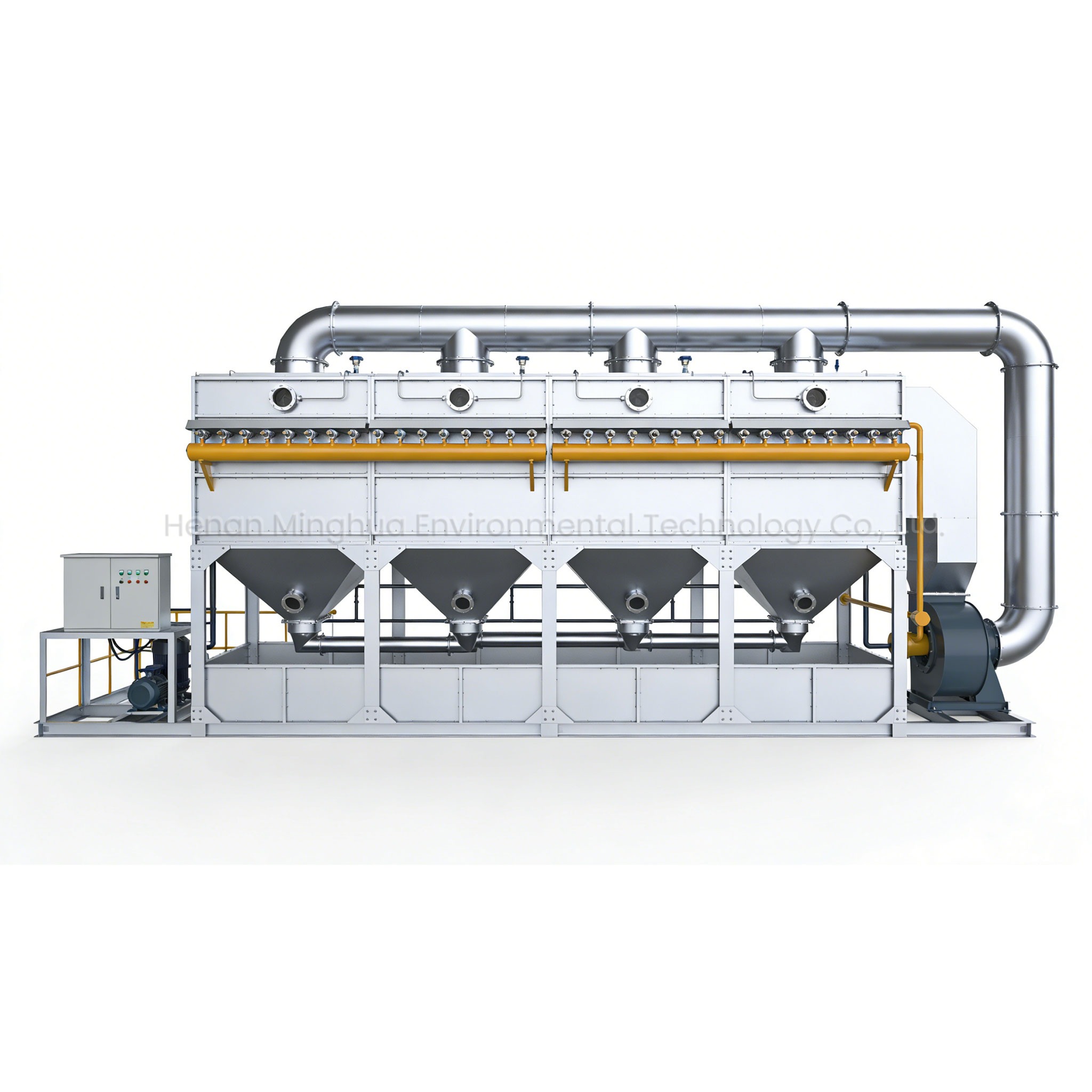
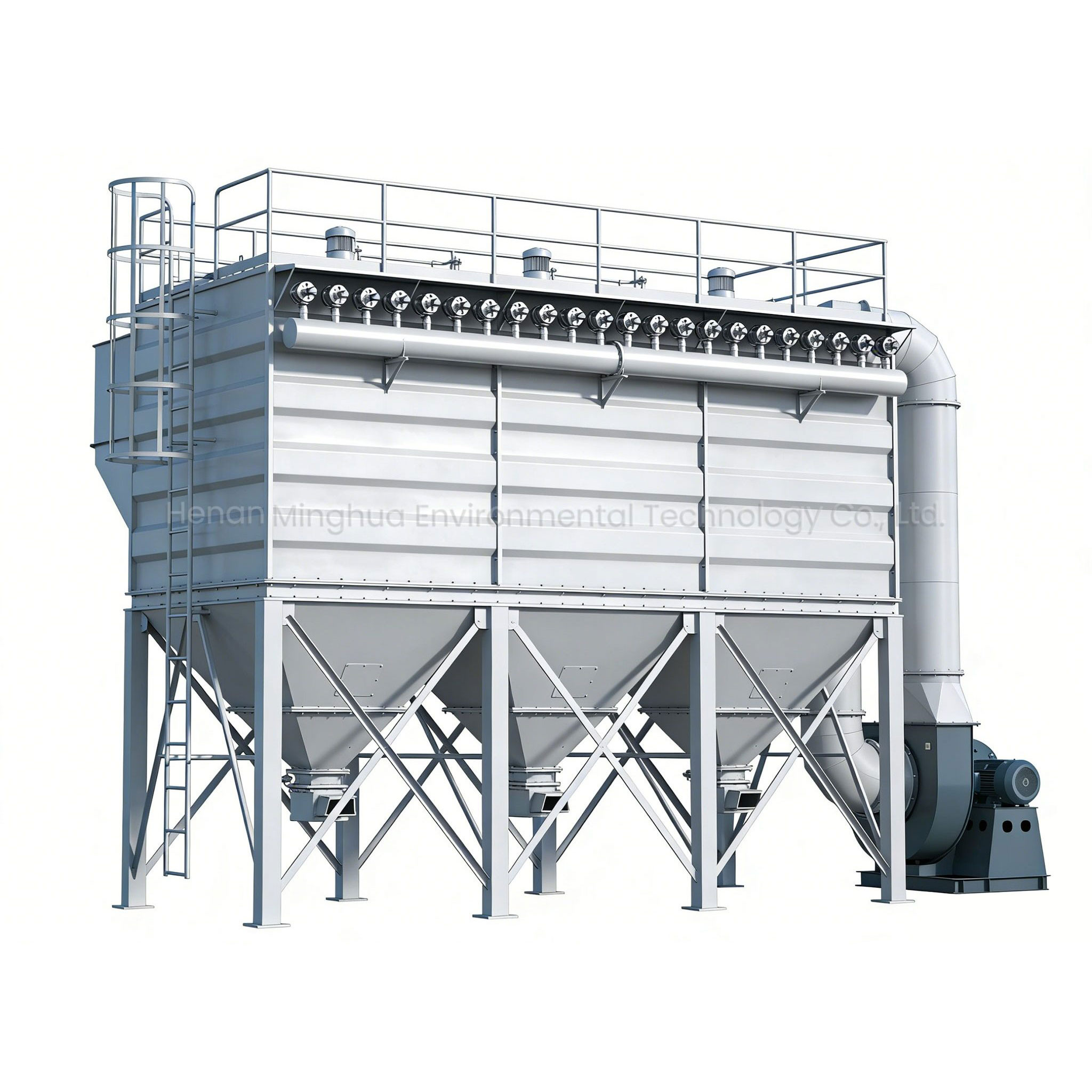
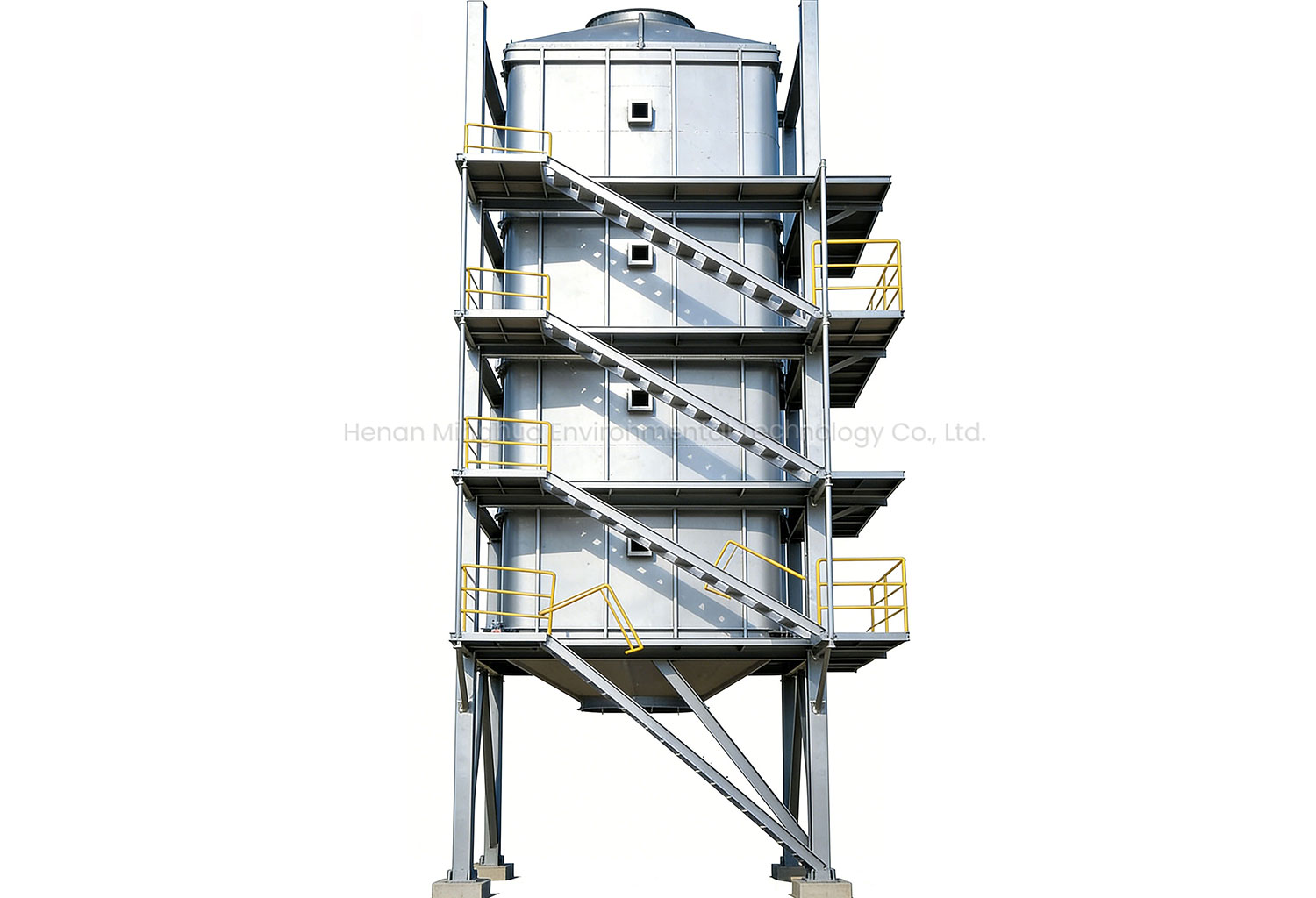
SCR Denitrification System

Treatment Target: Nitrogen Oxides (NOx).
Applications: Coal/Gas/Biomass boilers, Coking/Sintering/Metallurgical kilns, Power generation.
Efficiency: Denitrification: 85% - 95%.
Key Advantages: Reliable, low energy, fully automated.
Inquire Now
  • Products Details
  • Functional Logic
  • Customized Service
  • Core Advantages
ParametersContents
Model / SpecificationsMHSCR-X(Where X denotes Airflow Capacity in m³/h)
Airflow Capacity10000-100000 m³/h
Inlet ConcentrationNOx≤1000 mg/m³
EfficiencyDenitrification Efficiency:85%–95%
Applicable Exhaust Gas TypesFlue Gas
Main MaterialAnti-corrosive Carbon Steel
Control SystemPLC Auto / Manual
Reaction Temperature200–420 ℃
Reducing AgentUrea Solution
Ammonia Water
CatalystHoneycomb Catalyst
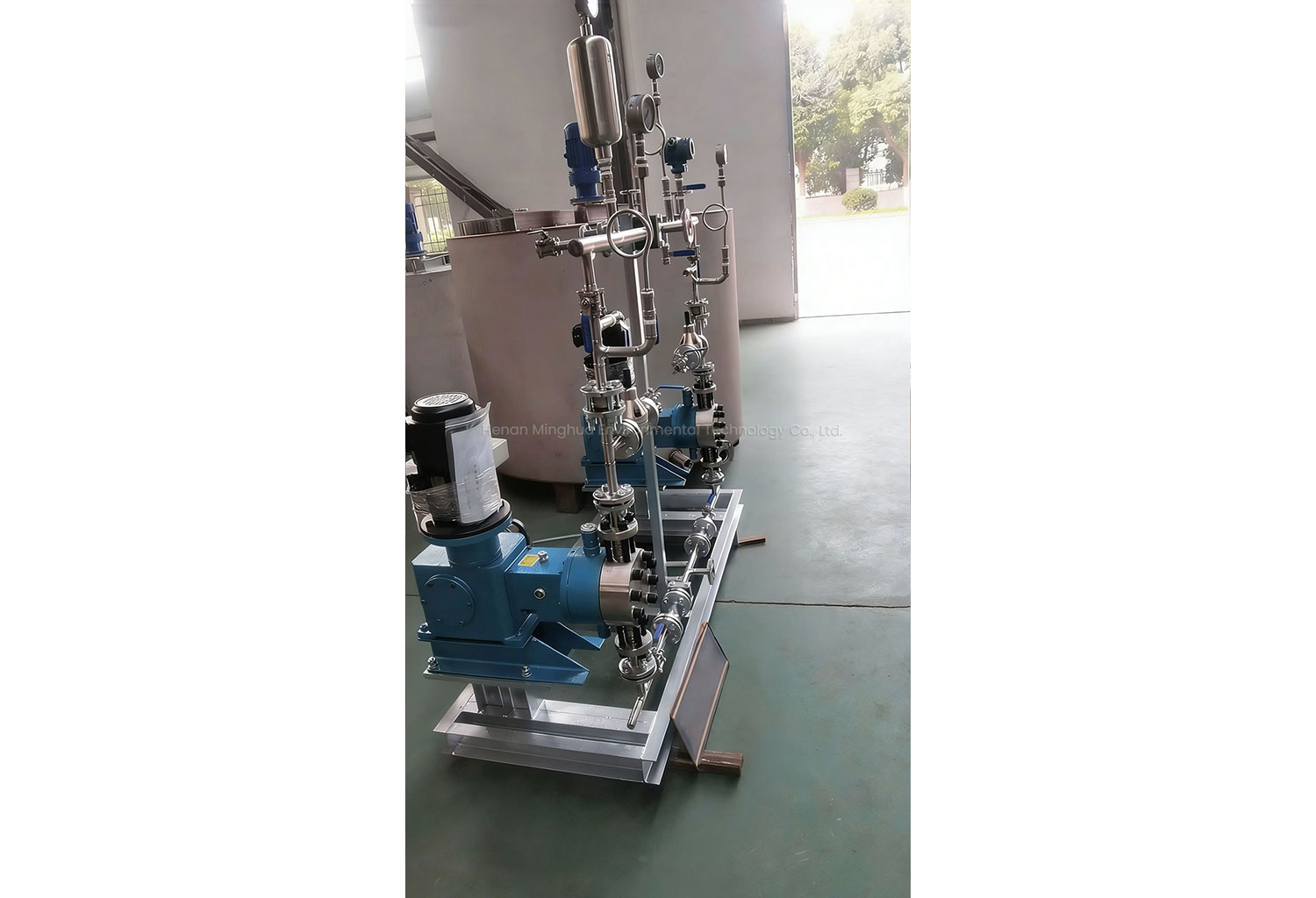
System ComponentsInjection Gun / Spray Lance,Evaporator,Mixing System,Soot Blowing System

FAQ

Q1: Why is outlet NOx exceeding emission limits in the SCR system?

High NOx levels typically result from catalyst deactivation, insufficient or uneven ammonia injection, flue gas temperatures outside the active window, or poor flow distribution. Quick fix: Calibrate ammonia injection grid (AIG) dosing, maintain flue gas temperature within the catalyst design range, and inspect catalyst layers for ash blinding or poisoning.

Q2: What is the typical service life of SCR catalyst modules?

Under normal operating conditions, SCR catalysts provide a reliable lifespan of 3 to 5 years. Routine acoustic or sonic soot blowing, precise temperature control, and avoiding flue gas moisture help extend overall catalyst activity and replacement intervals.

Q3: Do you support custom-engineered low-temperature and high-temperature SCR systems?

Yes. We design and manufacture turnkey, custom-engineered high-temperature (300–420°C) and low-temperature (160–300°C) SCR denitration systems, tailored to your specific flue gas volume, inlet NOx concentration, layout space, and local environmental standards.

Copy linkWeChatFacebookLinkedInWhatsAppPinterest

How it Works

Under the action of a catalyst, a reducing agent (Aqueous Ammonia/Urea) is injected into the flue gas to reduce NOx into N2 and H2O for denitrification compliance. The reaction is clean with no secondary pollution.

Key Advantages

  • High denitrification efficiency and stable compliance.
  • Mature technology and reliable operation.
  • Synergistic with desulfurization and dust removal.
  • Adapts to complex conditions with a long service life.
  • Meets ultra-low emission requirements.
Parameters Contents
Airflow Capacity Customizable equipment sizes based on specific flue gas volumes.
Remote Monitoring Optional remote monitoring system integration.


Parameters Contents
Performance & Safety · High Purification Efficiency: Ensures consistently stable emissions that fully comply with environmental standards.
Operation & Maintenance · Low OPEX & Energy Efficiency: Advanced energy-saving system design significantly reduces overall operational costs.
· Fully Automated Control: Smart PLC system enables unmanned operation, eliminating the need for dedicated on-site personnel.
Customization & Durability · Compact footprint.
· Premium Durability: High-grade core materials ensure an extended service life coupled with simplified, hassle-free maintenance.
· Flexible Customization: Tailored airflow capacities and material configurations designed to perfectly match your specific site requirements.


+86-13903738003