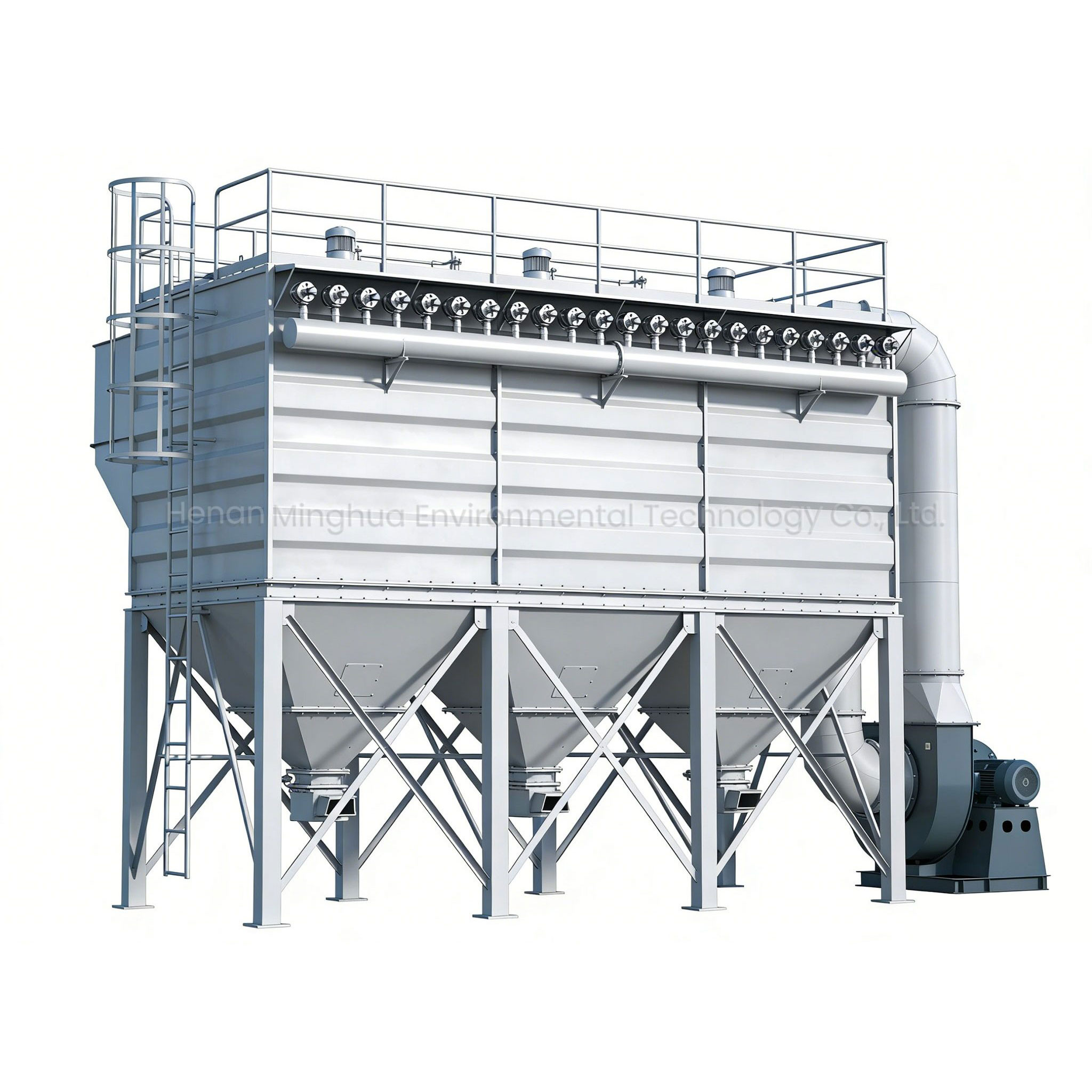



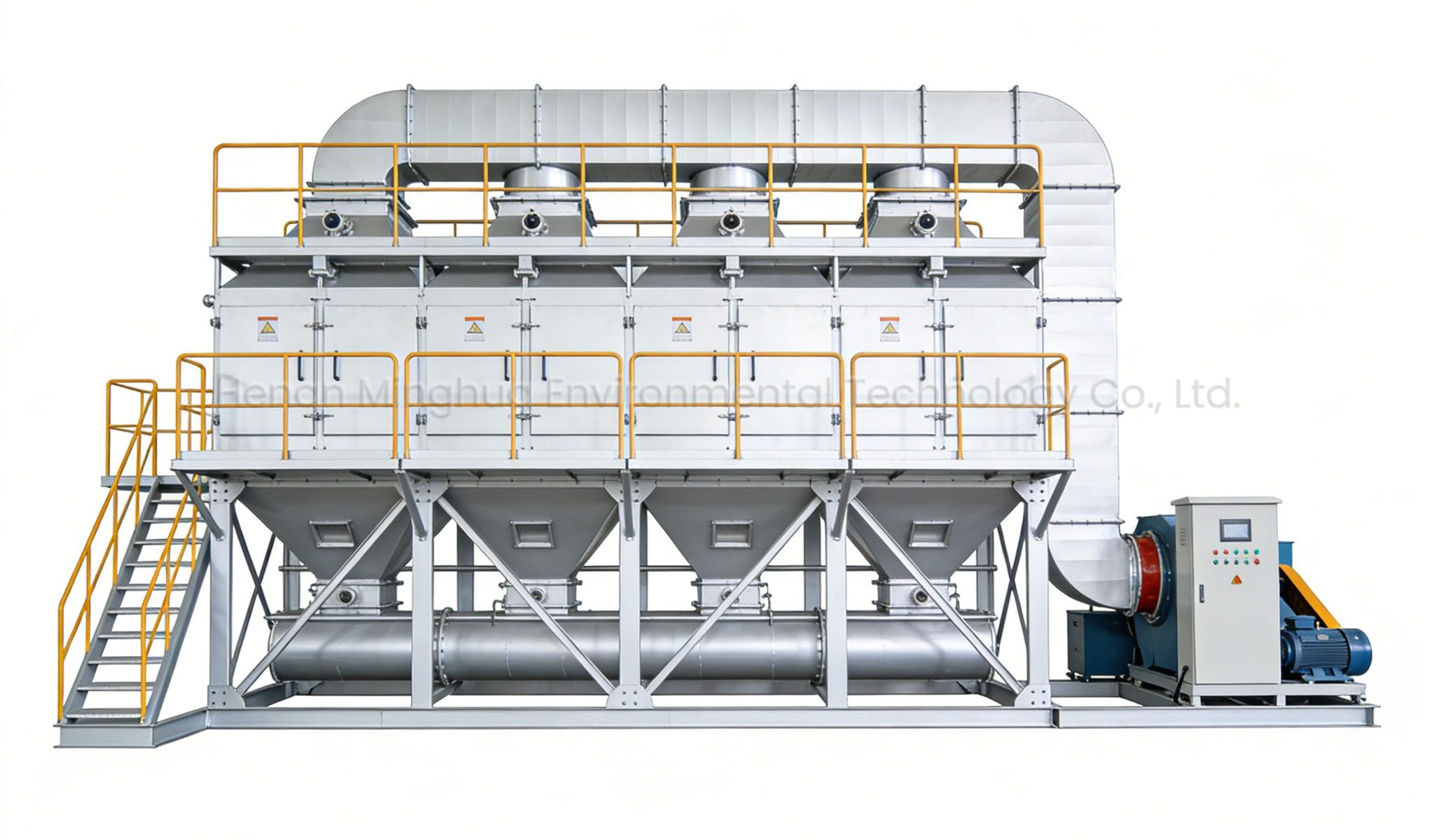
| Parameters | Contents |
|---|---|
| Model / Specifications | MHRCO-X (Where X denotes Airflow Capacity in m³/h) |
| Airflow Capacity | 5000–50000 m³/h |
| Inlet Concentration | VOCs≤1000 mg/m³ |
| Efficiency | ≥95% |
| Applicable Exhaust Gas Types | VOCs |
| Main Material | Anti-corrosive Carbon Steel, Stainless Steel |
| Control System | PLC Fully Automated with Touchscreen / Manual |
| Adsorption Material | Honeycomb Activated Carbon |
| Catalytic Temperature | 280–320 ℃ |
| Safety Features | Flame Arrestor, Explosion Venting Disc, Over-temperature Alarm, Water Sprinkler |
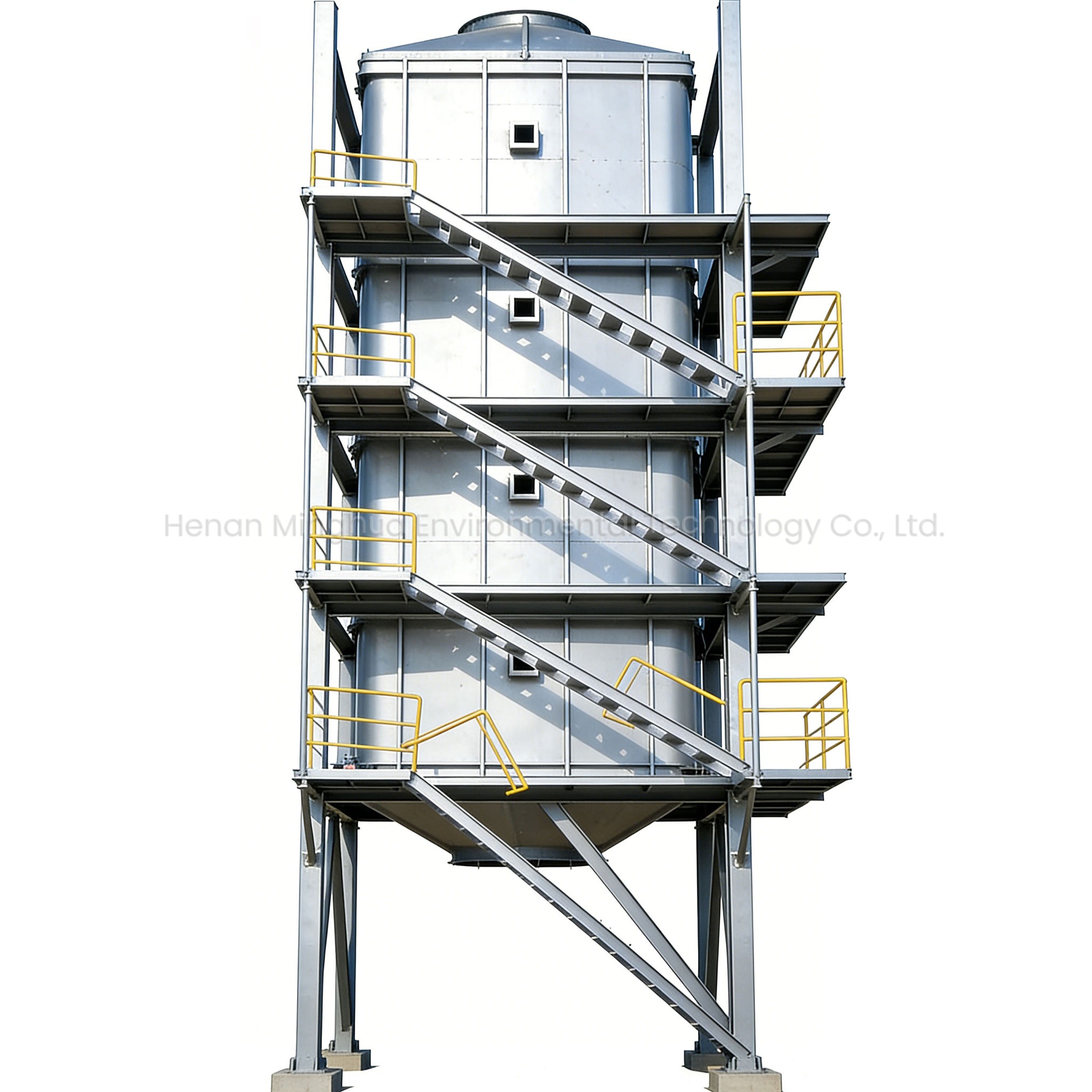
FAQ
Q1: Why is VOC exhaust treatment failing to meet emission standards?
Off-spec emissions typically result from catalyst deactivation, insufficient combustion temperature, high VOC concentration spikes, or saturated carbon beds. Quick fix: Replace spent catalyst modules, calibrate catalytic chamber operating temperature, and replace saturated activated carbon beds on schedule.
Q2: What is the typical service life of SCR catalyst modules?
Under standard operating conditions, noble metal or transition metal VOC catalysts last 2 to 3 years. Clean exhaust streams free of particulate matter, siloxanes, and sulfur poisons can extend catalyst lifespan even longer.
Q3: Does the VOC system support explosion-proof design and full automation?
Yes. We deliver ATEX/IECEx explosion-proof compliant systems with full PLC automation, featuring automatic startup/shutdown, over-temperature interlock alarms, flame arrestors, and emergency pressure relief valves for safe operation.


Henan Public Network Security Registration No. 41077102000244