


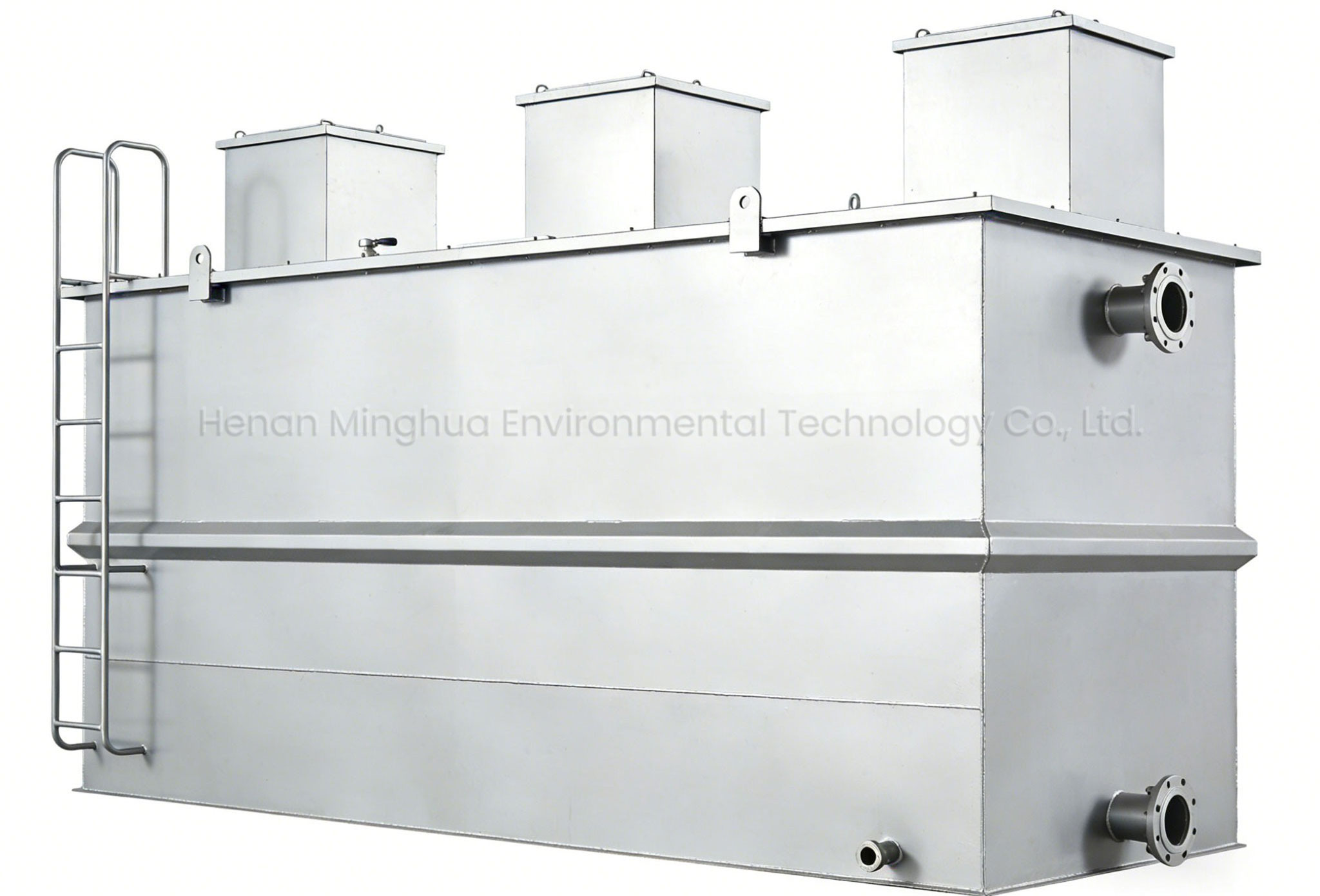
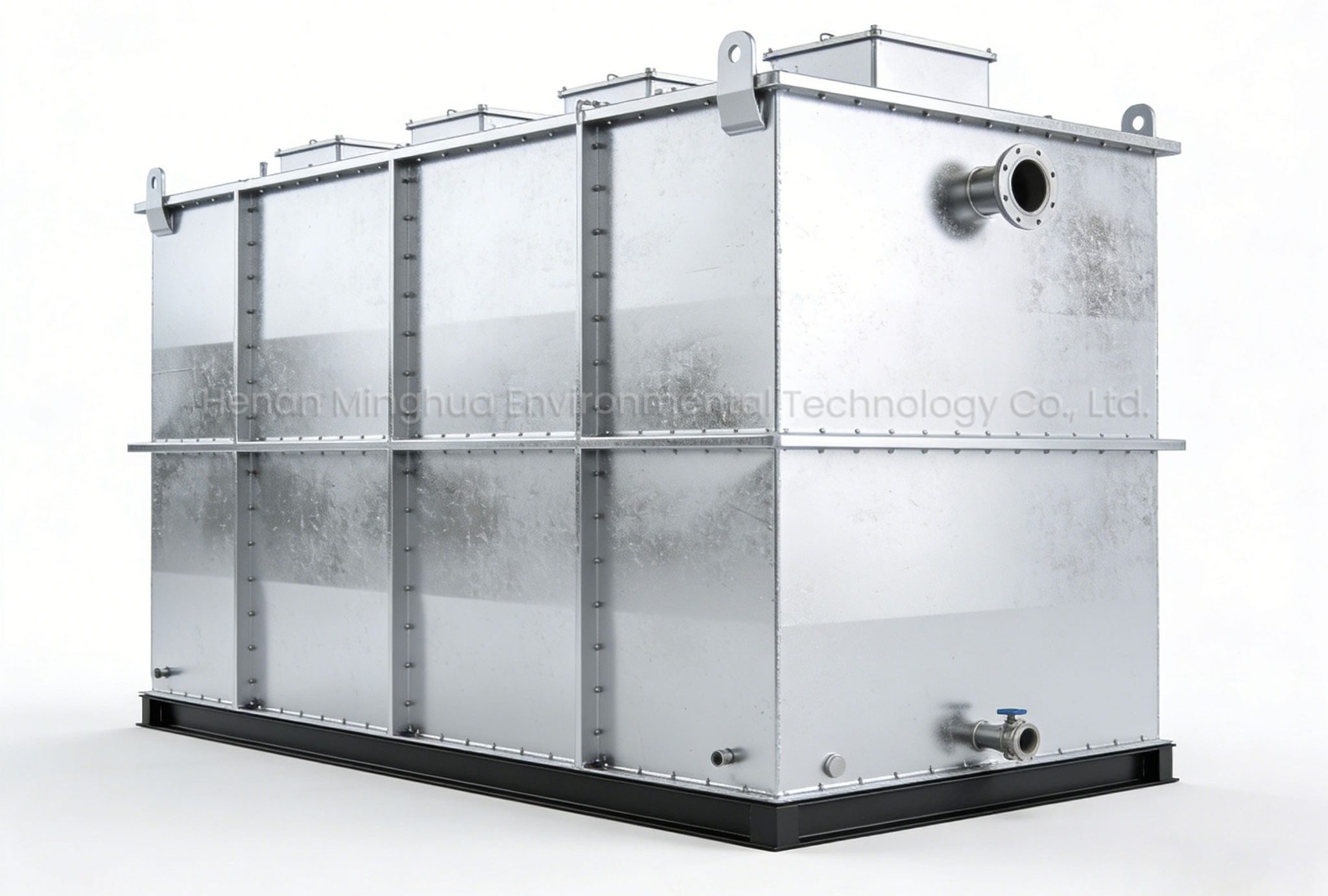
| Parameters | Contents |
|---|---|
| Model / Specifications | MHYT-X (X = Processing volume m³/h) |
| Treatment Capacity | 1-10 m³/h |
| Influent Water Quality | Influent COD ≤ 500 mg/L |
| Effluent Water Quality | Effluent COD ≤ 50 mg/L |
| Material Options | Anti-corrosive Carbon Steel |
| Overall Dimensions | Height≥2000 mm Footprint: 5-40 m² Effective Volume: 10-100 m³ |
| Installation Method | Buried / Above-ground |
| Core Treatment Technology | AO Process + MBR Membrane |
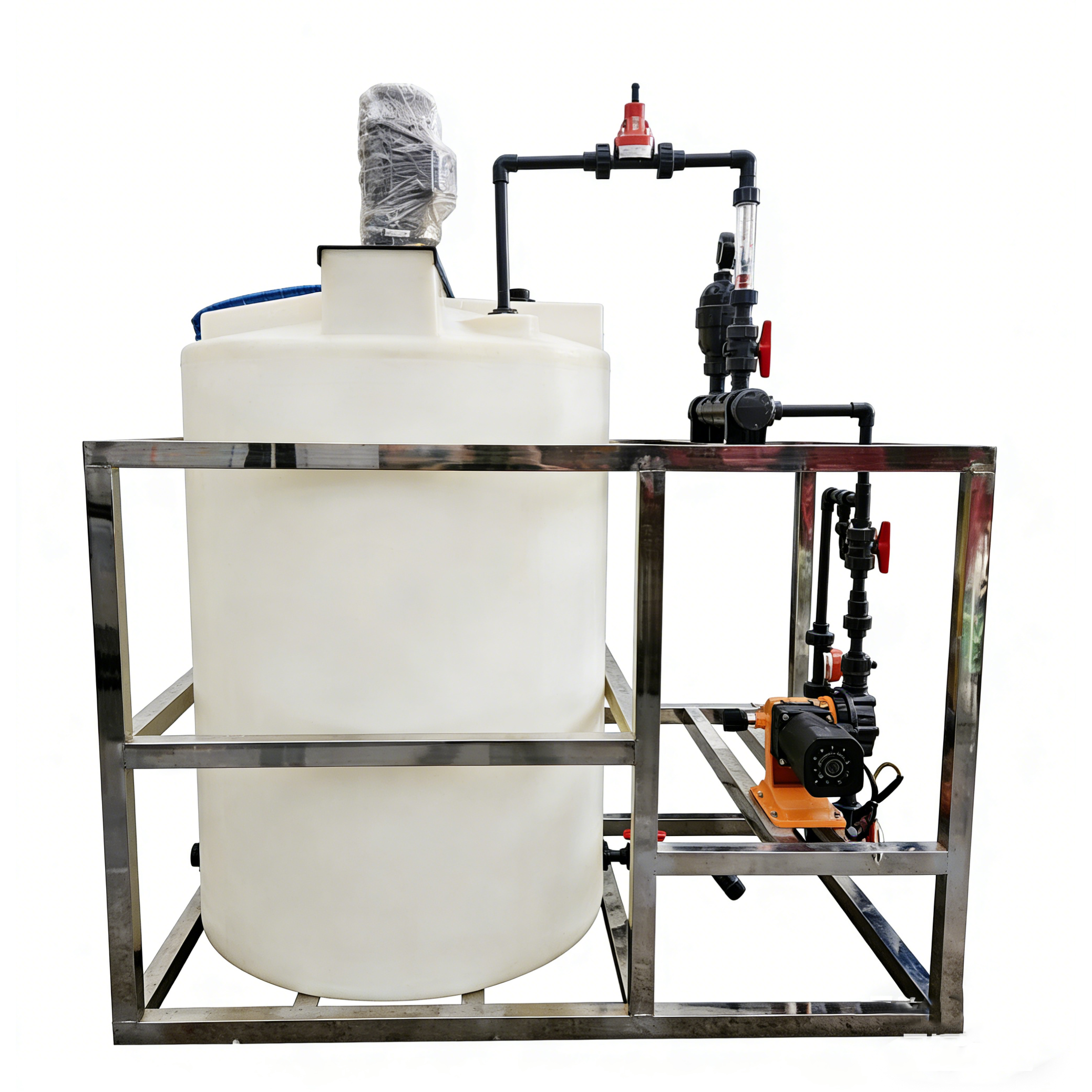
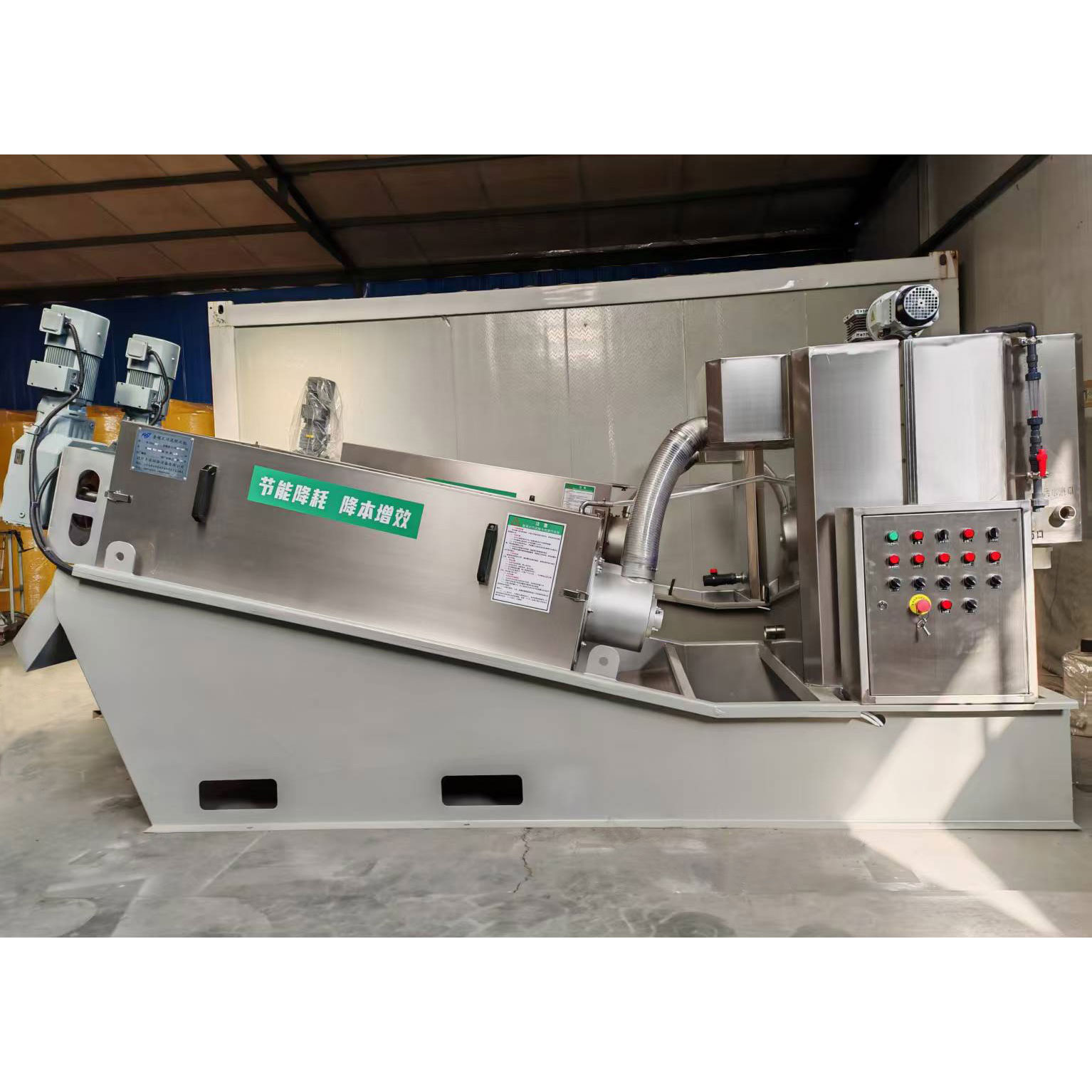
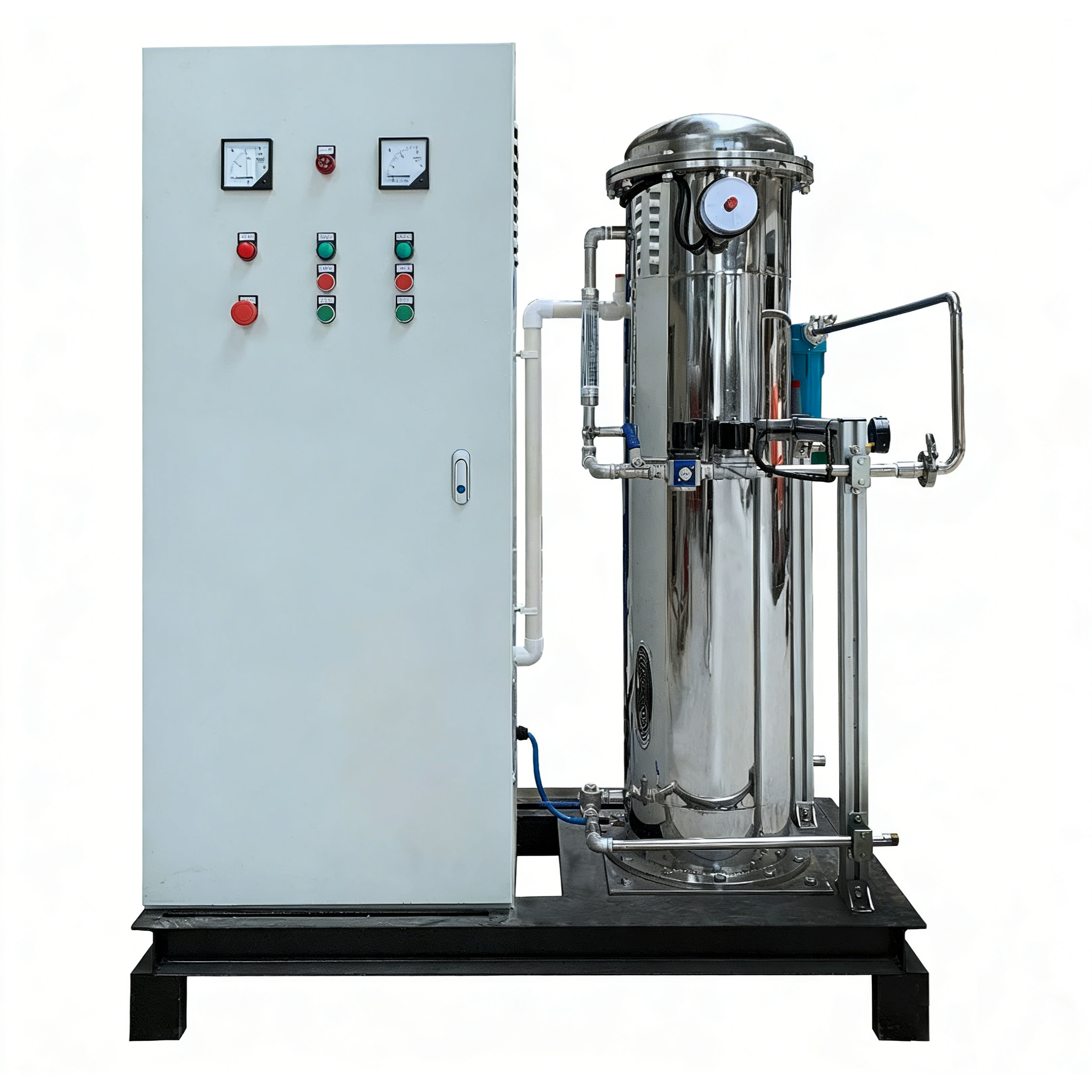
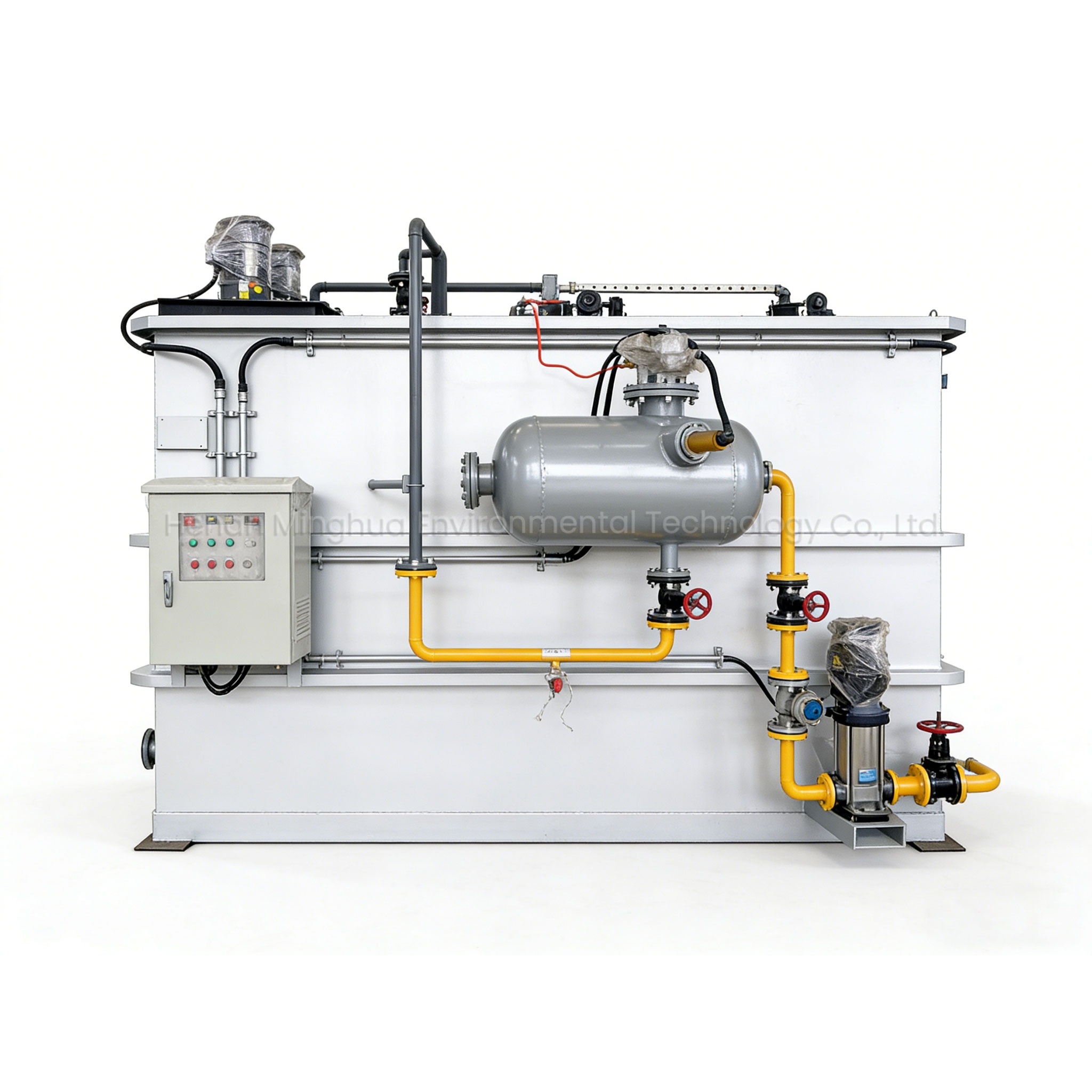
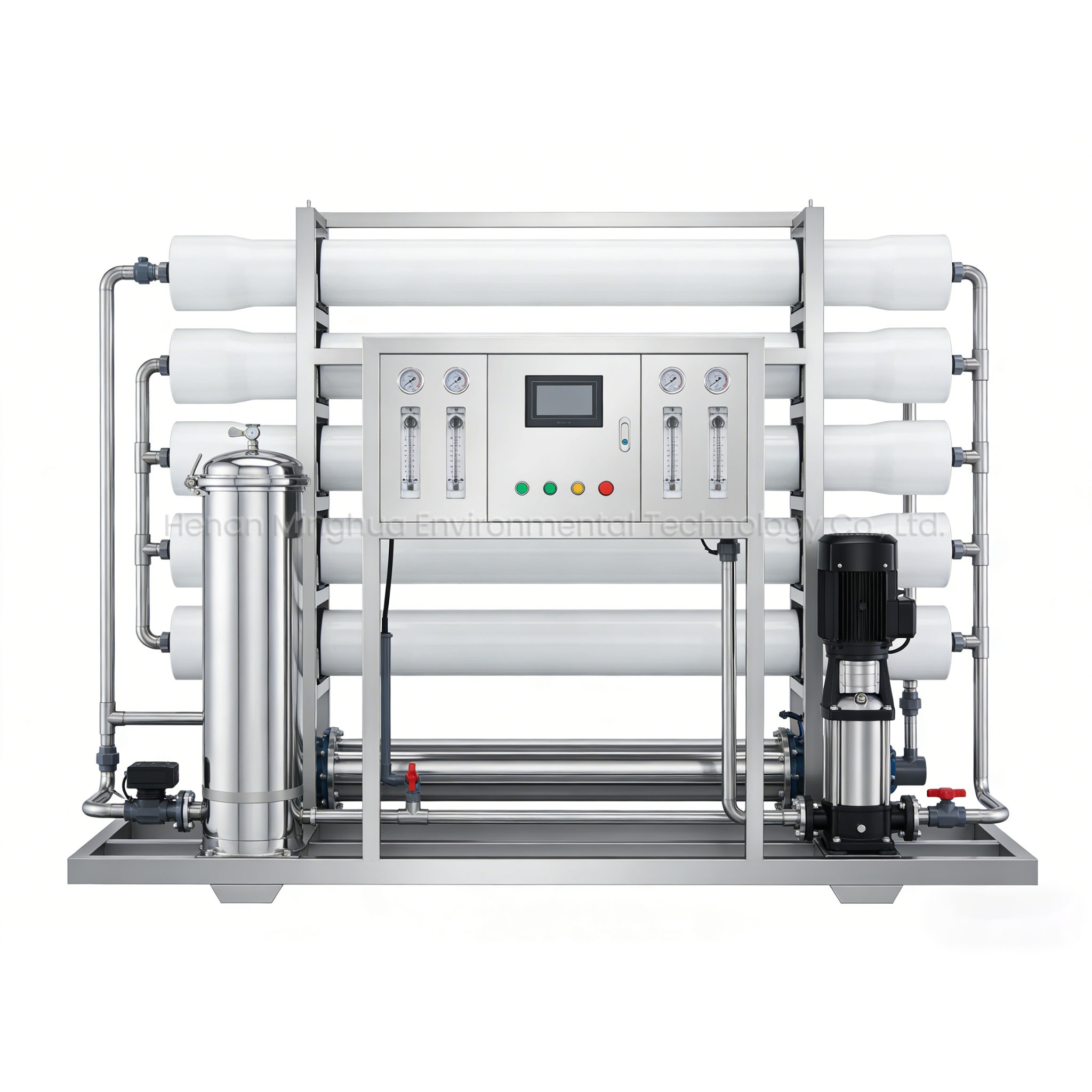
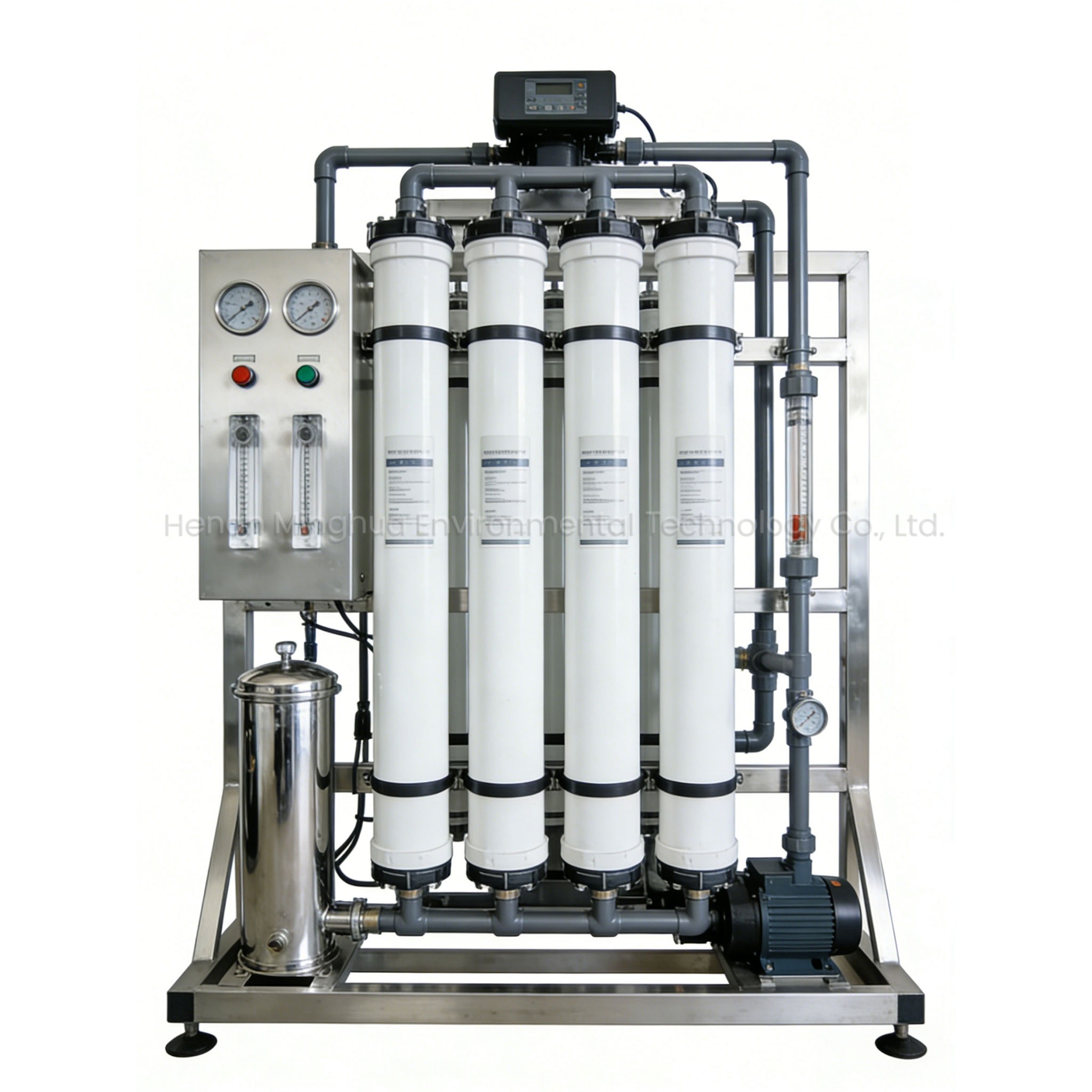
| Core Components & Configurations | Blower, Aeration system, MBR membrane system, Automatic control system |
| Operating Power | 3-20 KW |
| Operation Mode | Manual-Auto Integration, Opt. Remote |
| Aeration Method | Blower Aeration |
| Maintenance Cycle | Semi-annual cleaning (SAC) |
FAQ
Q1: What are the advantages of MBR vs conventional wastewater systems?
Conventional treatment has low filtration precision, large footprints, and weak shock resistance. Membrane Bioreactor (MBR) systems achieve superior solid-liquid separation and higher MLSS concentrations, saving over 50% footprint while reducing excess sludge, enabling high automation, and delivering stable, reusable effluent.
Q2:How do I fix low permeate output or declining membrane flux?
Flux decline is typically caused by membrane fouling from accumulated sludge and organic colloids. Quick fix: Maintain continuous air scouring during operation, conduct regular online chemical cleaning (CIP), and schedule periodic deep offline chemical soaking to restore flux.
Q3: What is the lifespan of MBR membrane modules and the complete system?
With standard operation and regular maintenance, MBR membrane modules last 3 to 5 years. The heavy-duty, corrosion-resistant integrated system structure is built for a service life of up to 10 to 15 years.

 Henan Public Network Security Registration No. 41077102000244