

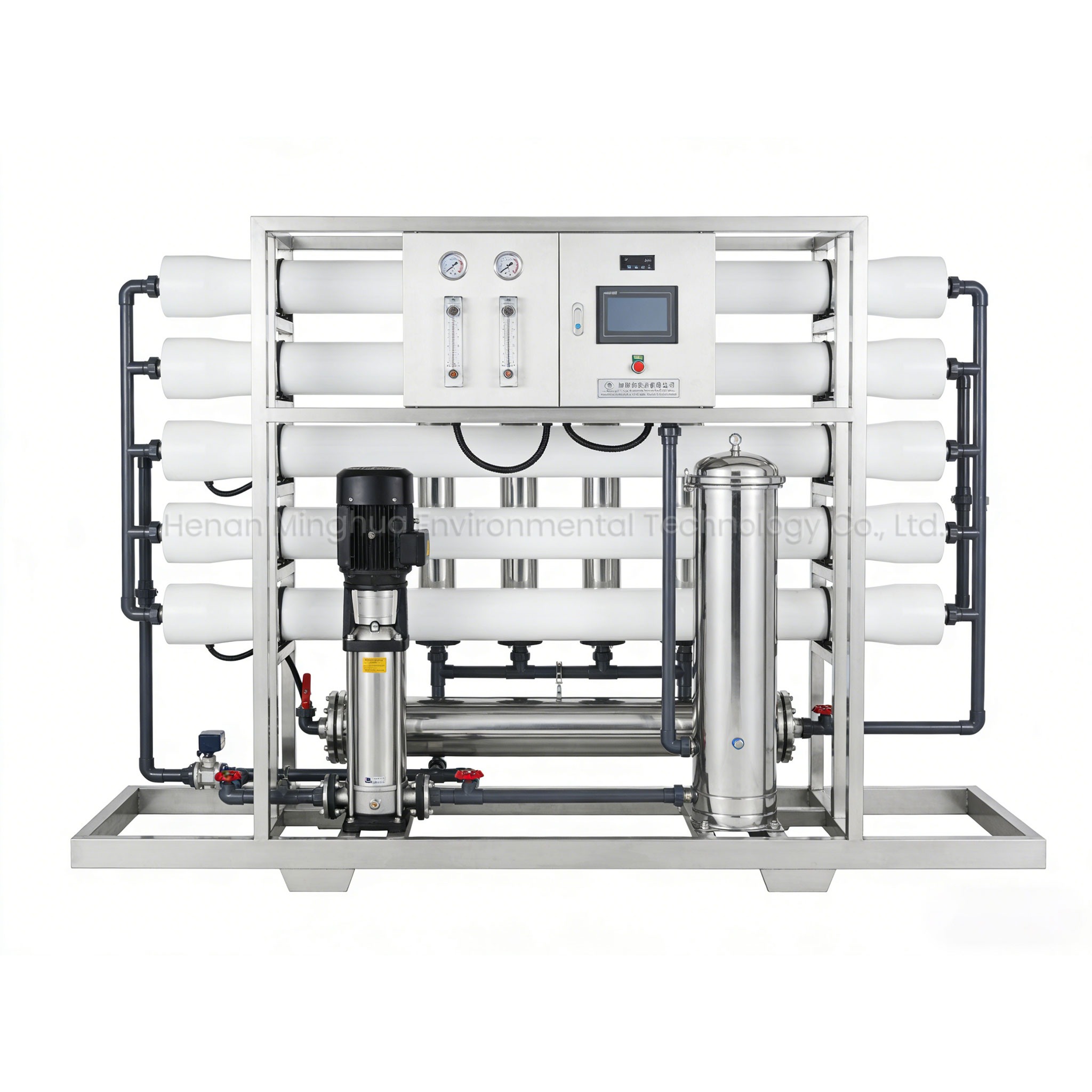
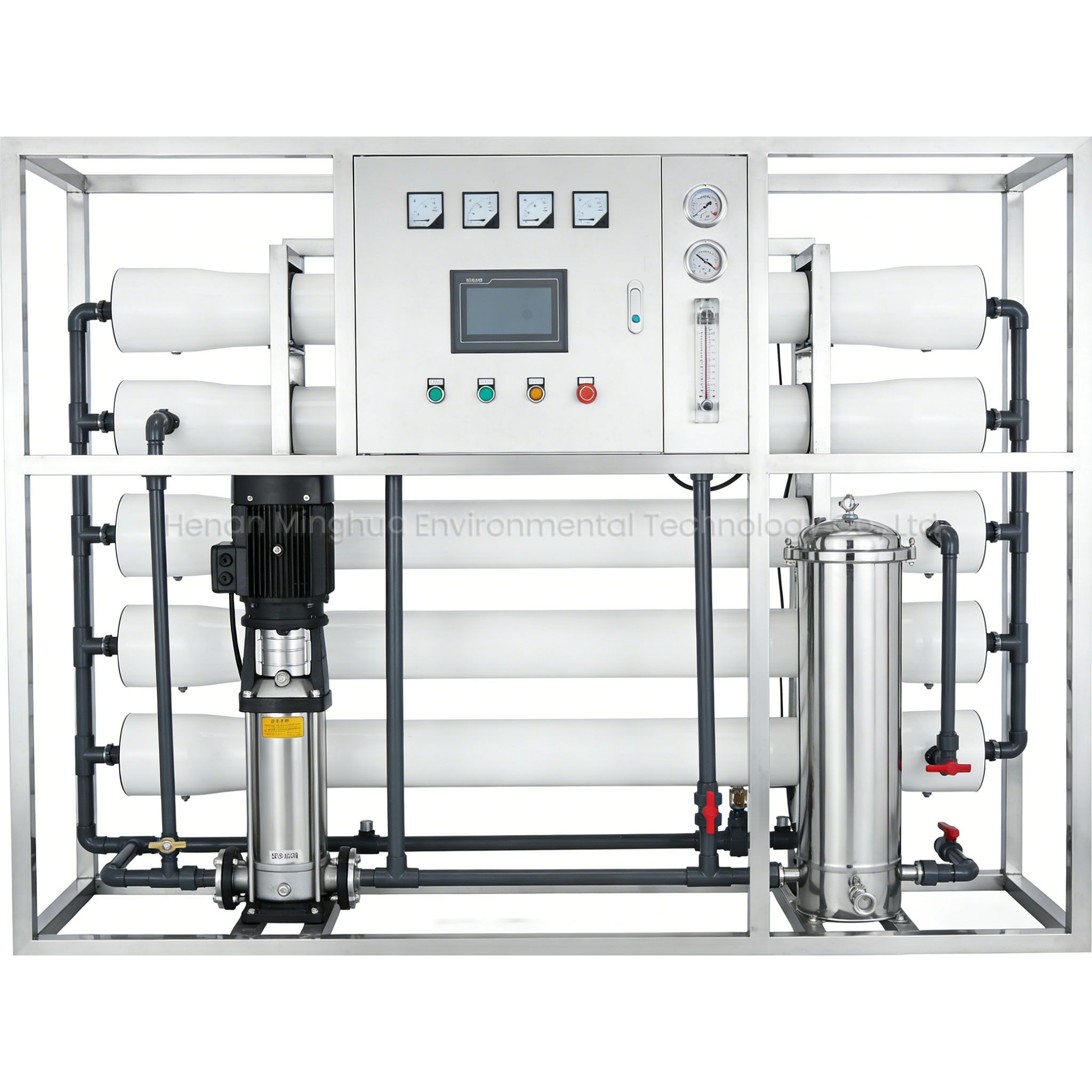
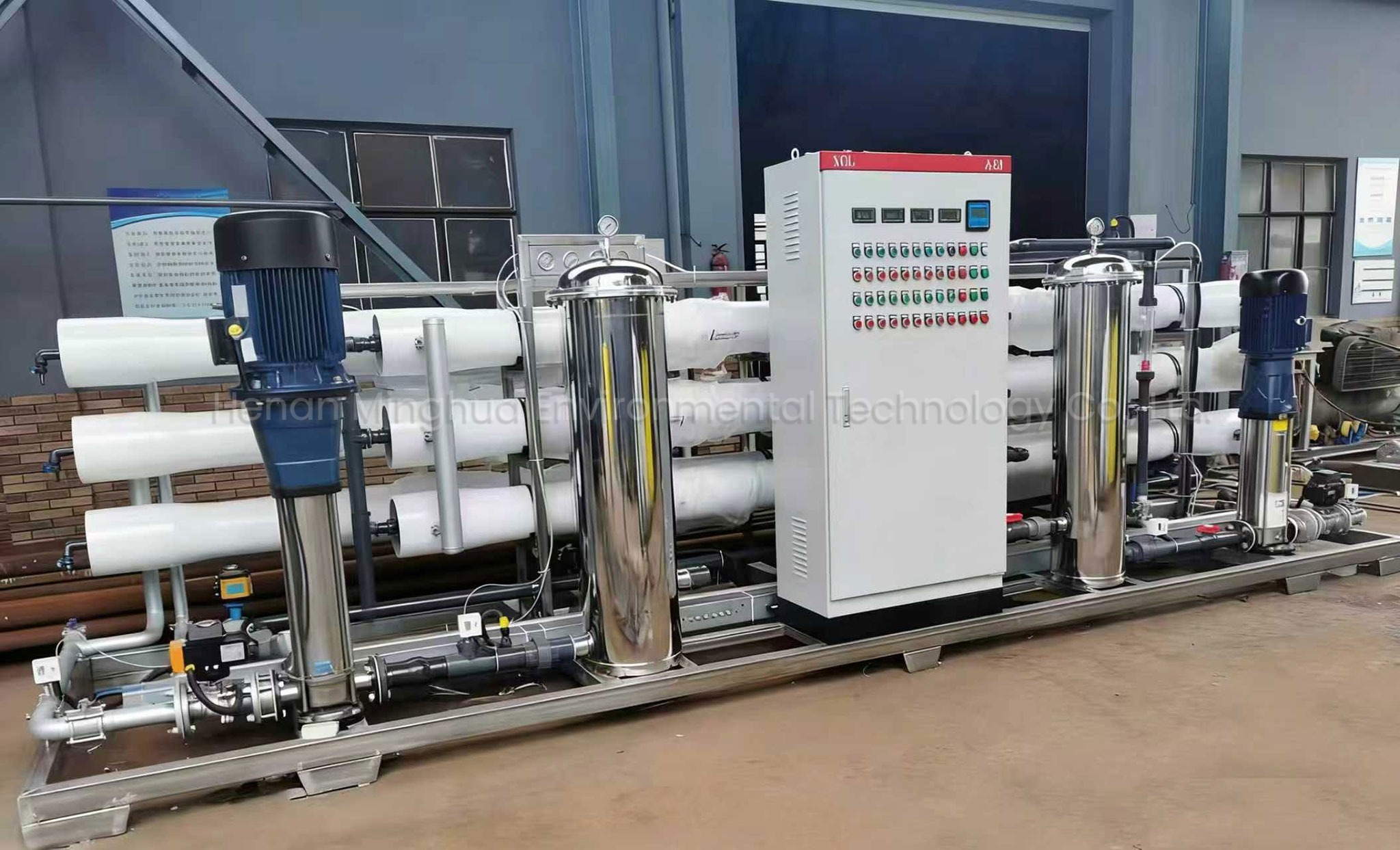
RO (Reverse Osmosis)

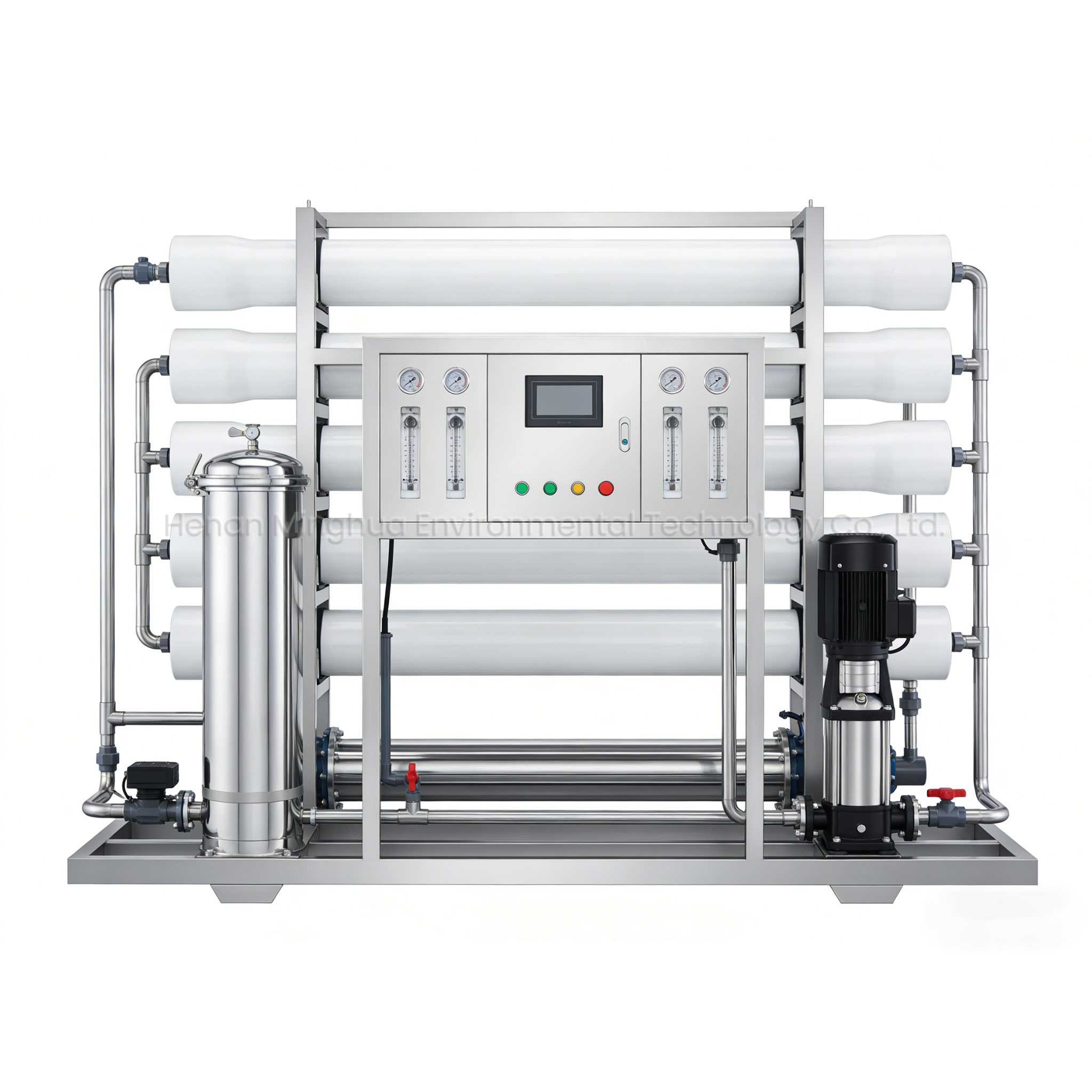
Description:The primary function is to intercept various anions and cations in water; it is used for pure water production and the concentration of various salt-containing and heavy metal liquids.
Key Advantages: Compact design, fully automated operation, low energy consumption, easy management, simple operation.
Applications: Industrial pure water production, industrial wastewater reclamation and reuse, seawater desalination
Efficiency:2-40 m³/h, Influent COD ≤ 100 mg/L, Conductivity ≤ 10000 µS/cm, Effluent Conductivity ≤ 30µS/cm
Inquire Now
  • Products Details
  • Functional Logic
  • Application Scenarios
  • Customized Service
  • Core Advantages
ParametersContents
Model / SpecificationsMHFST-X (X = Processing volume m³/h)
Treatment Capacity2-40 m³/h
Influent Water QualityInfluent COD ≤ 100 mg/L
Conductivity ≤ 10,000 µS/cm
Effluent Water QualityEffluent Conductivity ≤ 30 µS/cm
Material OptionsRO Membrane - Aromatic Polyamide
Overall DimensionsL: 1500-8000 mm
W: 1000-1500 mm
H: 1500-2000 mm
Core Treatment TechnologyFiltration Method
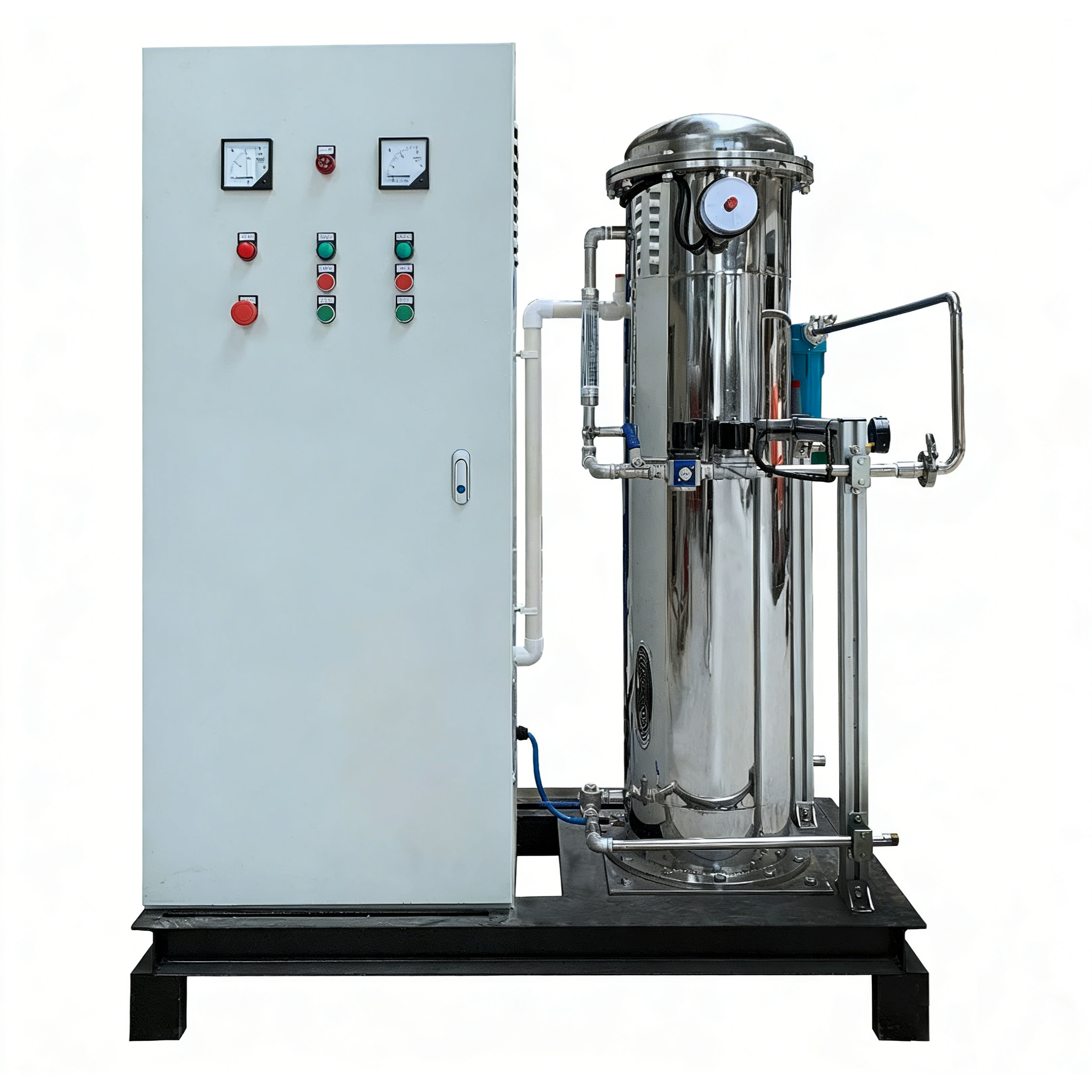
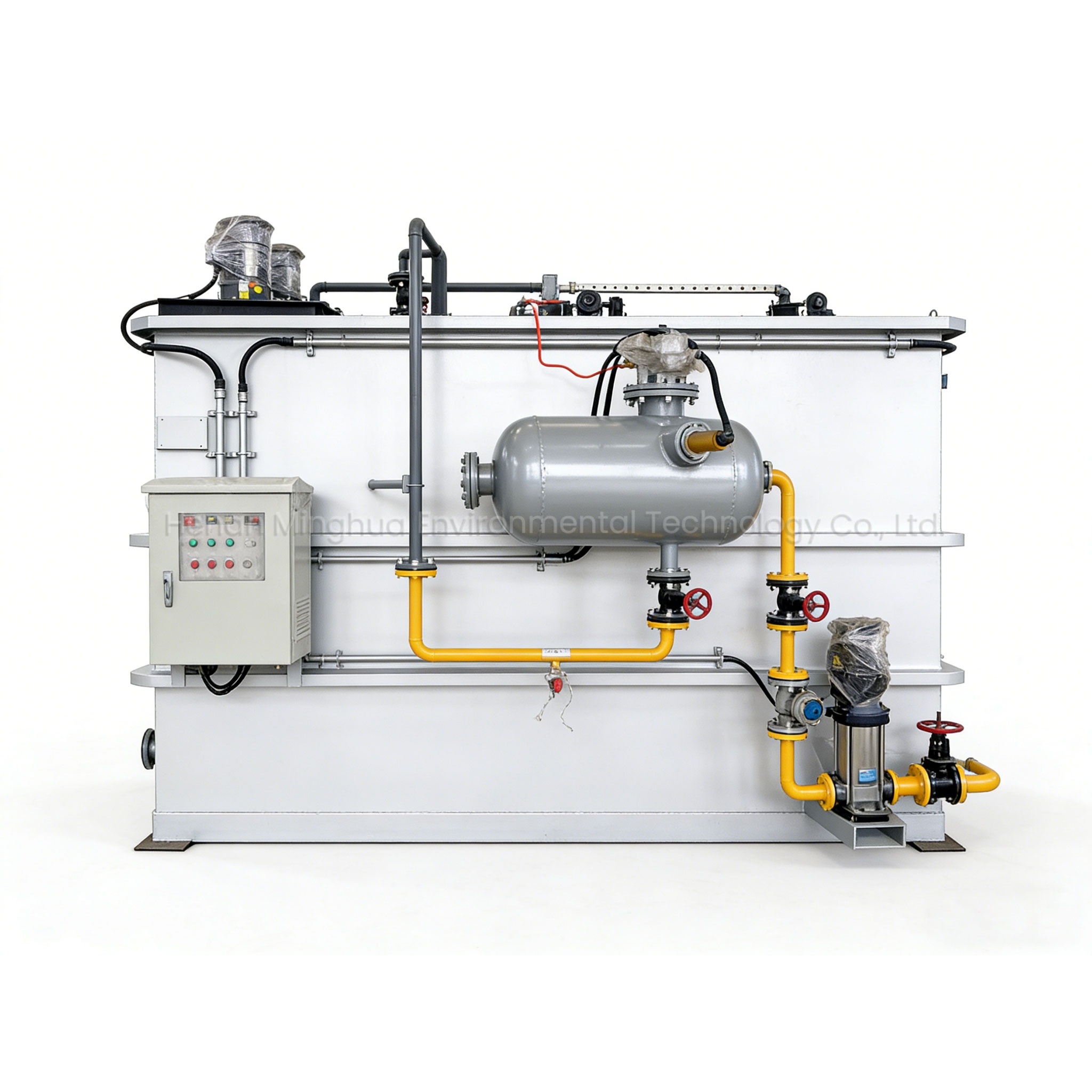
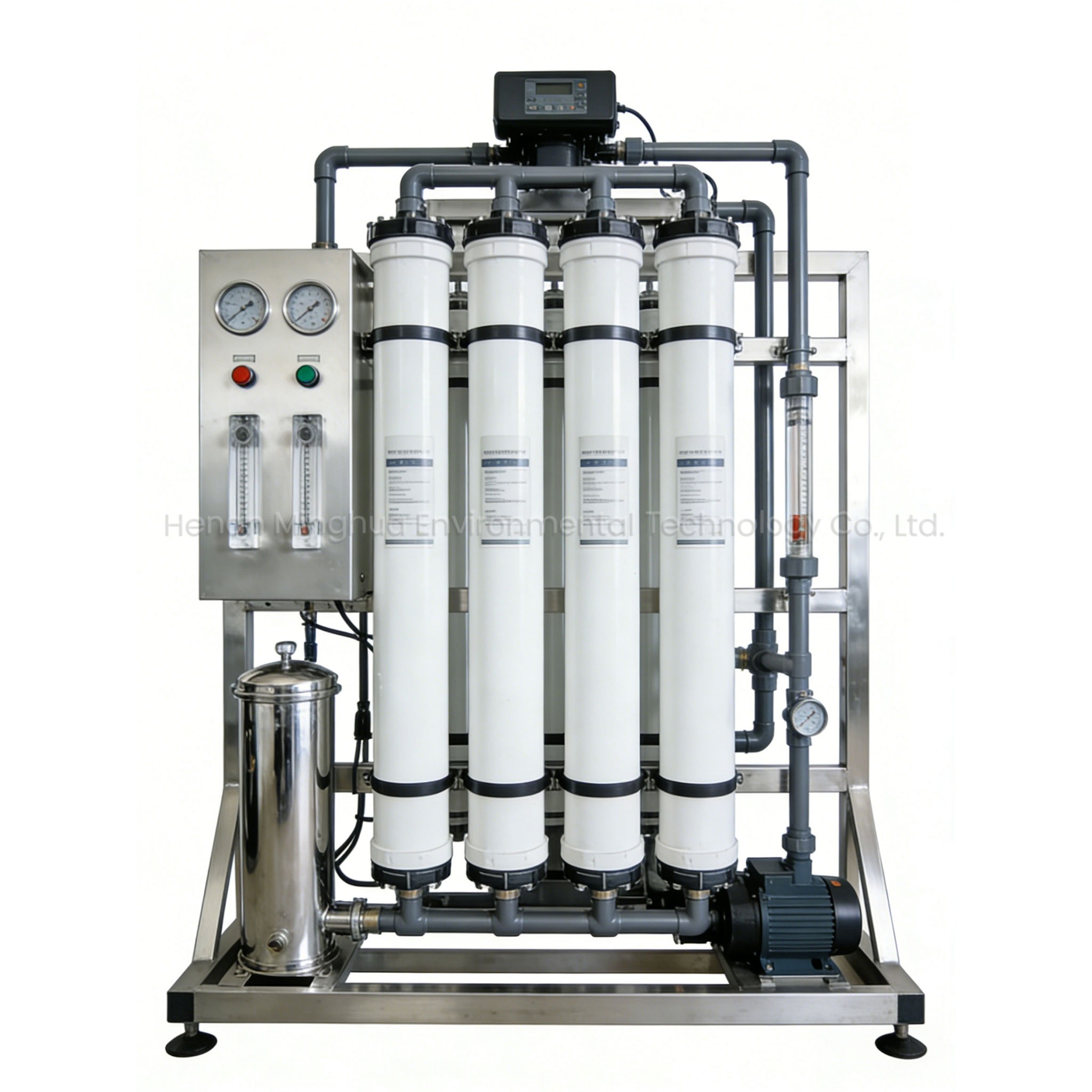
Core Components & ConfigurationsRO membrane, High-pressure pump, Flow meter, Conductivity meter, Control cabinet, Backwash system
Operating Power4 KW - 50 KW
Installation MethodAbove-ground
Operation ModeFully Auto PLC, Manual, Remote Monitoring
Backwash Cycle30-minute / 10-hour interval

FAQ

Q1: Why is RO permeate conductivity increasing or water quality declining?

Elevated conductivity and reduced salt rejection are typically caused by membrane aging, damaged interconnector O-ring seals, upstream pretreatment failure, or raw water quality fluctuations. Quick fix: Inspect pressure vessel seals, verify pretreatment performance, run a Clean-In-Place (CIP) cycle, or replace degraded RO membrane elements.

Q2: What causes unstable pump pressure and reduced permeate flow?

Pressure drops and declining permeate production usually stem from clogged security cartridge filters, mineral membrane scaling, or insufficient pump inlet pressure. Quick fix: Replace clogged 5-micron cartridge filters, perform targeted chemical CIP to remove scale, and calibrate high-pressure pump operating parameters.

Q3: What is the typical service life of an RO membrane?

Under standard operating conditions, industrial RO membranes typically last 2 to 3 years. With effective pretreatment (such as UF or multimedia filtration) and routine CIP cleaning, the service life can be extended to 3 to 5 years.
相关案例

  • 220t/d Automotive Parts Electroplating Wastewater ZLD Project
  • 60t/d Electroplating Facility: Segregated Wastewater Collection and Heavy-Metal ZLD Project
  • 150 t/d Automotive Parts Electroplating Wastewater Treatment Project: Chromium-Containing Wastewater ZLD
  • 300 t/d High-Salinity, High-Ammonia-Nitrogen Washwater Reuse Project for Lithium-Ion Battery Ternary Precursor Manufacturing
  • Copy linkWeChatFacebookLinkedInWhatsAppPinterest

    Functional Logic

    • Core Concept — From "Osmosis" to "Reverse Osmosis"
      Natural Osmosis: Water molecules naturally flow from the low-concentration side (fresh water) to the high-concentration side (salt water).
    • Reverse Osmosis (RO): By applying pressure to the high-concentration side, water molecules are forced to flow in the reverse direction.
      · Rejected Impurities: Effectively blocks salts, impurities, heavy metals, bacteria, and viruses.
      · Permeate: Only pure water molecules pass through the membrane.

    Process Flow

    • Pre-treatment:
      · Quartz Sand Filter: Removes sediment and suspended solids.
      · Activated Carbon Filter: Removes residual chlorine, odors, and organics. Security Filter: Final fine filtration to protect membranes.
    • RO Desalination:
      · High-Pressure Pump: Overcomes osmotic pressure.
      · RO Membrane: Filters at 10-5μm (0.00001μm) precision.
      Post-treatment (Optional):
      · UV Sterilizer: Further disinfection for water safety.

    Key Advantages

    Extremely high & stable effluent water quality.

    Parameters Contents
    Electronics / Electroplating / Industrial Manufacturing
    • Electroplating Industry: Pure water for electroplating and cleaning processes.
    • Electronics Plants: Circuit board cleaning and ultra-pure water for electronic components
    • Hardware Processing: Product cleaning and cooling water
    • Coating & Electrophoresis: Prevents watermarks and spots; improves surface quality

    Characteristics: High purity of water, no impurities, no hardness

    Food & Beverage Industry
    • Water Production: Purified water and mineral water bottling plants.
    • Production Water: For beverages, fruit juices, and milk tea production.
    • Condiment Production: Wineries, soy sauce, vinegar, and other seasoning production.
    • Food Processing: Cleaning and ingredient water for meat and soy products

    Characteristics: hygienic water discharge, no odor, no heavy metals

    医药/医院
    • · Hospitals: Pure water machines, laboratory testing, and dialysis water
    • Pharmaceutical Plants: Pre-treatment for purified water and Water for Injection (WFI).
    • · Personal Care: Production water for health supplements and cosmetics

    Characteristics: sterile, pyrogen-free, high purity

    锅炉/空调/暖通
    • Boiler Softening: Softened water + RO desalination to prevent scaling.
    • Cooling circulation makeup water
    • Water supply for steam generators and heat exchange equipment.

    Characteristics: Reduced hardness, TDS, and extended equipment lifespan

    Civil & Commercial Water Purification
    • Community-wide direct drinking water and building-specific classified water supply
    • For schools, hotels, and dormitories
    • Direct drinking water for office buildings and factory employees
    Wastewater Treatment & Reclaimed Water Reuse
    • Advanced Reuse: Advanced treatment following integrated wastewater processing.
    • Industrial Parks: Reclaimed water reuse for industrial zones.
    • Compliant Reuse: For coal washing, printing & dyeing, and chemical wastewater.
    • Front-end desalination for Zero Liquid Discharge (ZLD) projects
    • RO is the core equipment for transforming wastewater into clean water for reuse.
    海水淡化/苦咸水地区
    • Coastal Regions: Seawater desalination
    • Transforming high-salt, bitter and salty water in the northwest and inland into drinking water


    Parameters Contents
    Airflow Capacity Customizable equipment sizes tailored to specific processing volume
    Membrane Type Customizable options: Standard/Anti-fouling/Seawater Desalination
    Remote Monitoring Optional remote monitoring system integration.
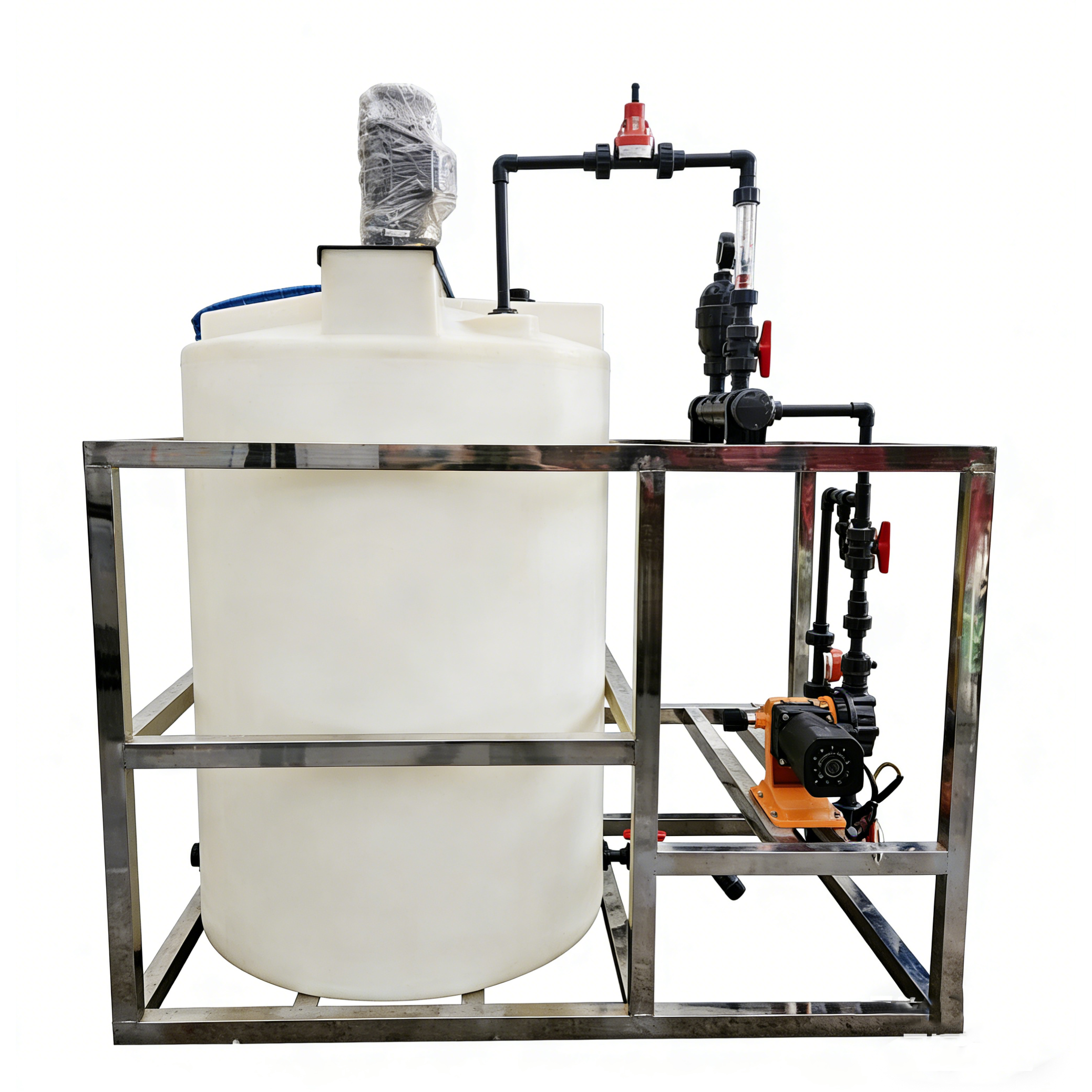
    Disinfection Module Customizable disinfection modules based on effluent discharge destinations
    Parameters Contents
    Performance · Guaranteed Compliance: Delivers consistently stable effluent that meets all discharge standards.
    · High Throughput: Optimized system design ensures superior treatment efficiency and rapid processing.
    · Operational Resilience: Strong resistance to shock loads (both volume and concentration), ensuring stable operation even under fluctuating influent conditions.
    Operation Fully automated PLC control with unmanned operation.
    Customizable HMI touchscreen for intuitive and user-friendly operation.
    Maintenance ·Modular core components for easy disassembly, coupled with simplified backwash procedures.
    ·Extended service cycles significantly reducemanual maintenance and operational costs.
    Materials & Durability RO Membrane: · High-end membranes 2+ years · Standard membranes 1+ year
    Adaptability · Versatile Adaptability: Handles diverse influent water qualities.
    · Support modular expansion for future capacity upgrades.


    +86-13903738003