

220t/d Automotive Parts Electroplating Wastewater ZLD Project
Project Overview
Project Background and Key Challenges
The customer is a newly developed smart automotive parts manufacturing facility and a key supplier within the precision automotive supply chain. The plant was required to implement a closed-loop treatment and reuse approach for heavy-metal-bearing electroplating rinse water.
The project faces the following three major pain points:
Complex Heavy-Metal Wastewater:
The facility operates zinc plating, chromium plating, and nickel plating processes. Wastewater contains both free and complexed metal ions, with significant fluctuations in water quality and alternating acidic and alkaline streams.
Membrane Concentration Risks:
High salinity and hardness can increase the risk of inorganic scaling and metal fouling during reverse osmosis concentration, potentially affecting membrane flux and long-term stability.
Fast Delivery and Automation Requirements:
As the new smart factory was approaching production startup, the project required an accelerated delivery schedule and a high level of automated monitoring and centralized control.
Treatment Process and Core Equipment
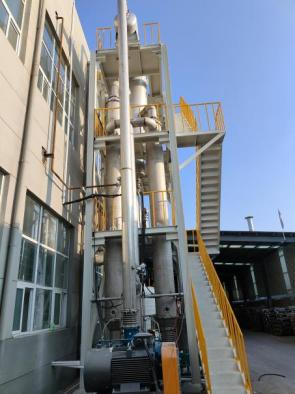
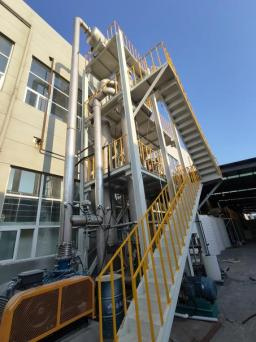
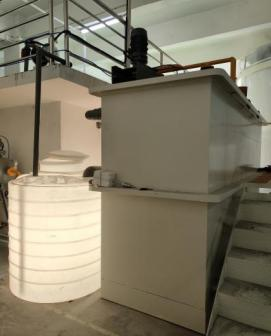
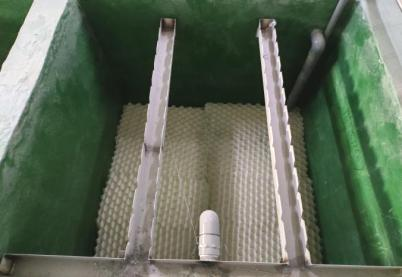
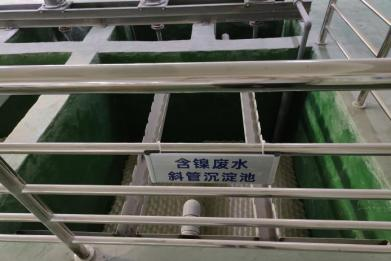
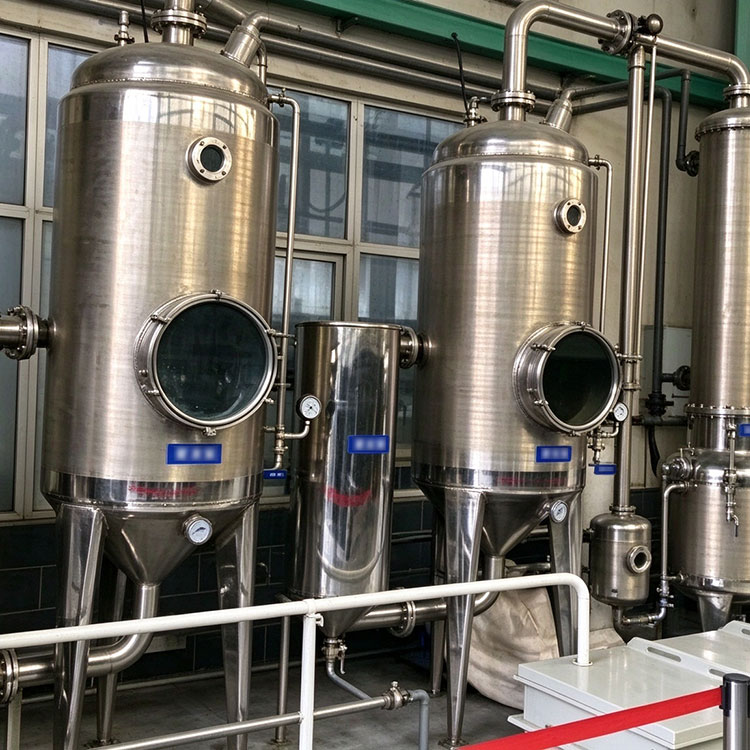
Based on the characteristics of chromium-, nickel-, and zinc-containing wastewater, the project adopted an integrated process combining segregated pre-treatment, complexed-metal treatment, membrane desalination, and MVR evaporation.
Process Flow
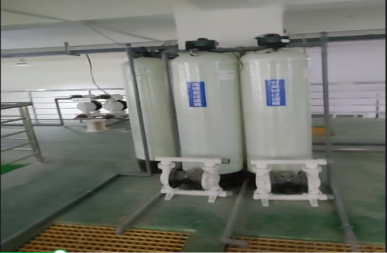
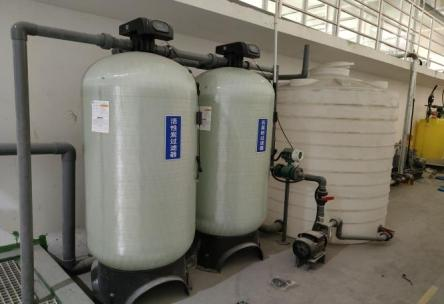
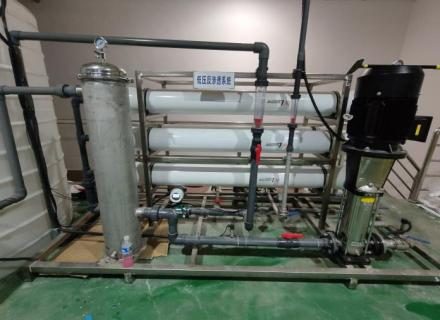
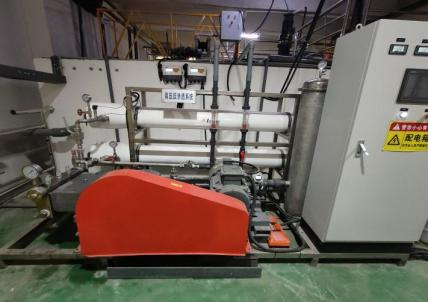
Equalization Tank → Chemical Precipitation → Sand Filtration / Activated Carbon Filtration → Ultrafiltration (UF) → Reverse Osmosis (RO) → RO Permeate Reused in Suitable Production Applications / RO Concentrate Sent to MVR Evaporation and Crystallization
Core Equipment Minghua Use
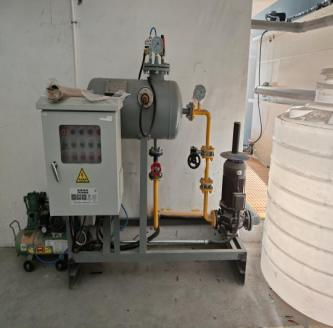
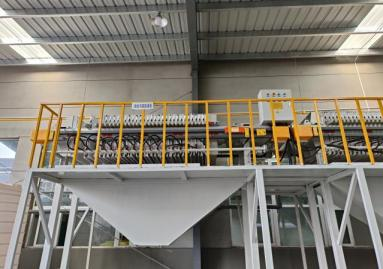
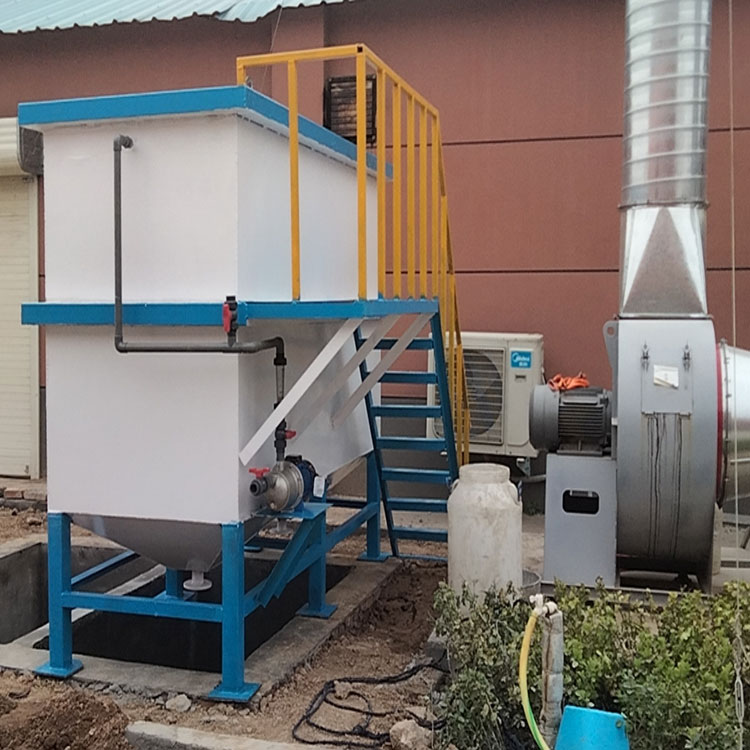
· Dissolved Air Flotation System (DAF)
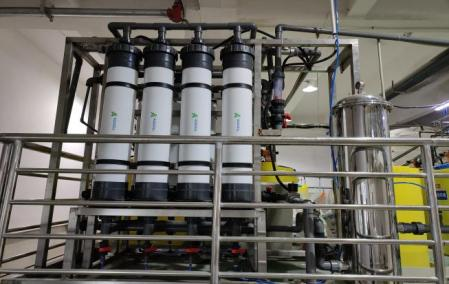
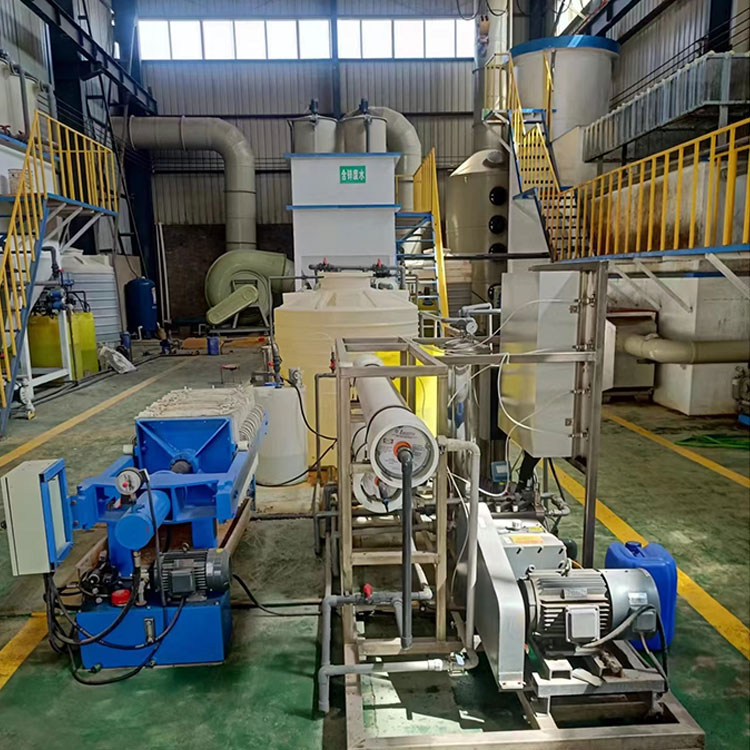
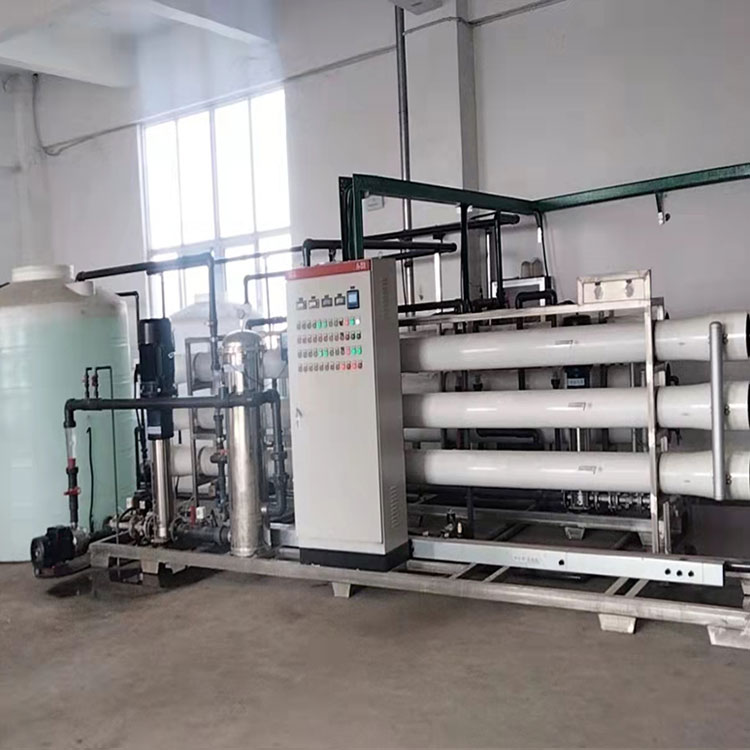
· Ultrafiltration + Reverse Osmosis Membrane System
Operational Performance and Project Benefits
Through coordinated on-site execution, the system completed water commissioning 15 days ahead of the original project schedule.
The system has remained in stable operation since commissioning. Heavy-metal control performance meets the requirements of China’s Discharge Standard of Pollutants for Electroplating (GB 21900-2008).
Through automation upgrades, routine operation was optimized from the typical two operators per shift to one operator per shift for central monitoring, routine inspection, and daily operation.
The system recovers approximately 180–190 t/d of treated reuse water for cleaning-line applications, reducing freshwater consumption and demand for externally supplied demineralized water.
The project helps reduce heavy-metal discharge fluctuations and related compliance risks, supporting continuous production for a facility producing 50,000 electroplated automotive components per day.
Influent and Effluent Performance
| Parameters | Details |
| Types of Waste Water | Electroplating Wastewater |
| Treatment Capacity | 220 m³/d |
| Technology | ·Electroplating Wastewater: Chemical Precipitation | Membrane Separation | Multi-effect Evaporation ·Combined Wastewater: Physicochemical Treatment | Biological Treatment |
| Discharge Standard | Electroplating Pollutants Electroplating Discharge Standard (GB 21900-2008) |
| Untreated/Inlet | COD≤500 mg/L, Total Zinc (Zn)≤200 mg/L, Total Chromium (Cr)≤80 mg/L, Total Nickel (Ni)≤80 mg/L, SS (Suspended Solids)≤500 mg/L |
| Treated/Outlet | Compliance Discharge, Zero Liquid Discharge (ZLD). |
FAQ
Q1: How are energy consumption and operating costs controlled in a 220 t/d electroplating wastewater ZLD system using MVR evaporation?
The system first uses high-recovery reverse osmosis to concentrate the wastewater by approximately 4–5 times, reducing the final brine volume entering the evaporator to less than 40 t/d .
The MVR system mechanically compresses and reuses secondary vapor latent heat. Under the project operating conditions, this configuration reduces combined electricity and thermal-energy demand by more than 50% compared with conventional multi-effect evaporation, helping lower the overall treatment cost per ton of wastewater.
Q2: How can a complex electroplating wastewater system using UF, RO, and MVR be operated by one person per shift?
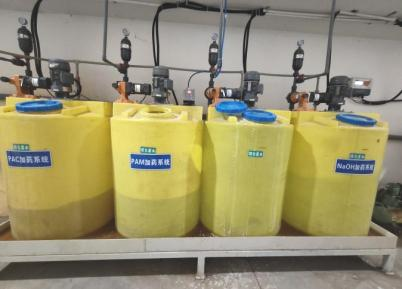
The system integrates online pH meters, conductivity meters, level sensors, motorized proportional valves, and a PLC-based control platform. The PLC automatically adjusts chemical dosing and pump operation according to monitored water-quality and operating parameters.
Operators can monitor key process conditions through the central control screen or mobile interface, reducing the need for frequent manual valve adjustments and on-site chemical dosing.
Q3: How are chromium-, nickel-, and zinc-containing electroplating wastewaters treated and reused separately?
Chromium-, nickel-, and zinc-containing wastewater streams are collected separately and treated according to their specific pollutant characteristics.
For wastewater containing complexed heavy metals, the treatment system can combine decomplexation, chemical precipitation, solid-liquid separation, and membrane-based polishing. Where RO permeate meets the requirements of the intended application, it can be reused in suitable production processes.

 Henan Public Network Security Registration No. 41077102000244