


50 t/day Integrated Wastewater Treatment Project for a Food Processing Plant
Project Overview
Project Background and Key Challenges
The client is a growing small-to-medium-sized food manufacturer. As environmental compliance requirements became more stringent, its previous practice of discharging wastewater after only basic equalization could no longer meet environmental acceptance requirements.
The client needed a standardized wastewater treatment system that was compact, cost-effective, reliable, and easy to operate.
The project faces the following three major pain points:
Limited Available Space
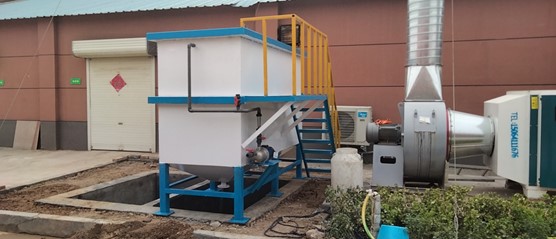
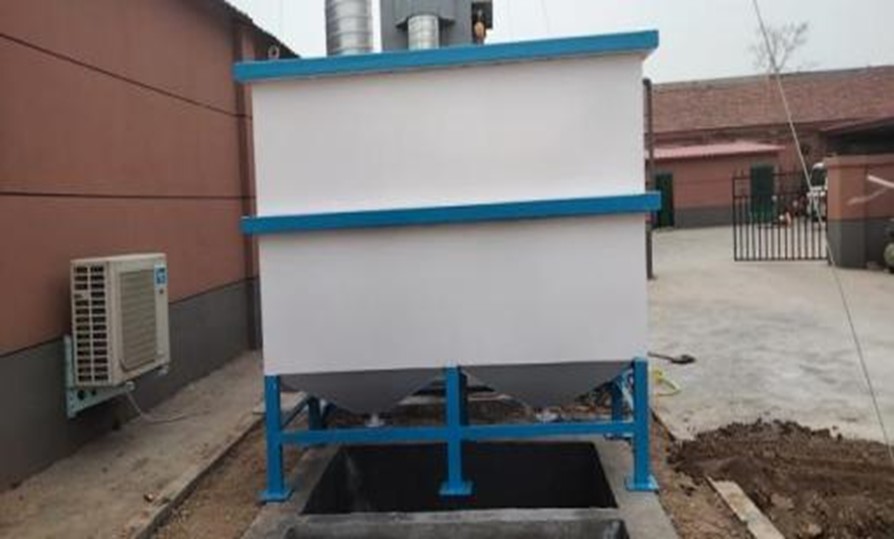
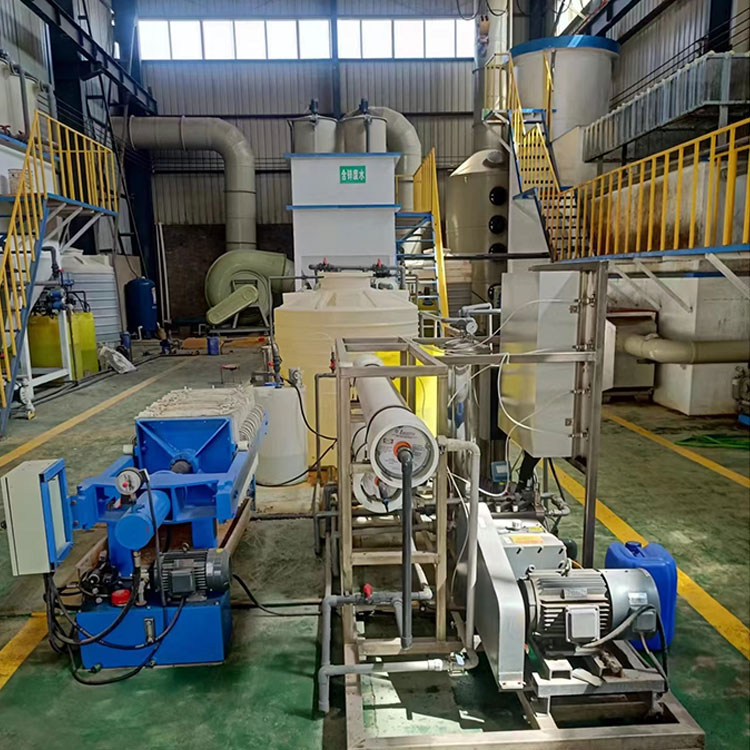
The Site Photos had very limited space reserved for wastewater treatment, making it impractical to construct conventional biological tanks and large secondary clarifiers.
High Sensitivity to Capital and Operating Costs:
As a small-to-medium-sized manufacturer, the client needed to avoid high chemical consumption, extensive civil works, and the cost of a dedicated professional operations team.
Discharge Compliance Pressure:
Wastewater generated from production-area cleaning contains organic matter, COD, flour-based suspended solids, and animal and vegetable oils. Failure to meet discharge requirements could result in regulatory penalties or production interruptions.
Core Process and Equipment
For this low-to-medium-strength organic wastewater stream with a relatively small treatment capacity, we designed a compact integrated process based on multi-stage biological treatment + Membrane Bioreactor (MBR) technology.
Process Flow
Hydrolysis and Acidification → Anoxic Treatment → Aerobic Treatment → MBR Membrane Filtration → Compliant Discharge
Core Equipment Minghua Use
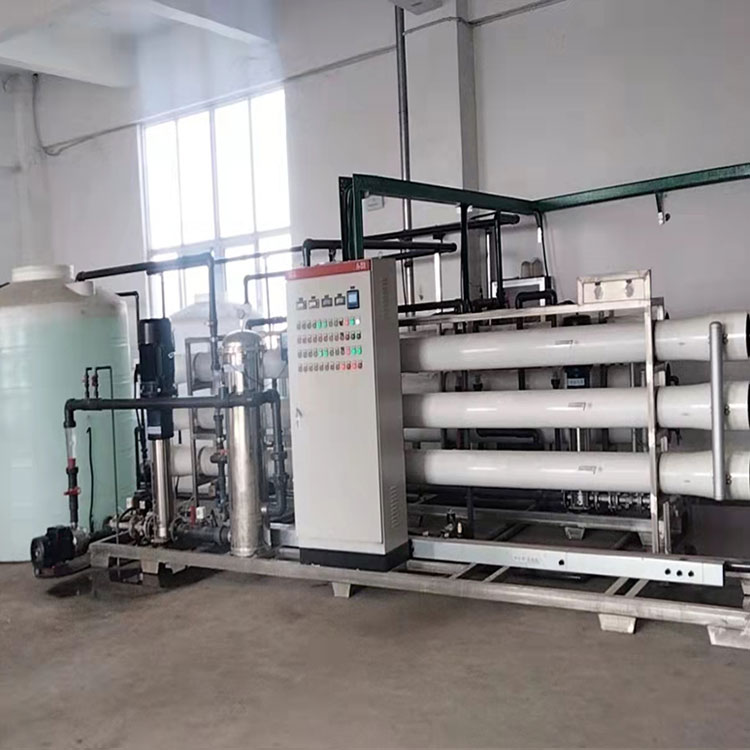
· Integrated MBR Wastewater Treatment System
· High-Flux MBR Membrane Modules
· Fully Automatic PLC Control System
Operational Performance and Project Benefits
The project has operated continuously and reliably for more than eight years, demonstrating strong corrosion resistance and good tolerance to wastewater quality fluctuations.
The system requires no routine chemical dosing and generates only basic electricity costs for operation. It provides a simple, low-carbon, and cost-effective wastewater treatment solution for small and micro-sized food manufacturers.
Influent and Effluent Performance
| Parameters | Details |
| Types of Waste Water | Food Effluent |
| Treatment Capacity | 50 m³/d |
| Technology | Biological |
| Discharge Standard | Integrated Wastewater Discharge Standard (GB 8978-1996) |
| Untreated/Inlet | COD≤1000 mg/L, Ammonia Nitrogen (NH₃-N)≤80 mg/L, Total Phosphorus (TP)≤10 mg/L |
| Treated/Outlet | COD≤100 mg/L, Ammonia Nitrogen (NH₃-N) ≤5 mg/L, Total Phosphorus (TP)≤1 mg/L |
Note: Based on project operating records, the treated effluent has remained clear and stable and is designed to meet the applicable municipal sewer discharge requirements.
FAQ
Will oils, starch, and flour solids cause frequent MBR membrane fouling?
The integrated system is configured according to the wastewater characteristics and includes appropriate upstream protection and membrane-cleaning measures. Continuous air scouring helps reduce sludge accumulation on the membrane surface and maintain stable filtration performance.
Under normal operating conditions, periodic online membrane cleaning is carried out as part of routine preventive maintenance. Cleaning frequency depends on actual wastewater quality and operating conditions.
Will the biological system fail during low-season shutdowns or holiday production stops?
No. The PLC system includes a Holiday / Standby Mode. When influent flow drops or production stops, the system automatically switches to low-frequency intermittent aeration and internal recirculation.
This maintains basic microbial activity and dissolved oxygen levels, helping prevent sludge decay and odor formation. Once production resumes, the system can return to normal treatment operation within 24 hours.
Is on-site installation complicated, and how long does commissioning take?
Installation is simple and fast. The system is fully prefabricated and skid-mounted at the factory, including pumps, blowers, piping, electrical controls, and MBR membrane modules.
After delivery, the client only needs to connect the influent line, effluent line, and main power supply. Mechanical installation and water commissioning can be completed in as little as 1–2 days, minimizing disruption to normal production.

 Henan Public Network Security Registration No. 41077102000244