

Electroplating Wastewater Treatment Solutions
In electroplating operations for machinery, hardware, and electronic components, processes such as pickling, activation, and multi-stage rinsing generate complex industrial wastewater containing heavy metals, acids, alkalis, salts, and metal complexes. These wastewater streams can create significant discharge-compliance, water-reuse, and operating-cost challenges for manufacturing facilities.
Core Challenges in Electroplating Wastewater
Complexed Heavy Metals
Electroplating wastewater may contain chromium, nickel, copper, zinc, cadmium, lead, and other heavy metals. Where chelating agents such as EDTA are present, stable metal complexes can reduce the effectiveness of conventional hydroxide precipitation and require more targeted treatment strategies.
Severe Water Quality Fluctuations
Frequent line changeovers and alternating acidic and alkaline rinse streams can cause significant flow and pH fluctuations. Without appropriate equalization and treatment control, these variations may affect system stability and effluent quality.
Strict Compliance Requirements
Electroplating facilities may be subject to local discharge permits, industrial-park requirements, and municipal sewer acceptance criteria. Non-compliant heavy metal discharge can lead to regulatory action, corrective requirements, financial penalties, and potential production disruption.
Why Choose Minghua
Minghua provides tailored wastewater treatment system integration for electroplating manufacturers. Rather than applying a one-size-fits-all process, we configure treatment solutions around actual wastewater characteristics, metal species, discharge requirements, site constraints, water-reuse targets, and operating-cost considerations.
- Compliance-Oriented Design: Treatment systems are configured to support applicable local discharge and sewer acceptance requirements.
- Water Reuse Options: Membrane separation and concentration processes can support treated-water reuse where water quality meets the intended process requirements.
Tailored Treatment and ZLD Pathways
We combine process selection, equipment integration, automation, installation support, and commissioning for site-specific electroplating wastewater projects.
Standard Compliance Treatment
For general electroplating wastewater, pH adjustment, physicochemical treatment, and further polishing processes may be used to reduce suspended solids, neutralize pH, and lower selected pollutants.
Heavy metal-bearing rinse water can be treated separately using chemical precipitation, ion exchange, electrolytic recovery, or other targeted methods selected according to metal species, concentration, complexation conditions, and discharge targets.
Water Reuse and ZLD Options
For projects with strict discharge or reuse requirements, treated wastewater may be further polished through UF and RO.
RO permeate may be reused where quality requirements are met, while RO concentrate can be further managed through MVR evaporation, crystallization, and solids handling as part of a project-specific ZLD pathway.
Smart PLC Automation
The system can include remote monitoring, automated chemical dosing, sludge discharge, level interlocks, and online operating-status monitoring to reduce manual intervention and support consistent daily operation.
Core Equipment
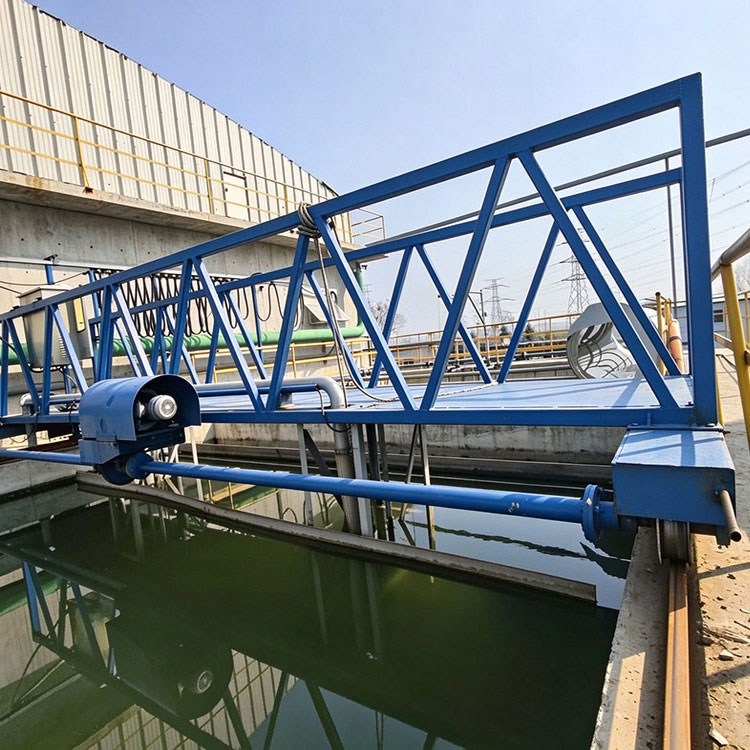
- Dissolved Air Flotation (DAF) System:Separation of suspended solids, oils, and chemical flocs
- Automated Chemical Dosing System:Controlled chemical dosing for stable treatment performance
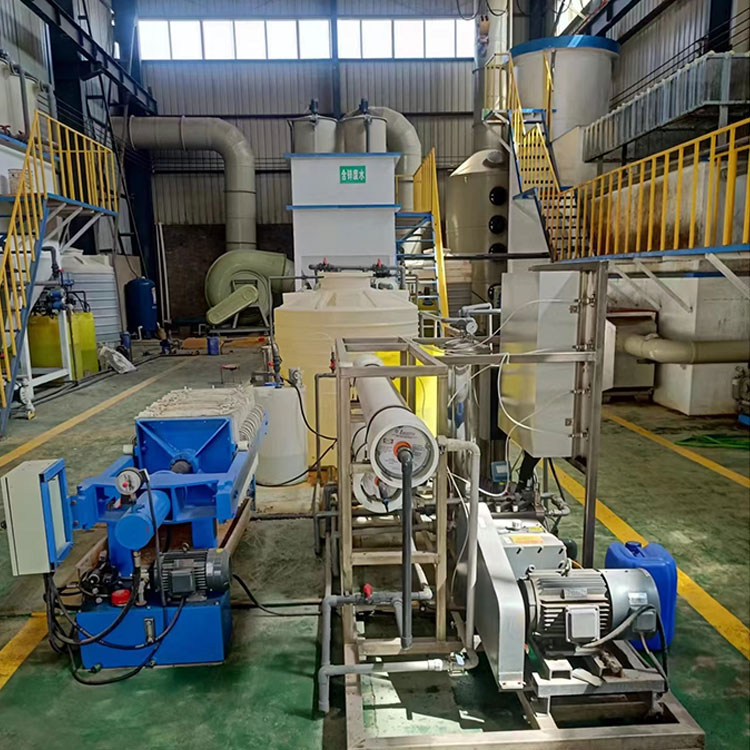
- Ultrafiltration (UF)&Reverse Osmosis (RO) Systems:Membrane filtration for desalting and treated-water reuse
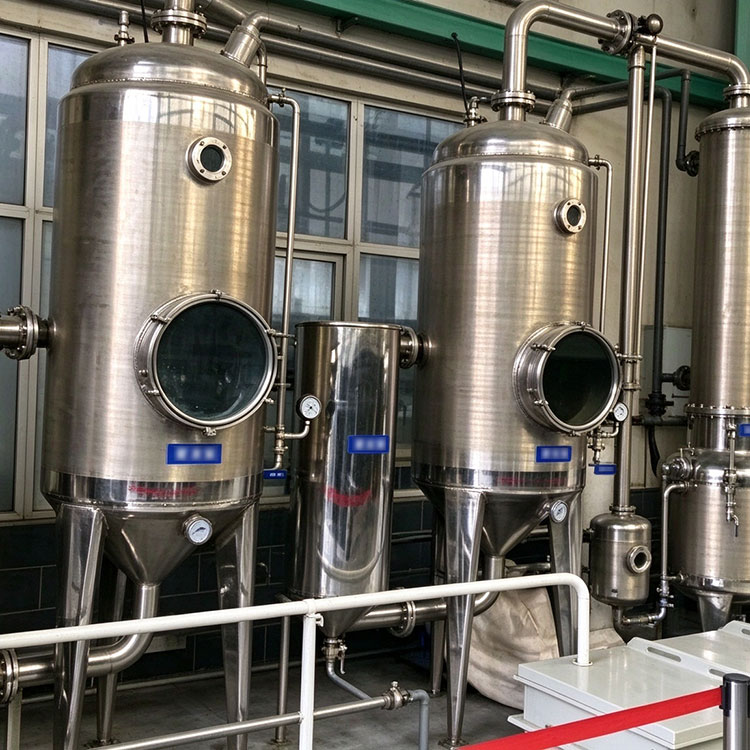
- MVR Evaporator:Mechanical vapor recompression for brine concentration and ZLD integration
- Plate and Frame Filter Press:Sludge dewatering for downstream handling and disposal
More Cases


 Henan Public Network Security Registration No. 41077102000244