河南名华环保科技有限公司 LOGO

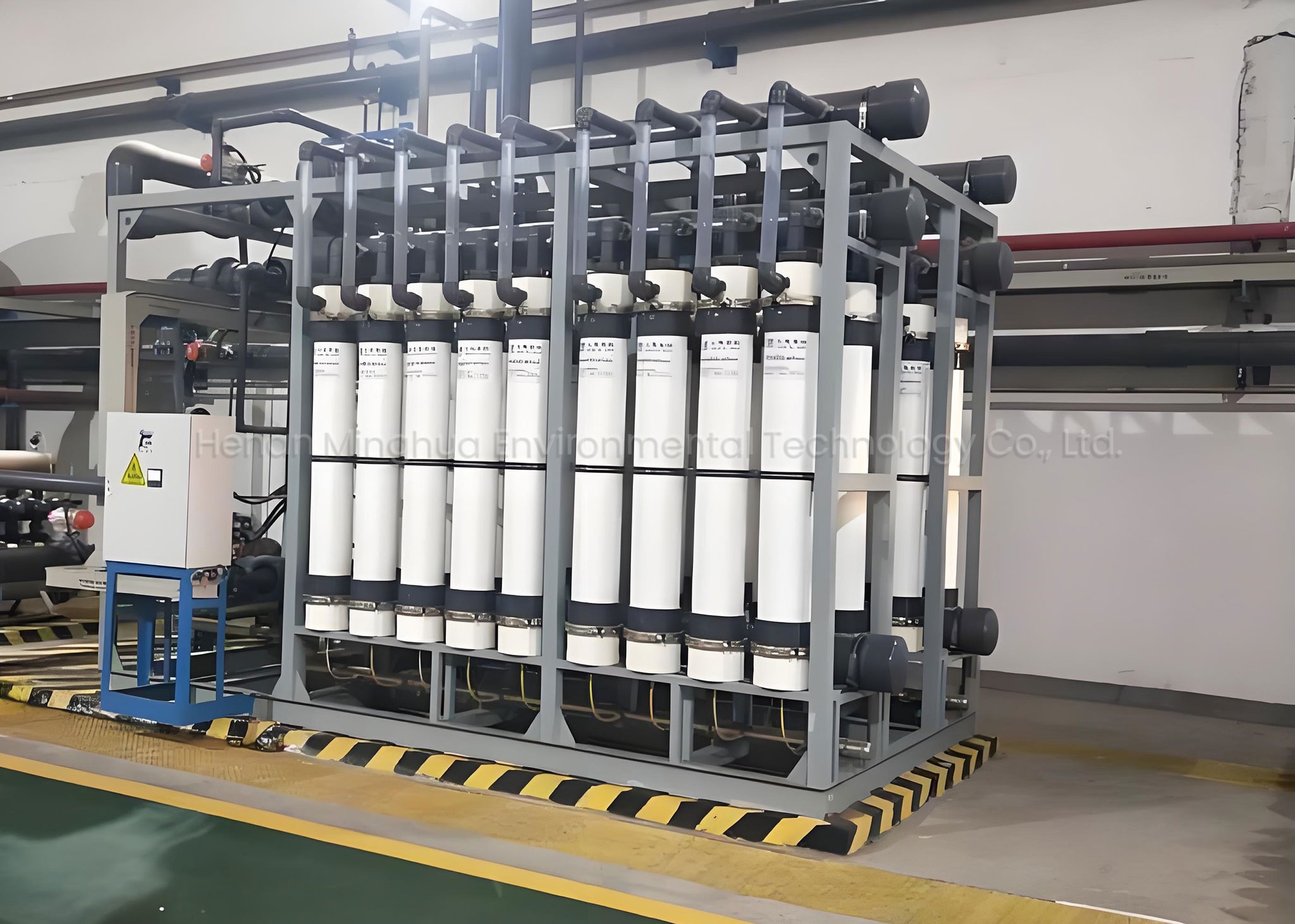
UF (Ultra Filtration)

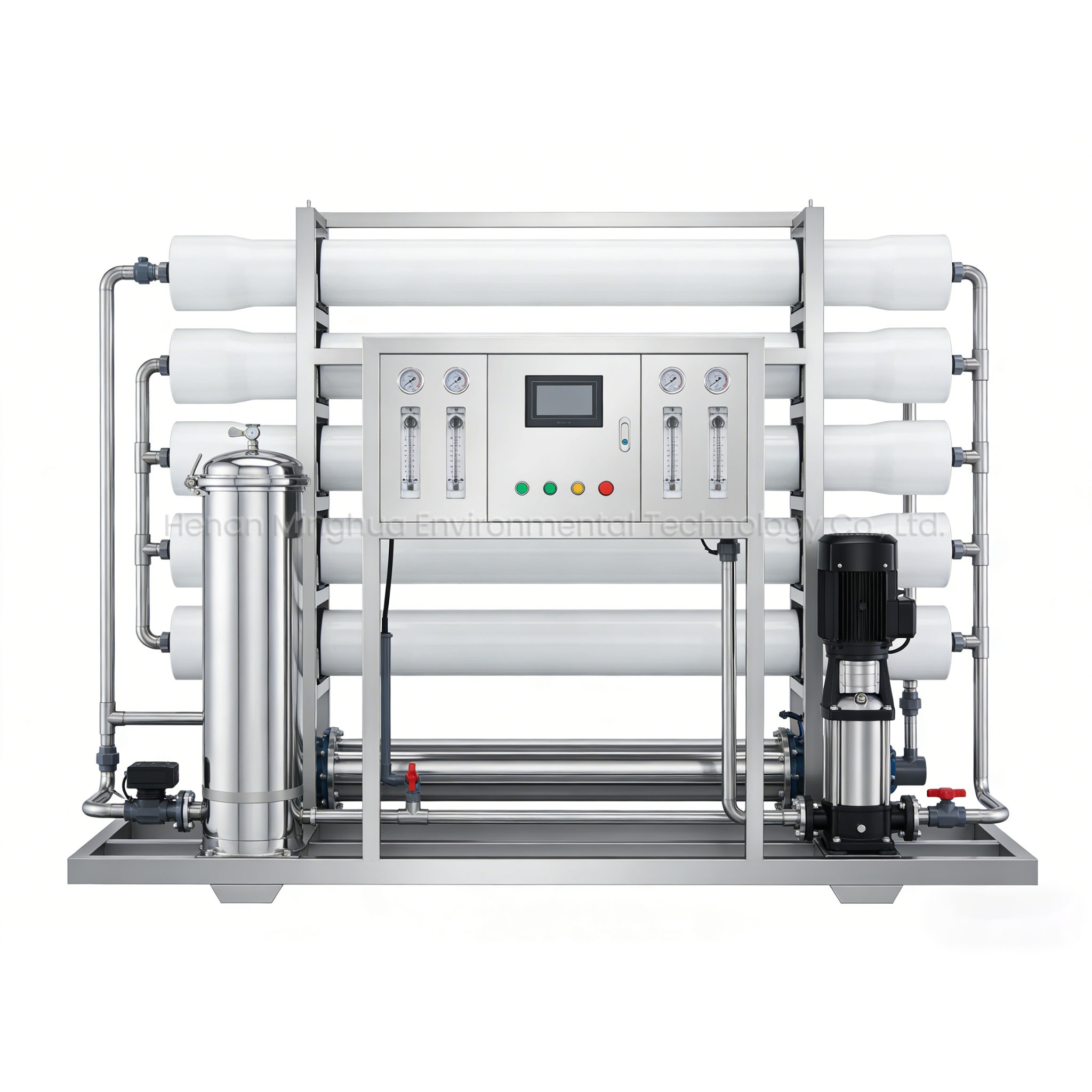
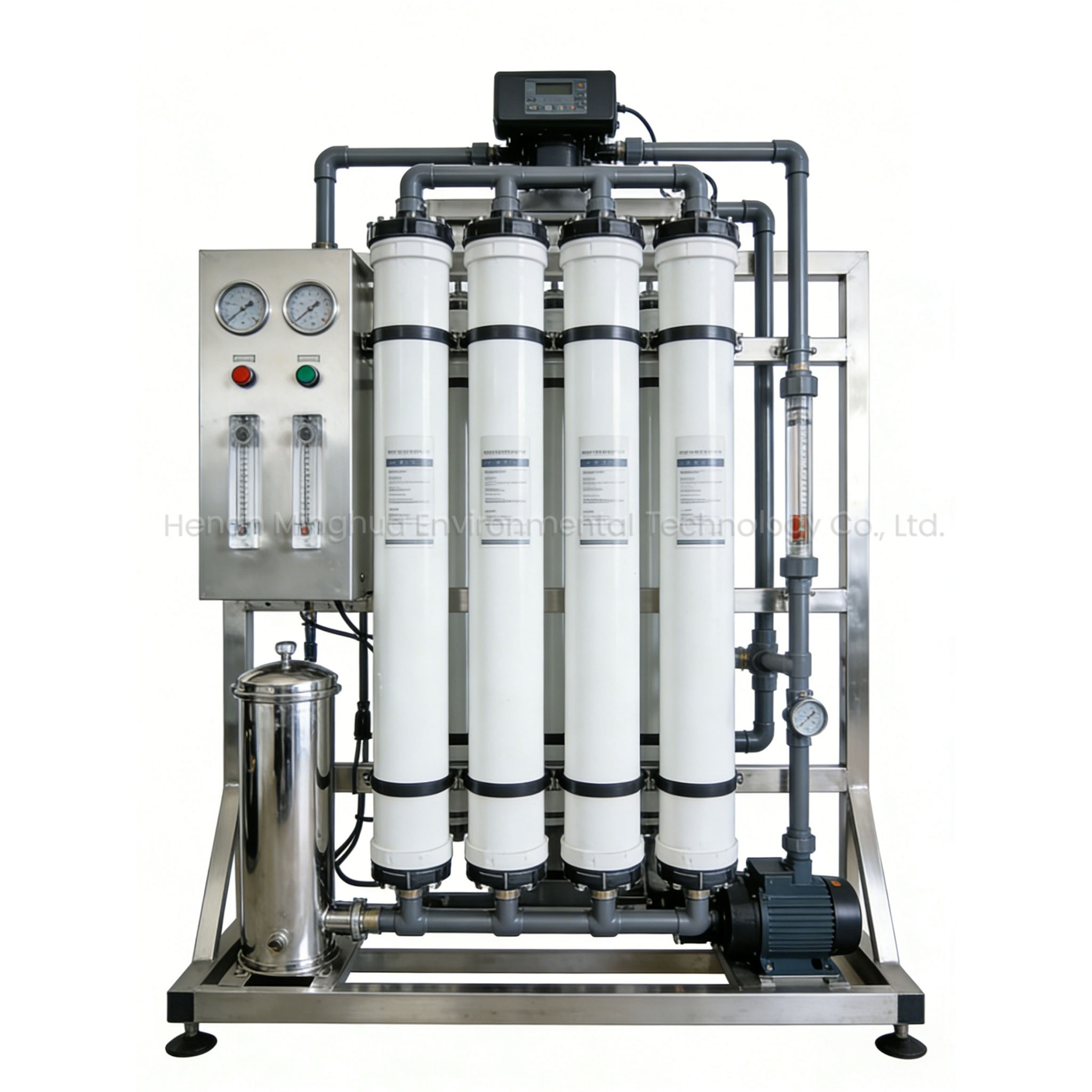
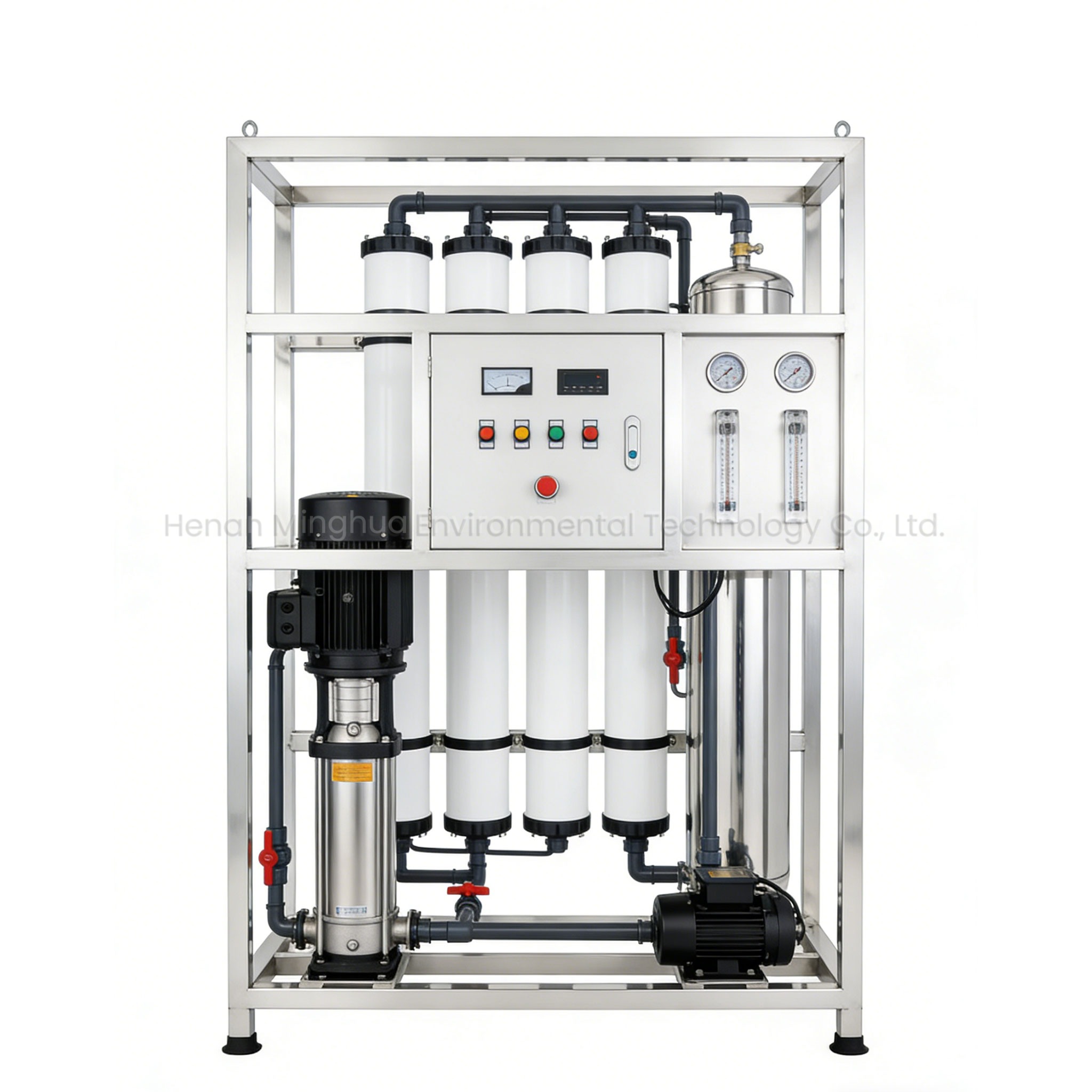
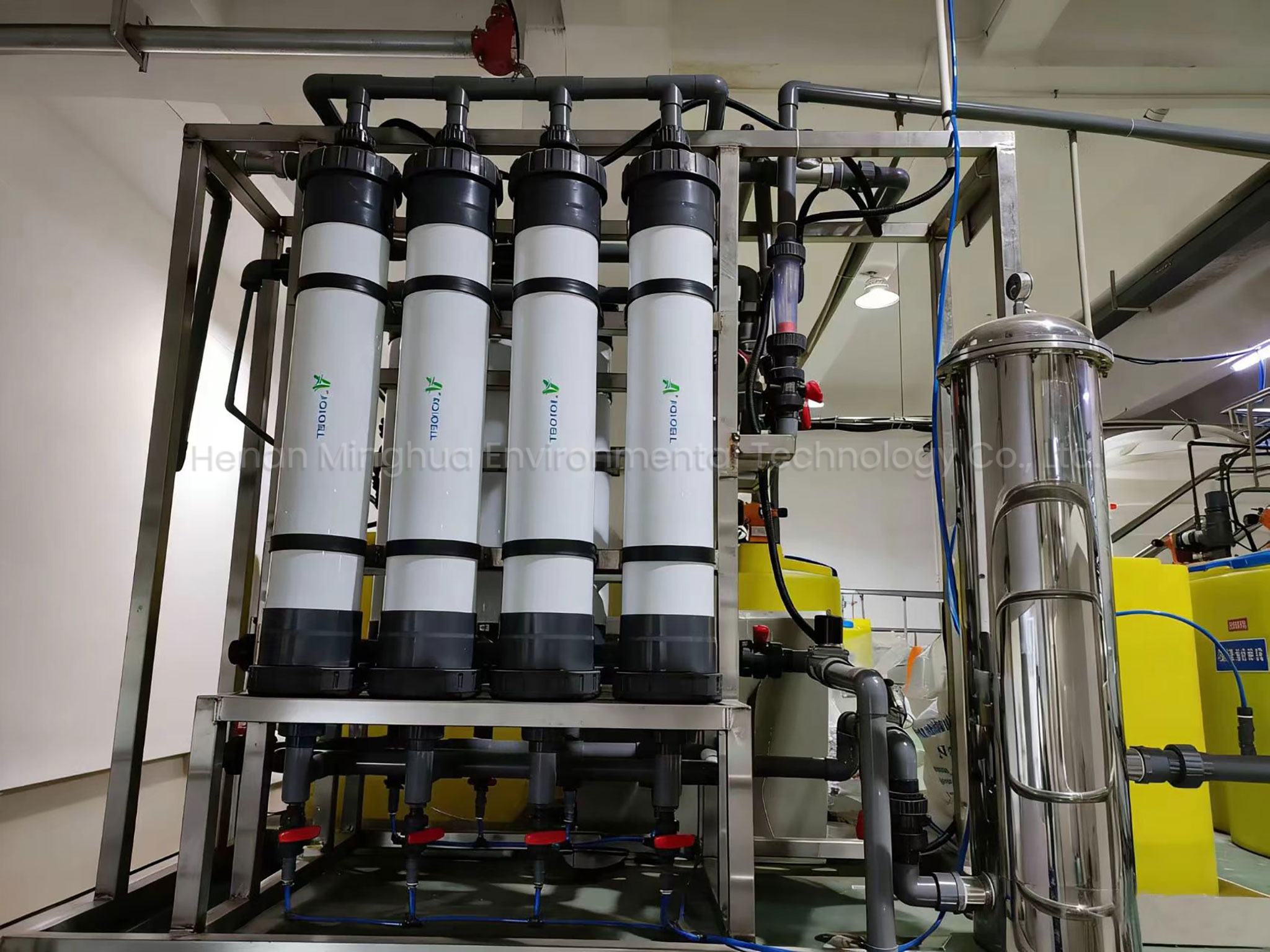
Description:Ultrafiltration is a pressure-driven membrane separation technology that uses the microporous structure of the membrane surface to selectively separate liquids. Its core principle is that under external pressure, small molecular substances and solvents can pass through the membrane pores, while macromolecules and particles are intercepted, thereby achieving the goals of purification, separation, and concentration.
Key Advantages:Compact design, fully automated operation, low energy consumption, easy management, simple operation.
Applications:Reclaimed water reuse across all industries.
Efficiency: 2-100 m³/h,Influent SS ≤ 200 mg/L,Effluent SS ≤ 10 mg/L
Inquire Now
  • Products Details
  • Functional Logic
  • Application Scenarios
  • Customized Service
  • Core Advantages
ParametersContents
Model / SpecificationsMHCL-X (X = Processing volume m³/h)
Treatment Capacity2-100 m³/h
Influent Water QualityInfluent SS ≤ 200 mg/L
Effluent Water QualityEffluent SS ≤ 10 mg/L
Material OptionsOrganic Fiber Membrane
Overall DimensionsL: 1000-8000 mm
W: 1000-2000 mm
H: 2000 mm
Core Treatment TechnologyFiltration Method
Core Components & ConfigurationsWater pump, UF membrane, Flow meter, Solenoid valve, Control cabinet, Backwash system
Operating Power1.5 KW - 20 KW
Installation MethodAbove-ground
Operation ModeFully Auto PLC & Manual
Backwash Cycle30 s backwash / 30 min interval

FAQ

Q1: What is the difference between Ultrafiltration (UF) and Reverse Osmosis (RO)?

Ultrafiltration (UF) removes suspended solids, colloids, and bacteria without removing dissolved minerals, serving primarily as pretreatment. Reverse Osmosis (RO) removes dissolved ions, heavy metals, and salts to produce purified water, acting as the core desalination and purification stage.

Q2: What causes turbid UF permeate or declining membrane flux?

Flux drop and turbidity issues are typically caused by membrane surface fouling, inadequate upstream filtration, high influent TSS, or delayed backwashing. Quick fix: Perform routine hydraulic backwashing, inspect for broken membrane fibers, and run periodic chemical cleaning (CIP/CEB) to restore permeate flux.

Q3: What is the typical service life of Ultrafiltration membranes?

Under standard operating conditions and proper maintenance protocols, UF membranes typically last 2 to 3 years. Routine hydraulic backwashing and scheduled chemical maintenance prevent irreversible fouling and extend overall membrane service life.
Copy linkWeChatFacebookLinkedInWhatsAppPinterest

Functional Logic:

Raw water → Pump → Pre-treatment → UF Membrane Module → Product Water

Core Mechanism

Ultrafiltration uses ultra-fine hollow fiber membranes to "sieve" water through a physical barrier under pressure.

Permeate (Product Water): Water molecules and minerals pass through the membrane pores.

Reject (Concentrated Water): Suspended solids, colloids, sediment, rust, bacteria, and macromolecules are intercepted outside the membrane.

Key Advantages

Superior filtration precision over conventional sand/carbon filters, delivering consistent and stable effluent quality.

Parameters Contents
Municipal / Water Treatment Plants
  • Pre-treatment and advanced treatment for water plants
  • Centralized water purification for residential communities and townships
  • Purification of reservoir water, river water, and groundwater
污水处理 & 中水回用
  • Advanced treatment of domestic sewage and hospital wastewater
  • Post-filtration for integrated wastewater treatment equipment
  • Reclaimed water reuse for industrial parks and factory areas
  • Car washing, landscaping, road sprinkling, and circulating water replenishment
Reverse Osmosis (RO) Pre-protection
  • Used as pre-treatment for RO reverse osmosis equipment
  • Protects RO membranes from clogging by suspended solids and colloids
  • Front-end of pure water systems for printing and dyeing, electroplating, electronics, and chemical industries
Food, Beverage, and Alcohol Industries
  • Clarification and filtration of fruit juices and beverages
  • Turbidity removal and purification for alcohol products
  • Purification of mineral water and mountain spring water
Pharmaceutical and Hospital Use
  • Hospital water purification systems and laboratory water
  • Front-end pre-treatment for pharmaceutical purified water
  • Water purification for operating rooms and supply rooms
Industrial Circulating Water / Cooling Water
  • Central air conditioning circulating water filtration
  • Side-stream filtration for industrial circulating cooling water
  • Removal of suspended solids, algae, and colloids
Mining and Printing & Dyeing
  • Purification and reuse of mining wastewater
  • Decolorization and reuse of printing and dyeing wastewater


Parameters Contents
Airflow Capacity Customizable equipment sizes tailored to specific processing volume
Remote Monitoring Optional remote monitoring system integration.
Disinfection Module Customizable disinfection modules based on effluent discharge destinations
Parameters Contents
Performance · Guaranteed Compliance: Delivers consistently stable effluent that meets all discharge standards.
· High Throughput : Optimized system design ensures superior treatment efficiency and rapid processing.
· Operational Resilience: Strong resistance to shock loads (both volume and concentration), ensuring stable operation even under fluctuating influent conditions
Operation Fully automated PLC control with unmanned operation.
Customizable HMI touchscreen for intuitive and user-friendly operation.
Maintenance ·Modular core components for easy disassembly, coupled with simplified backwash procedures.
·Extended service cycles significantly reducemanual maintenance and operational costs.
Adaptability · Versatile Adaptability: Handles diverse influent water qualities.
· Support modular expansion for future capacity upgrades.


+86-13903738003