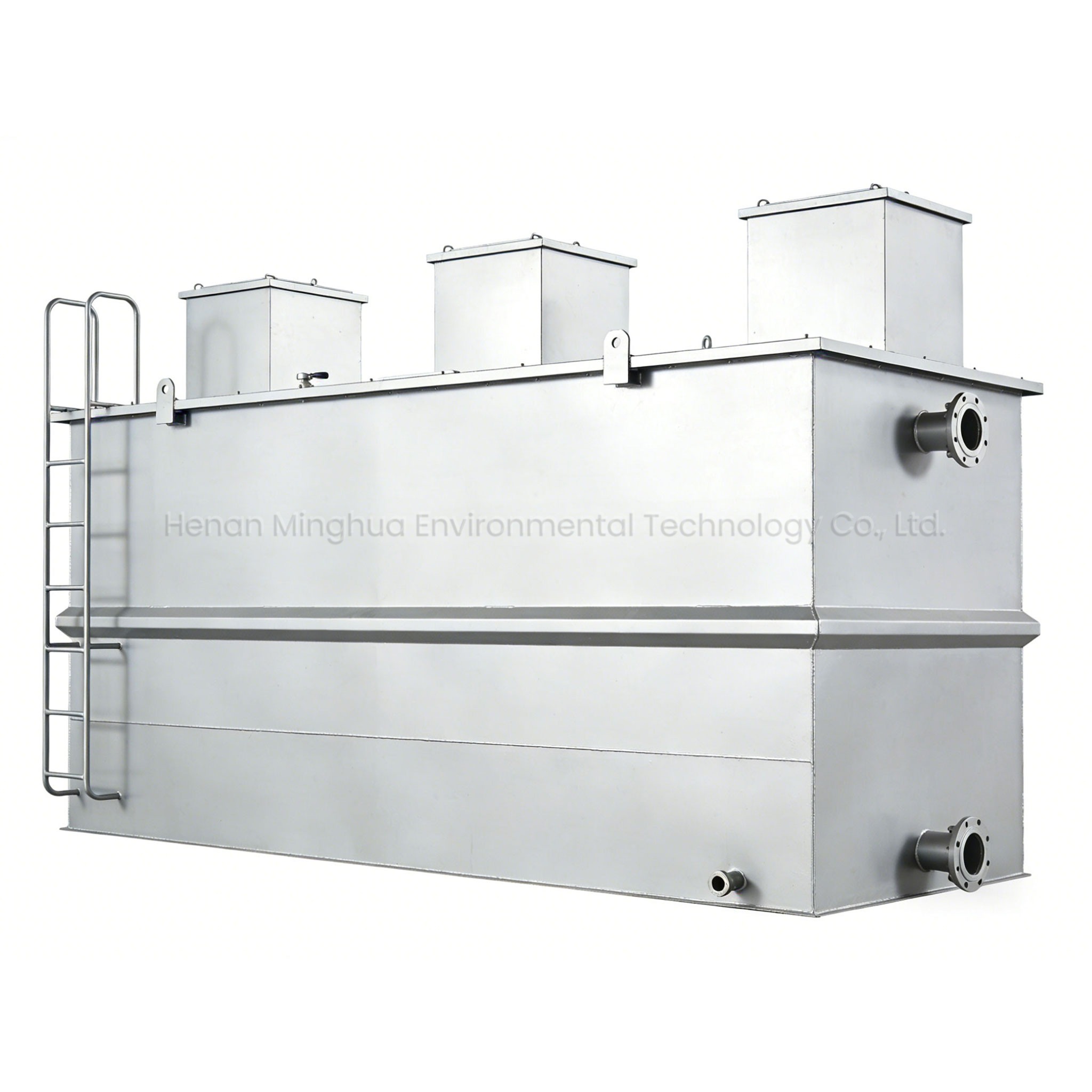

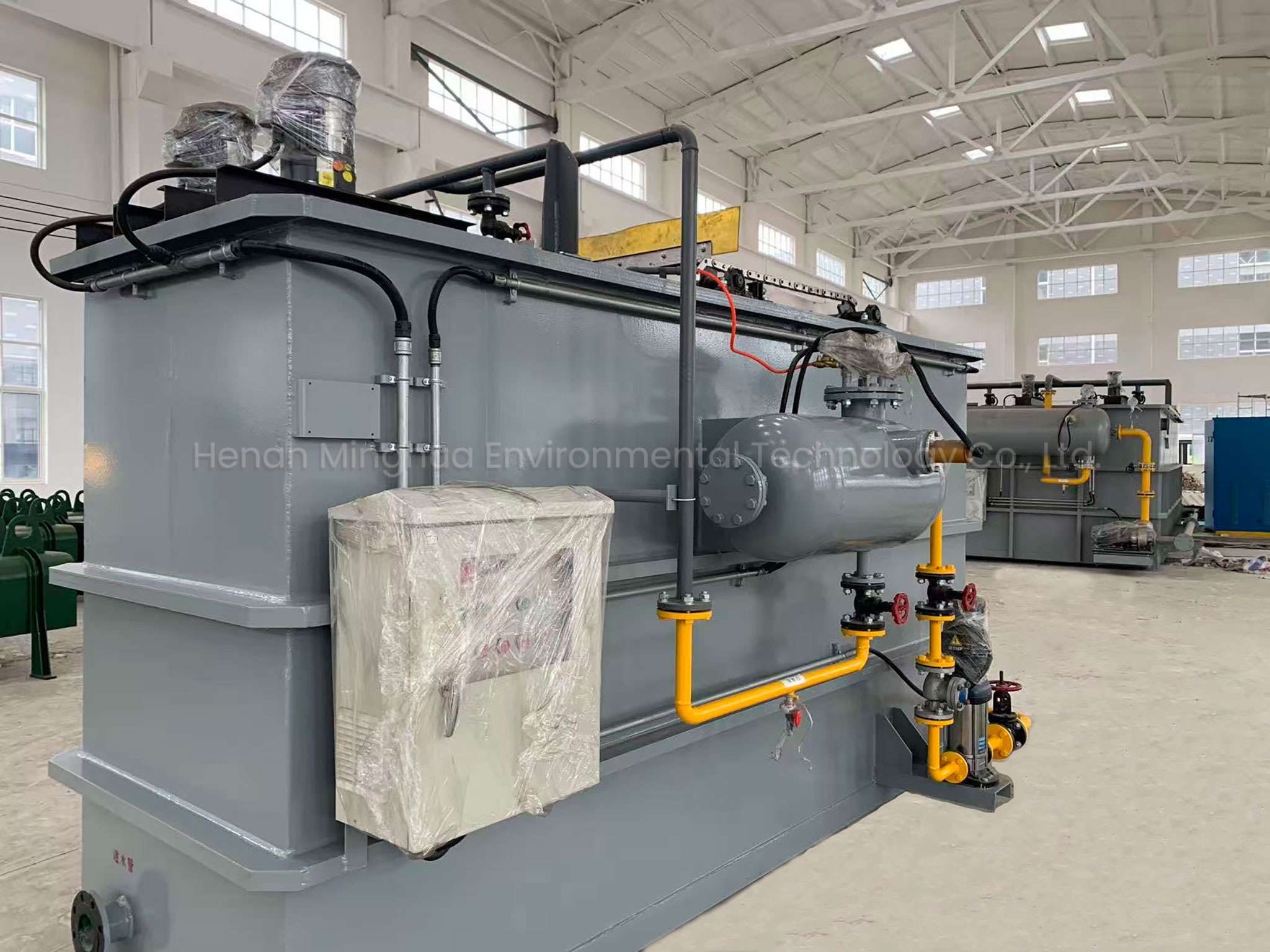
Dissolved Air Flotation

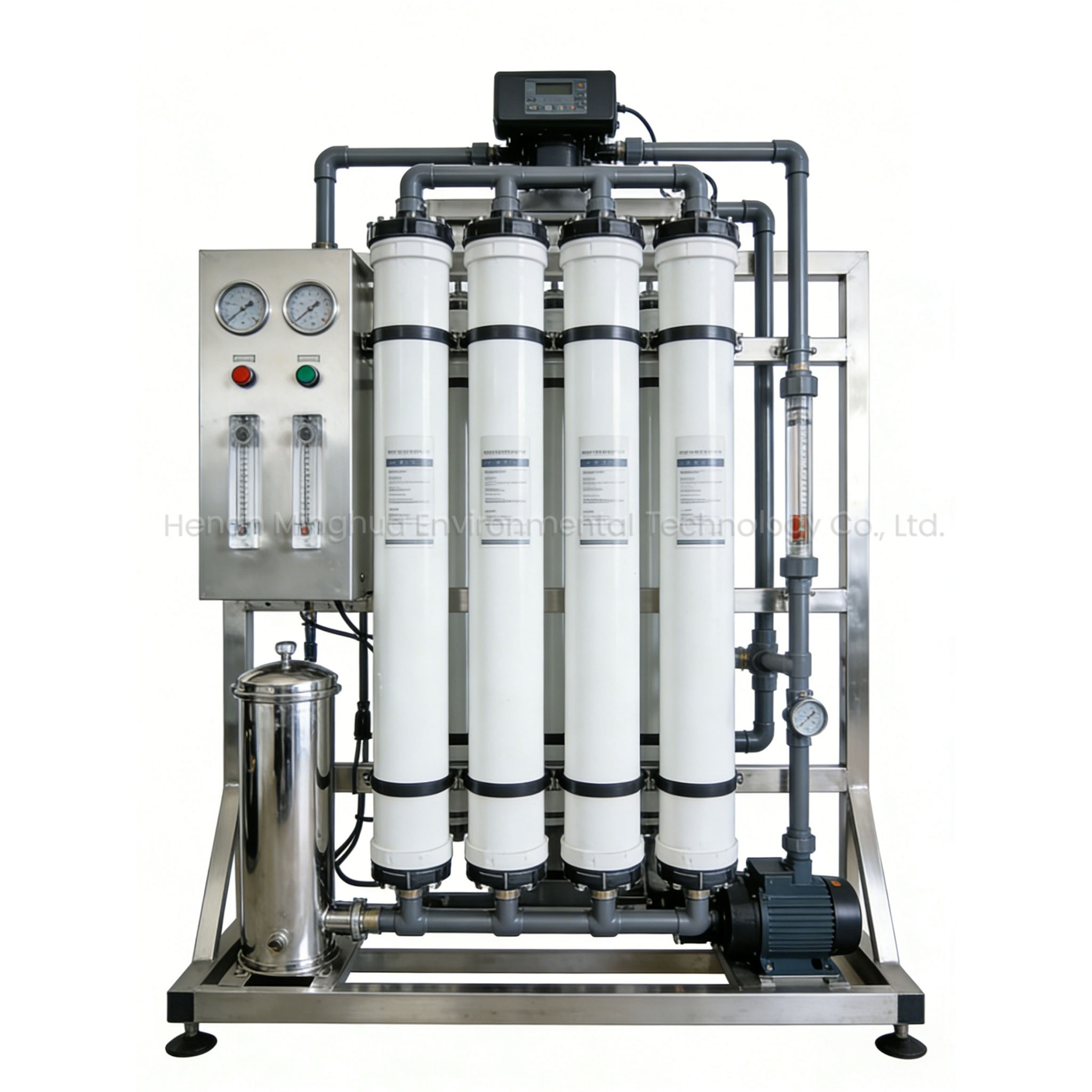
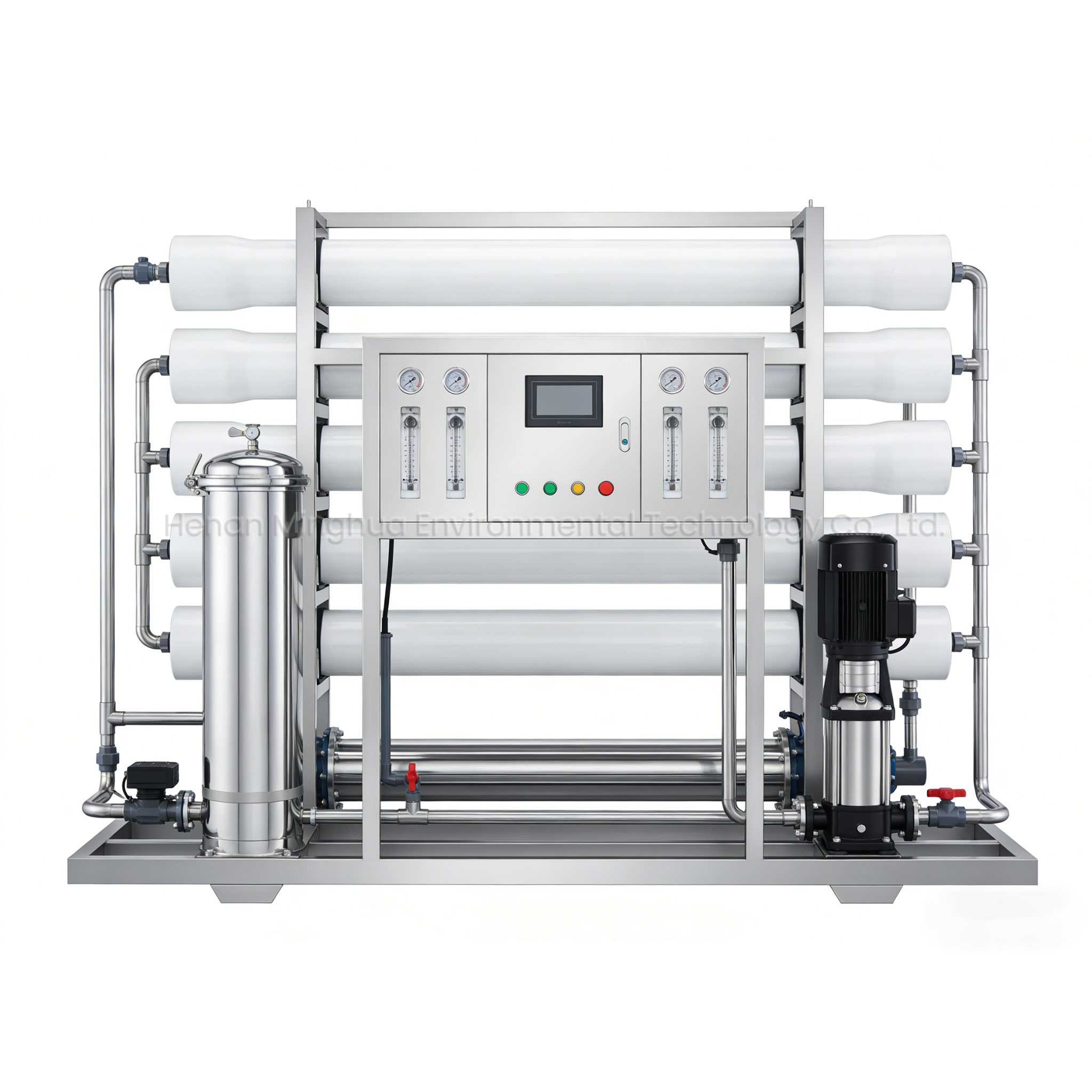
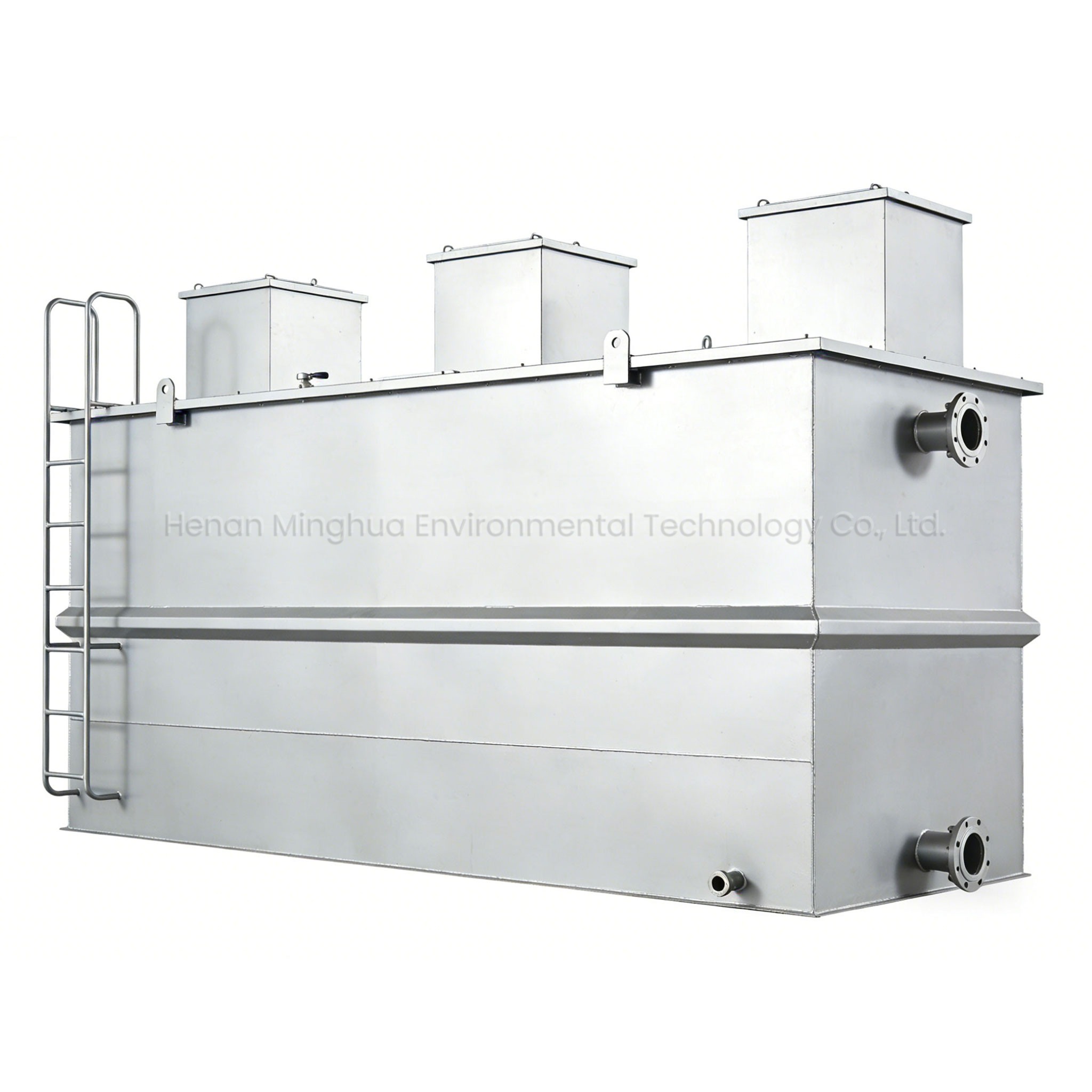
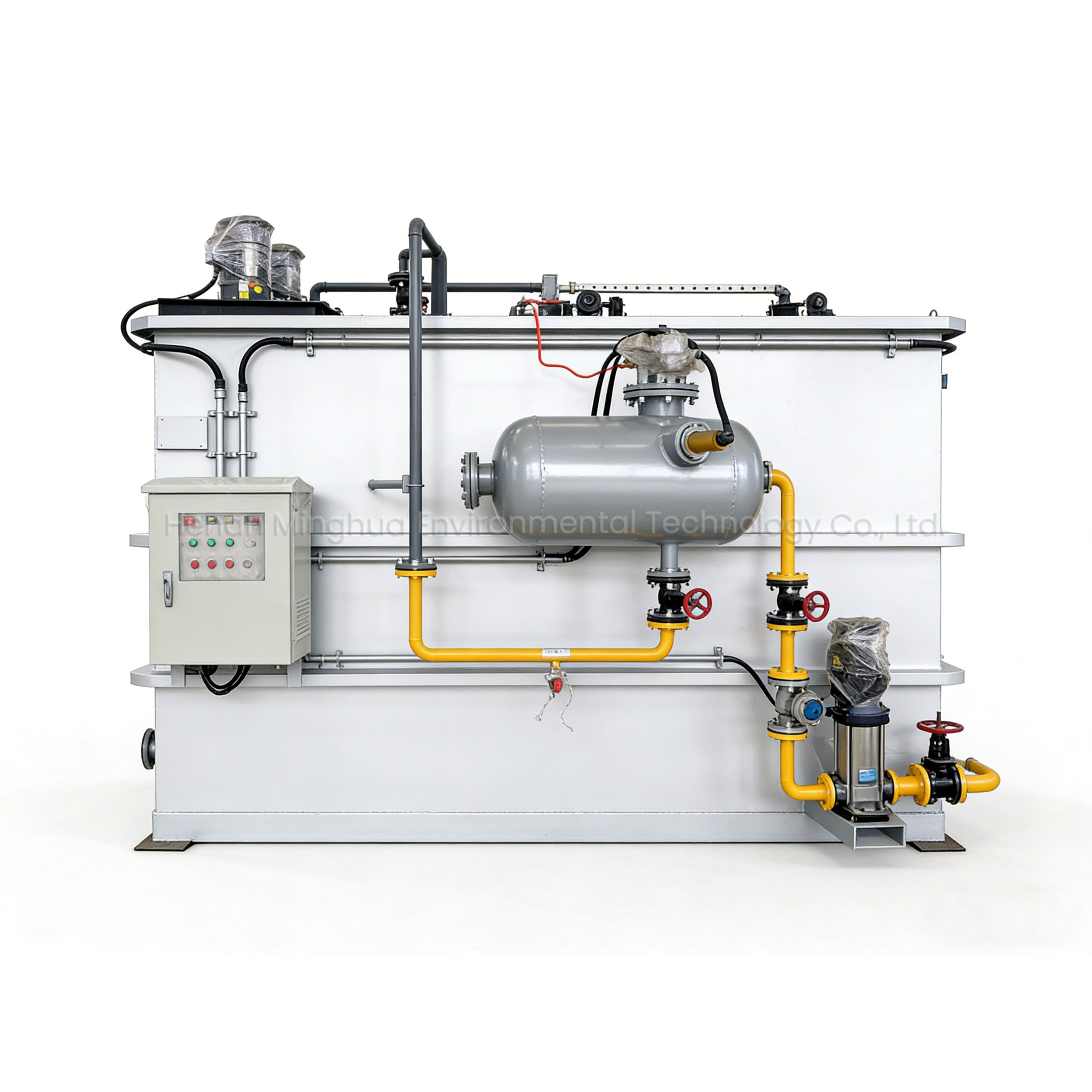
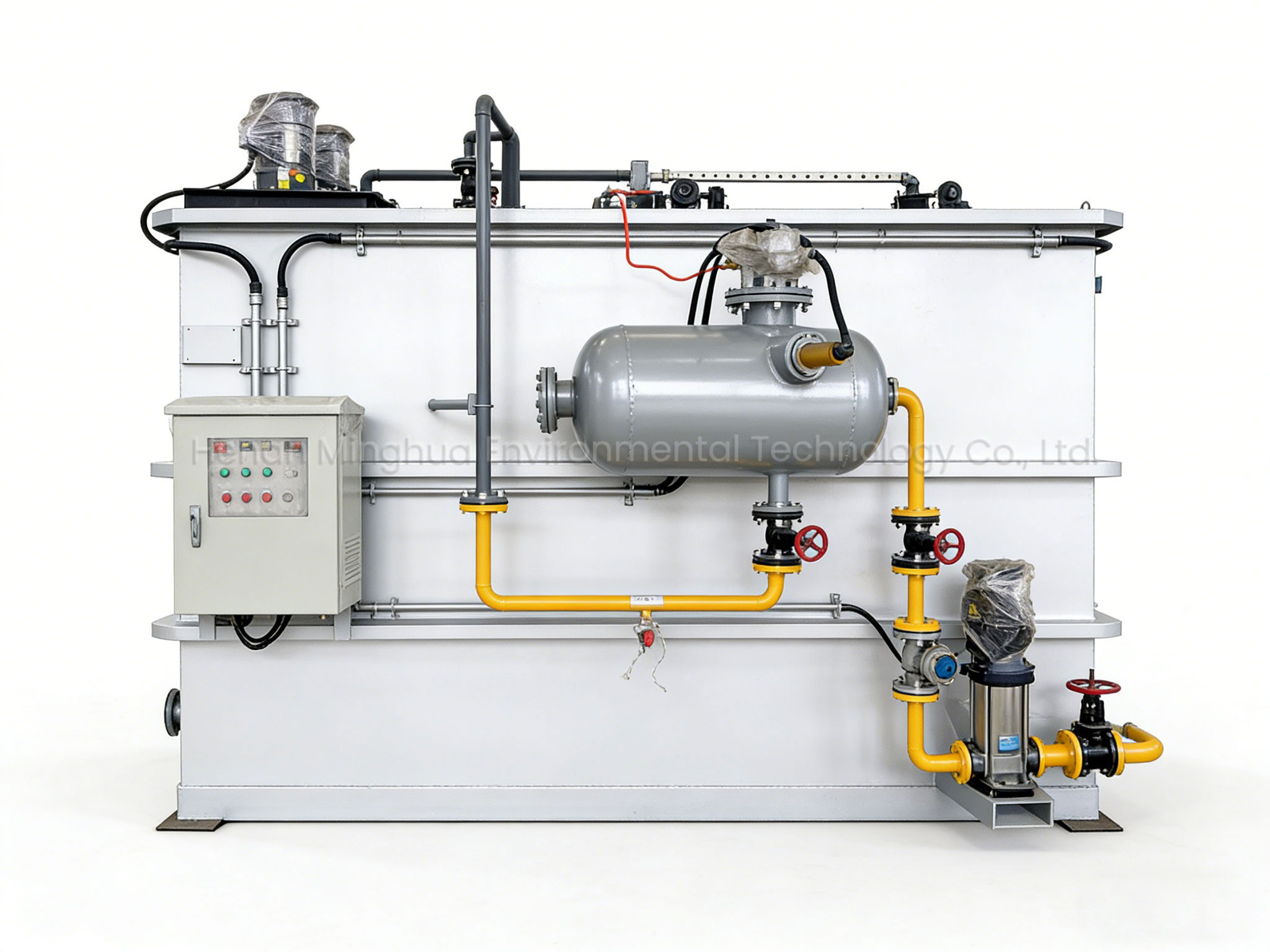
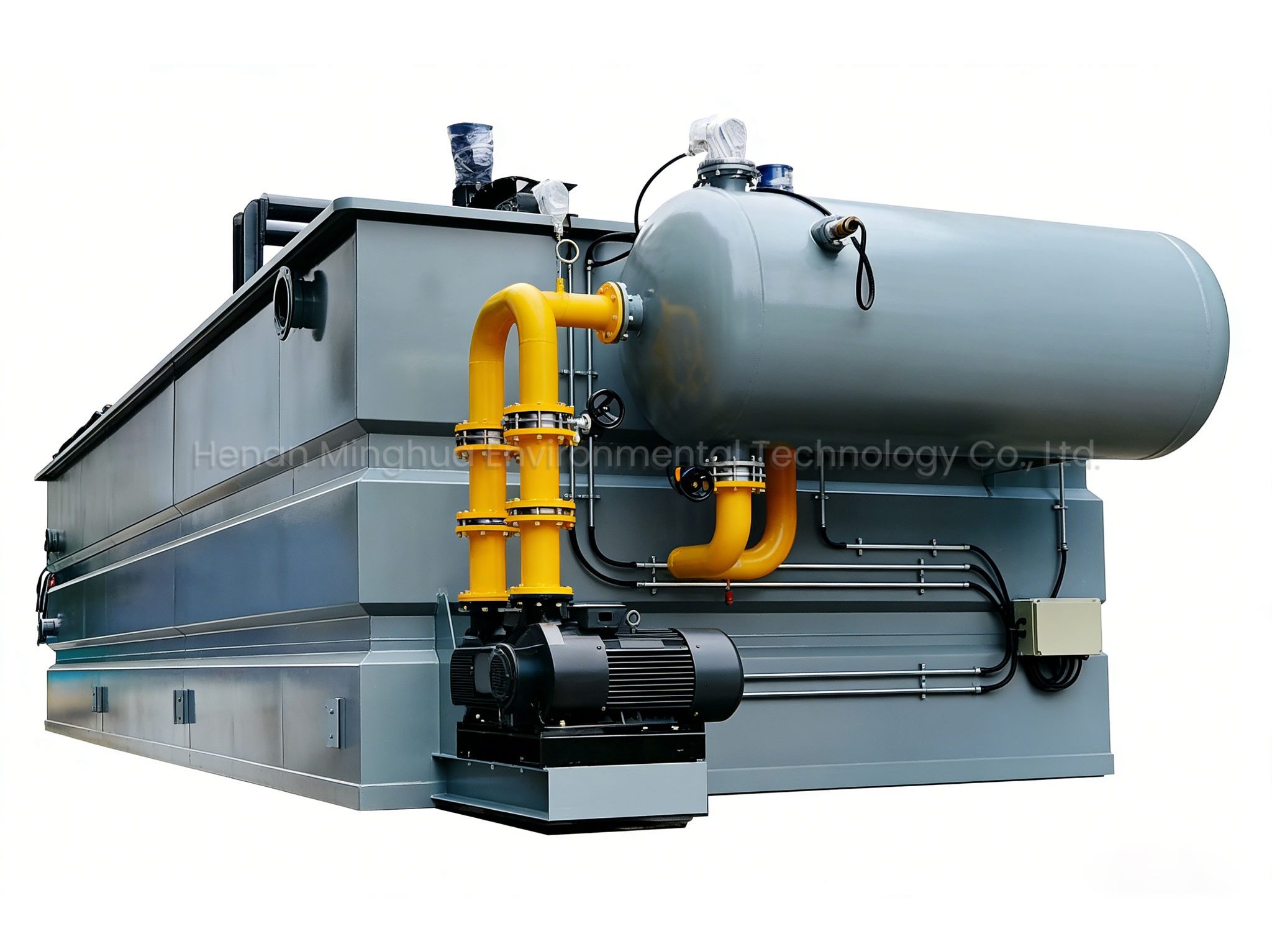
Description: The DAF system uses dissolved air to release micro-bubbles, which adsorb suspended solids in the water and float them to the surface. Through scum scraping and separation, it efficiently treats wastewater containing oil and suspended solids.
Key Advantages: Compact Design, Fully automated, low energy consumption, easy management.
Applications: Removal of various heavy metal ions; industries such as electroplating, chemical, textile, food, paper, petrochemical, leather, etc.; biological treatment, sludge thickening, purification, etc.
Efficiency: 5-100m³/h
Inquire Now
  • Details
  • Functional Logic
  • Applications & Tailored Solutions
  • Customized Service
  • Core Advantages
ProjectContents
Model / SpecificationsMHQF-X X = Processing volume m³/h
Treatment Capacity5-100m³/h
Effluent Water QualityCapable of removing SS, oils, and a small amount of COD (20%-30%)
Material OptionsAnti-corrosive Carbon Steel, Stainless Steel
Overall DimensionsL: 1500-12000 mm
W: 1000-4800 mm
H: 1300-2500 mm
Core Treatment TechnologyDissolved air - Gas release - Adhesion - Skimming separation
Core Components & ConfigurationsMain motor, Air compressor, Skimmer, Mixer, Dissolved air tank, Automatic control cabinet, High-pressure pump
Operating Power2-28kW
Operation ModeFully Auto PLC, Manual, Remote
Dissolved Air Pressure (MPa)0.4-0.8MPa
Skimming SpeedAdjustable


Copy linkWeChatFacebookLinkedInWhatsAppPinterest
Project Contents
Functional Logic Core Mechanism — Micro-bubble Adsorption & Buoyancy Separation The DAF system uses a vast number of micro-bubbles as carriers to adhere to impurities, allowing them to rise to the surface for separation.
Process Steps Air Dissolving: A portion of treated water is recirculated and pressurized in the Air Dissolving Tank, where it is saturated with air.
Air Releasing: The saturated water passes through a releaser to reduce pressure, releasing ultra-fine micro-bubbles.
Adhesion: Micro-bubbles collide and bond with suspended solids (SS), oils, and colloids, forming low-density "gas-solid" complexes.
Flotation & Separation:
· Scum Removal: The complexes float to the surface to form a scum layer, which is removed by a skimmer.
· Clarified Water: Cleaned water is discharged from the bottom of the tank.
Key Advantages Superior Skimming & Release Quality
Ultra-fine Micro-bubble lead to very high solids removal efficiency
Optimal Air-Dissolution Efficiency,Robust & Reliable Performance
Seamlessly Integrated Control System


Project Contents
Food Processing & Slaughtering Slaughtering, Meat, and Aquatic Processing: Removal of fats, grease, blood stains, proteins, and suspended solids.
Dairy, Beverage, Brewing, and Starch/Soy Products: Removal of emulsions, starch, colloids, and COD.
Catering / Central Kitchens: Oil separation + residue removal; replaces traditional oil interceptors.
Paper-making & Fiber Processing White Water Recovery,Clean water recycling and reuse.
Middle-stage Wastewater / Black Liquor: Removal of short fibers, fillers, colloids; reduction of SS/COD.
Petrochemical & Oily Wastewater Refining and Oilfields: Separation of floating oil, emulsified oil, and dissolved oil.
Machining, Automotive/Parts, and Steel Rolling: Treatment of cutting fluids, emulsions, cleaning wastewater, and metal powders.
Ships, Ports, and Gas Stations: Pre-treatment of oily sewage.
 Textile, Printing, Dyeing & Chemical Fiber Dyeing & Printing: Removal of dye particles, sizing agents, fibers, chroma (color), and COD.
Chemical Fiber Wastewater: Removal of short fibers, oil agents, and colloids.
Electroplating & Metal Surface Treatment Heavy Metal Removal: Removal of Cu, Ni, Zn, Cr, etc., phosphating slag, emulsified oil, and suspended solids.
Electrolytic Air Flotation: Capable of simultaneous oxidation, complex-breaking, and decolorization.
Municipal & Urban Wastewater Pre-treatment: Replaces primary sedimentation tanks; removes SS, grease, and algae to reduce biochemical load.
Advanced Treatment / Upgrading: Phosphorus removal, turbidity reduction, and algae removal to meet Class 1-A / Quasi-IV standards.
Sludge Thickening: Increases sludge solid content and reduces disposal costs.
Electronics & Semiconductors Ultrapure Water Front-end: Removal of micro-particles, colloids, and organic matter.
Cleaning Wastewater & Etching Solutions: Pre-treatment of heavy metals and fluorides.
Pharmaceuticals & Chemicals Biopharmaceuticals and APIs: Removal of mycelium, proteins, colloids, and suspended solids.
Fine Chemicals and Pesticides: Removal of emulsified oils, organic solvent droplets, and hard-to-settle suspended solids.
Other High-frequency Industries Aquaculture / Livestock: Purification of manure/waste and breeding water; pre-treatment for ammonia nitrogen removal.
Car Wash / Auto Repair: Reuse of oily and silty cleaning wastewater.
Rivers, Lakes, and Landscapes: Algae removal, turbidity reduction, and ecological restoration.
Seawater Desalination: Pre-treatment for algae and colloid removal.


Project Contents
Treatment Capacity Customizable equipment sizes tailored to specific processing volume
Material Options Optional anti-corrosive carbon steel/stainless steel housing
Remote Monitoring Optional remote monitoring system integration


Project Contents
Performance · High Throughput: Optimized system design ensures superior treatment efficiency and rapid processing
Cost Advantage · Low total cost of ownership driven by minimal OPEX
· Optimized Space: Reduced footprint allows for flexible installation in space-constrained sites
· High Efficiency: Low energy consumption achieved through advanced system integration
Operation Fully automated PLC control with unmanned operation
Customizable HMI touchscreen for intuitive and user-friendly operation
Materials & Durability Carbon steel (anti-corrosion) 5+ years
Stainless steel 10+ years
Actual lifespan varies significantly depending on water quality
Adaptability · Versatile Adaptability: Handles diverse influent water qualities


+86-13903738003