


3,000 t/day High-Strength Wastewater Treatment Project for Frozen and Cold-Chain Food Manufacturing
Project Overview
Project Background and Key Challenges
Following a major production expansion, with annual sales reaching RMB 400–500 million, the client’s existing 200 t/day wastewater treatment plant could no longer meet operational needs. The new project faced three major challenges:
High Pollution Load:
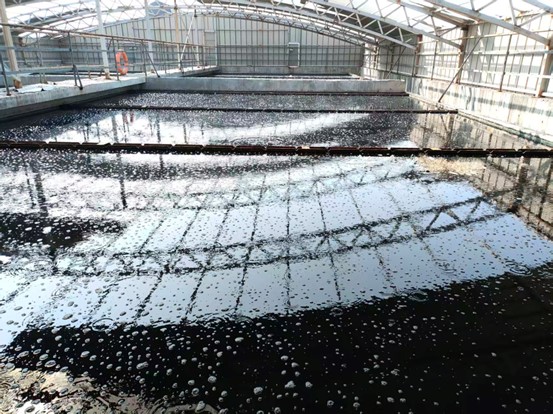
Wastewater from dough preparation, filling production, and workshop cleaning contains high levels of animal and vegetable fats, oils, grease, starch, and organic matter. It is prone to rapid spoilage and odor generation.
Significant Flow and Water Quality Fluctuations:
Production shifts create pronounced fluctuations in wastewater flow and pollutant loading, which can easily cause sludge bulking in conventional biological treatment systems.
Strict Discharge Compliance Requirements:
If high COD and ammonia nitrogen levels cannot be consistently reduced, the facility may face regulatory action and potential production disruptions.
Core Process and Equipment
For this high-volume wastewater with a high organic load, we configured a physicochemical and biological treatment process designed to support the client’s 3,000 t/day expansion requirements.
Process Flow:
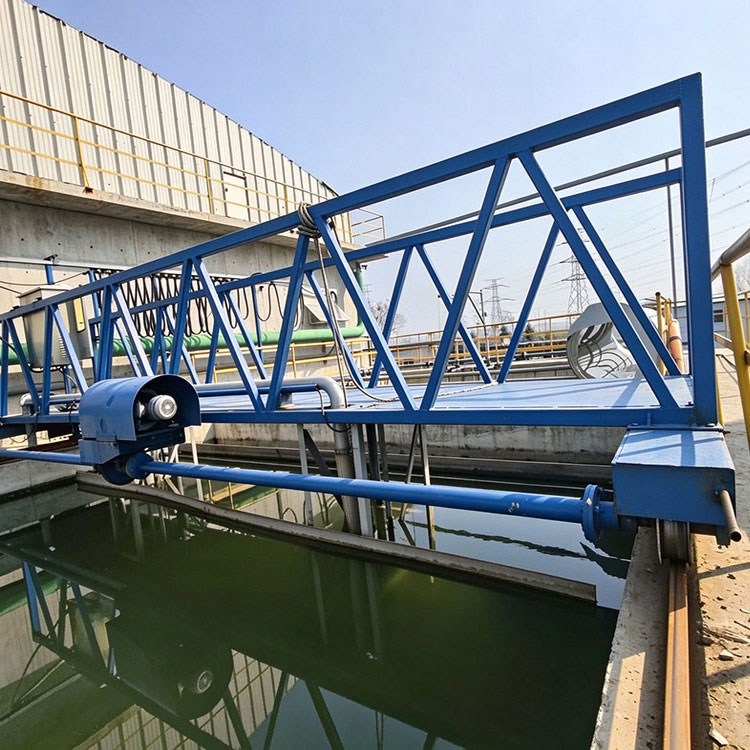
Equalization Tank → Dissolved Air Flotation (DAF) → Anaerobic Tank → Anoxic Tank → Aerobic Tank (A²/O Process) → Secondary Clarifier → Compliant Discharge
Core Equipment Minghua Use:
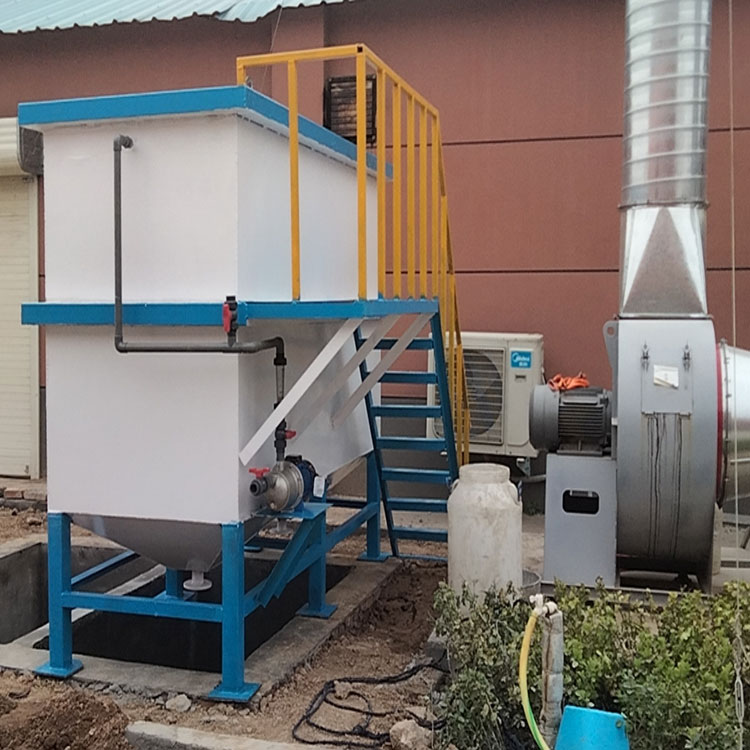
· Dissolved Air Flotation System (DAF)
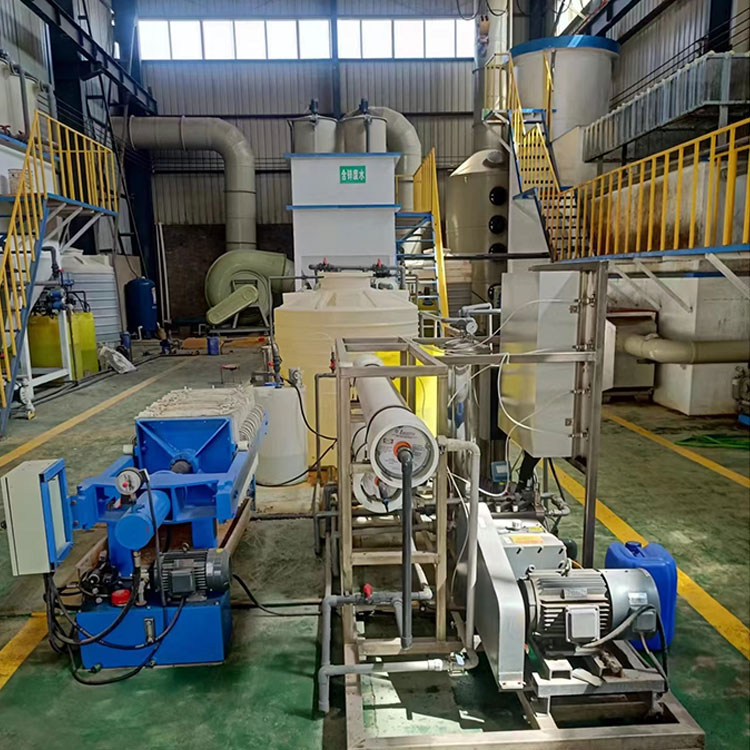
· Screw Press Sludge Dewatering Machine
· Automatic Chemical Dosing System
Operational Results and Project Benefits
The project has remained in stable operation for more than four years, showing reliable performance under hydraulic and organic shock-load conditions.
Thanks to its high level of automation, the 3,000 t/day treatment plant can typically be operated by two personnel for routine inspections and daily operation, helping reduce labor requirements.
Influent and Effluent Performance
| Parameters | Details |
| Types of Waste Water | Food Effluent |
| Treatment Capacity | 3000m3/d |
| Technology | Physicochemical Treatment + Biological Treatment |
| Discharge Standard | Integrated Wastewater Discharge Standard (GB 8978-1996) |
| Untreated/Inlet | COD≤1500 mg/L, Ammonia Nitrogen (NH₃-N) ≤100 mg/L, Total Phosphorus (TP)≤50 mg/L |
| Treated/Outlet | COD≤ 50 mg/L, Ammonia Nitrogen (NH₃-N) ≤5 mg/L, Total Phosphorus (TP)≤1 mg/L |
Note: Based on project operating records, the treated effluent has remained clear and stable and is designed to meet the applicable municipal sewer discharge requirements.


FAQ
How does the system handle sudden COD and flow fluctuations?
The upstream DAF system removes oil, grease, and suspended solids before biological treatment, reducing organic shock loads. A sufficiently sized equalization tank and a resilient biological process design help stabilize flow and water quality fluctuations. The plant has operated reliably for more than four years.
Does a 3,000 t/day treatment plant require a large Site Photos area?
No. The project uses a compact process layout and occupies approximately 6 mu, or 4,000 m². The design is intended to balance treatment efficiency, biological retention time, equipment access, and available plant space.
How many operators are required for daily operation?
With automated chemical dosing, online monitoring, and screw press sludge dewatering, the plant can typically be operated by two personnel for routine inspection, maintenance, and chemical replenishment under normal operating conditions.

 Henan Public Network Security Registration No. 41077102000244